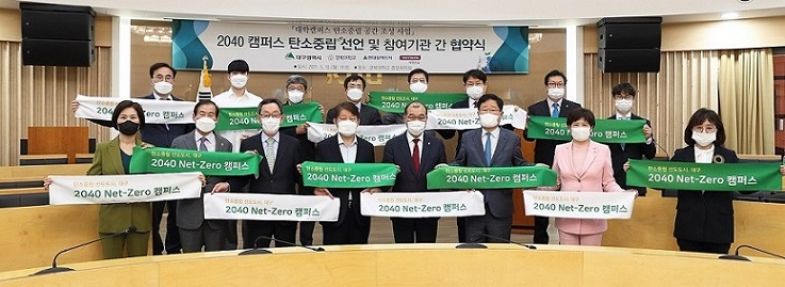
Kyungpook National University promotes ‘Carbon Neutral Campus Creation Project’
It is generally recognised that induction pre-arrival or pre-teaching is an extremely important step in setting students up for success. However, effective induction carries on into the initial stages of teaching and learning and can vary from student to student. A 2019 study from HEFCE revealed common issues to students during transition were:
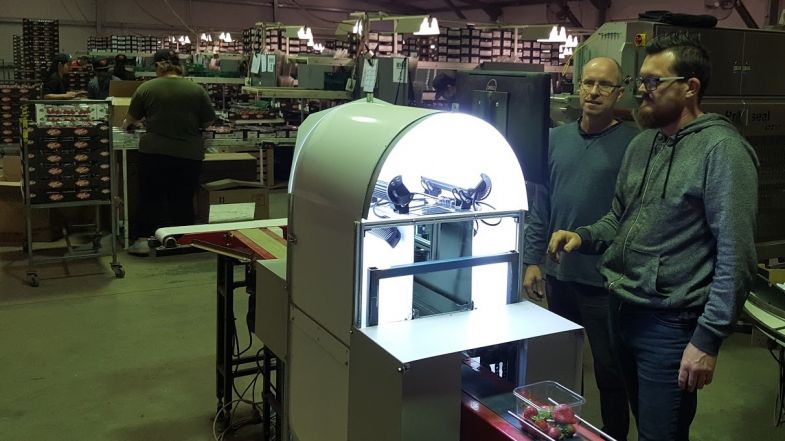
Researchers at Griffith University led by Professor Yongsheng Gao work on improving farm production and disease prevention through advancing and deploying new artificial intelligence technologies for primary industry.
Universities can remain open through remote learning and international partnerships

Sannam S4 works with education institutions to successfully explore, enter and expand into dynamic, high-growth markets throughout the world.
The pandemic could have signalled a disaster for higher education, but universities have sought new and innovative ways to increase international partnerships
China landed a spacecraft on Mars for the first time in May 2021 in the Tianwen-1 mission, becoming the second country in the world to land and operate a rover on the Red Planet. PolyU researchers played a vital role in the mission, in collaboration with the China Academy of Space Technology. Professor Wu Bo, from the Department of Land Surveying and Geo-Informatics, and his team identified safe landing sites using advanced topographic mapping and geomorphological analysis technologies.