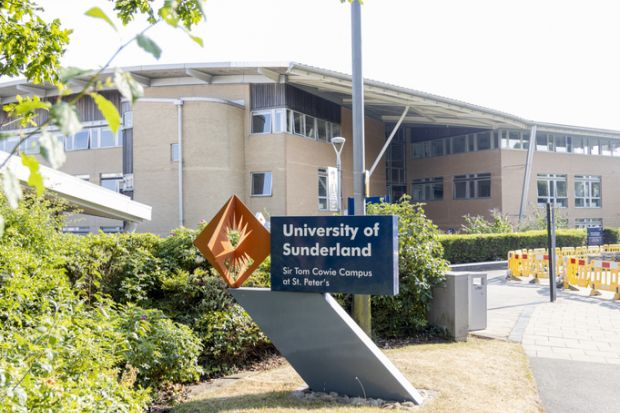
The University of Sunderland has become the latest institution to face opposition to plans to employ academics through a subsidiary firm in a bid to reduce its pension costs.
As of 1 August, the university will employ new academic tutors – a casual position that provides extra support for students – through a existing wholly owned separate company, with these staff ineligible for the Teachers’ Pension Scheme.
The University and College Union (UCU) has warned that this could create a “two-tier” workforce.
Sunderland has claimed that it needs to make savings on its pension contributions, the union said, but employing staff via a subsidiary firm is likely to save it only £36,000 during the next academic year.
Employer TPS contribution costs are set to fall from 28.68 per cent currently to 17.68 per cent from April 2027, but many universities have continued with plans to change employment arrangements regardless.
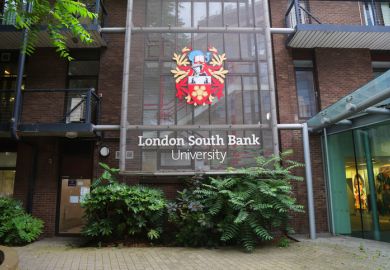
Subsidiary firms are being created at London South Bank University and the University of Chichester, among others. Sheffield Hallam University recently abandoned its plans to do the same.
Pension experts have warned that relying on subsidiary firms to curb pension costs has become “harder to justify” amid the fall in contribution rate, which the Universities and Colleges Employers Association estimates could save universities £900 million by the end of the decade.
The UCU estimated that Sunderland’s overall savings from reduced contributions to the TPS will be more than £3 million each year from April. Jo Grady, the union’s general secretary, said the university’s decision to establish a “sham company” to curb access to the TPS is a “moral stain on higher education”.
“It means the institution will be a pariah in the north-east and across the sector. Sunderland has a legal obligation to provide TPS, and Parliament has urged the government step in and stop rogue university employers from flouting their duties.
“Academic tutors are among the university’s lowest earners and are the most likely to have regular concerns about their job security. This change will do nothing to alter that and will instead create a two-tier workforce and exacerbate low morale.”
That employer contributions have fallen “so drastically” means that “this pension attack seems designed to cause uproar among the staff body”, claimed Grady.
“Our members have voted to defend the scheme for both current and future staff, and it is scandalous the university executive has ignored their voices.
“Students arriving in the new academic year won’t be happy to find out they’ll be taught by staff on worse terms and conditions, and by an organisation that is not the University of Sunderland. The university needs to stop riding roughshod over its legal obligations, do the right thing and reverse this decision.”
A Sunderland spokesperson said all employed through the subsidiary firm “have access to a competitive and flexible pension scheme”.
They stressed that existing academic tutors will remained employed directly by the university on their current terms and conditions.
“Academic tutors form part of the university's flexible workforce and play an important role in supporting student learning and success. The subsidiary company is wholly owned by the university, and colleagues employed through it will continue to work in support of the university's academic mission and student experience.
“Like universities across the UK, we continue to face significant financial pressures and have a responsibility to ensure that our resources are directed towards delivering high-quality education and support for students. The decision follows careful consideration of our long-term financial sustainability and workforce requirements.
“We remain committed to constructive engagement with our recognised trade unions and to supporting all colleagues who contribute to the university's success.”
Register to continue
Why register?
- Registration is free and only takes a moment
- Once registered, you can read 3 articles a month
- Sign up for our newsletter
Subscribe
Or subscribe for unlimited access to:
- Unlimited access to news, views, insights & reviews
- Digital editions
- Digital access to THE’s university and college rankings analysis
Already registered or a current subscriber?