Quick tweaks to the terms of English student loans are unlikely to satisfy disgruntled graduates and may conflict with wider plans to reform post-16 education, policy experts have said, as the government looked set to cave to pressure to revise the system.
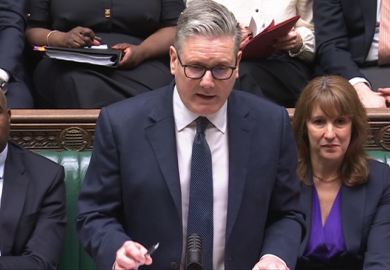
Prime minister Keir Starmer has committed to looking at ways to make England’s student loan system fairer after months of growing public anger triggered by chancellor Rachel Reeves’ decision to freeze the repayment threshold. The Treasury has now taken responsibility for coming up with a solution.
The most feasible options appear to be reducing interest rates on the loans, which could help prevent graduates’ debt levels from increasing despite making repayments, or increasing the repayment threshold, which would see Plan 2 loan holders take home more money each month.
“You could do either or you could do both, but it’s really, really expensive,” said Nick Hillman, director of the Higher Education Policy Institute and a former government adviser who helped devise the system when the loans were originally introduced.
Jonathan Simons, head of the education practice at Public First, predicted the treasury would cut interest rates – a policy change already proposed by Conservative leader Kemi Badenoch.
“That doesn’t cost them actual cash money…so long as they don’t cut to below the cost of government borrowing,” he said. “Unfreezing the threshold does cost money.”
But there is also scepticism that either of these choices will quiet disgruntled graduates, with little hard data available on what this group actually wants.
“Student loans have become a lightning rod for all the challenges faced by young graduates,” said Hillman.
“The difficulty of buying a house, the difficulty of settling down with your partner – all those challenges are real and actually they’re going to be just as big even if there are a few tweaks to student loan repayments,” he said.
“The underlying problem is the stagnant economy. I don’t think, even if you tweak the student loans until you’re blue in the face, it actually solves the wider challenges faced by young people.”
Andy Westwood, professor of public policy at the University of Manchester, said any short-term fix “will bring risks and might not work”. He suggested the government should instead look at “what will better support the broader system that they set out in the post-16 White Paper”.
The Post-16 Education and Skills White Paper, published by the DfE last year, called for a reformed system that aligns with the needs of the economy.
“Given their industrial strategy and missions – together with the White Paper – they might also take this opportunity to think about what might strengthen incentives for the courses, qualifications and subjects that they think are most important to future growth,” such as those driving the industrial strategy or supporting the NHS, Westwood, a former Labour adviser, said.
The government has already limited funding for maintenance grants and the incoming lifelong learning entitlement to courses it deems a priority.
But without the DfE leading the policy decisions, it is unclear whether this will be taken into consideration.
Student groups have also urged the government not to “waste time” with a review.
Chris Skidmore, a former Conservative universities minister, warned there are other issues related to student finance he believes will “continue to grow”.
These include loan write-offs from “missing” international and European Union students, “which will become a significant issue as we approach the next election”, and “the decline in the graduate premium”.
“We need to understand in more detail whether the loan system itself is proving counter-productive by keeping graduates in low paid work so they don’t have to pay back their degree,” he said.
“Either way, there is a cliff edge financially around the non-repayment of degrees that will probably mean now that a future government will be forced to only finance…courses that are determined to be of national importance.”
Register to continue
Why register?
- Registration is free and only takes a moment
- Once registered, you can read 3 articles a month
- Sign up for our newsletter
Subscribe
Or subscribe for unlimited access to:
- Unlimited access to news, views, insights & reviews
- Digital editions
- Digital access to THE’s university and college rankings analysis
Already registered or a current subscriber?