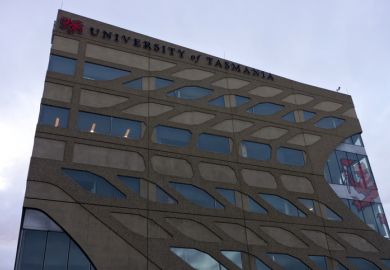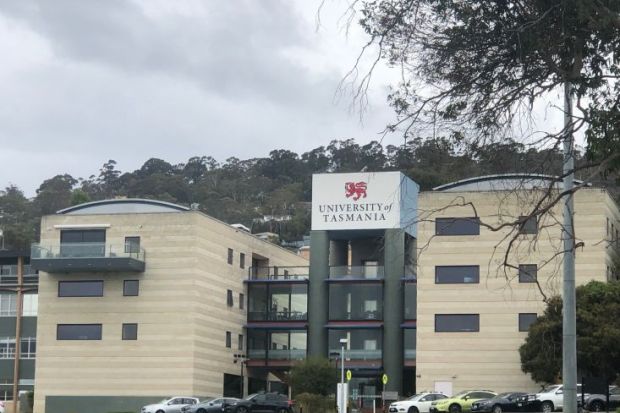
The University of Tasmania’s long-planned land sale will go ahead in abbreviated form, after parliamentarians approved a compromise version of the controversial proposal to swap the decades-old riverside campus for upgraded facilities in central Hobart.
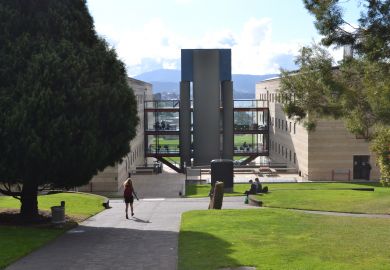
Under the bill, finally approved by state parliament on 16 April, the university will sell off about one-third of the dilapidated upper section of its main campus and use the proceeds to help fund a new “STEM precinct”, while handing over most of the remaining two-thirds to the Aboriginal community.
The plans bear little resemblance to the original 2019 proposal to sell or lease much of the campus, in the upmarket suburb of Sandy Bay, and shift most teaching and research to refurbished buildings scattered across the city centre.
Administrators said this was necessary to boost campus cohesion, ease travel for students and avoid the unaffordable cost of upgrading facilities at Sandy Bay, which the university has occupied since the 1950s. But the proposal was watered down amid staunch opposition from residents and politicians.
Vice-chancellor Rufus Black said the bill’s passage was “welcome news because it gets us a step closer to securing the investment in science, technology, engineering and mathematics facilities that Tasmania needs. Our mission as a university is to make a difference for and from Tasmania through education and research. Making sure we have the facilities and infrastructure [is essential] to deliver on that mission.”
Pro vice-chancellor Nicholas Farrelly also welcomed the passage of the legislation, after an earlier version of the bill stalled in the Tasmanian parliament’s upper house early last year. “We now have a way to realise the value of some of our land and make a significant contribution to the critical STEM at Sandy Bay project.”
Black said land sales would not be able to fund the project by themselves. “We look forward to working collaboratively with all levels of government to navigate what remains a challenging path,” he said. The project will cost A$500 million (£265 million) and the land is valued at A$100 million, according to the ABC.
Under the bill, two parcels of land in the upper house will be rezoned for sale or long-term lease. Approval of both houses of parliament will be required before the university can sell off any other part of its campus.
Independent MP Meg Webb, who unsuccessfully proposed multiple amendments to the bill, said it left 57 per cent of the campus vulnerable to future sale. Education minister Jo Palmer told parliament that both the university and the government intended for most of that land, mainly bushland, to be returned to the Aboriginal community.
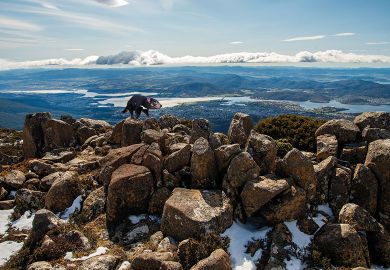
The campus backs on to the lower slopes of Kunanyi, or Mount Wellington, which has immense spiritual significance to Indigenous people.
Register to continue
Why register?
- Registration is free and only takes a moment
- Once registered, you can read 3 articles a month
- Sign up for our newsletter
Subscribe
Or subscribe for unlimited access to:
- Unlimited access to news, views, insights & reviews
- Digital editions
- Digital access to THE’s university and college rankings analysis
Already registered or a current subscriber?