A practical guide to applying to university in Taiwan
Taiwan is not an obvious study abroad choice but with more English-taught programmes being introduced, now is a good time to explore this option

Assem Amantayeva


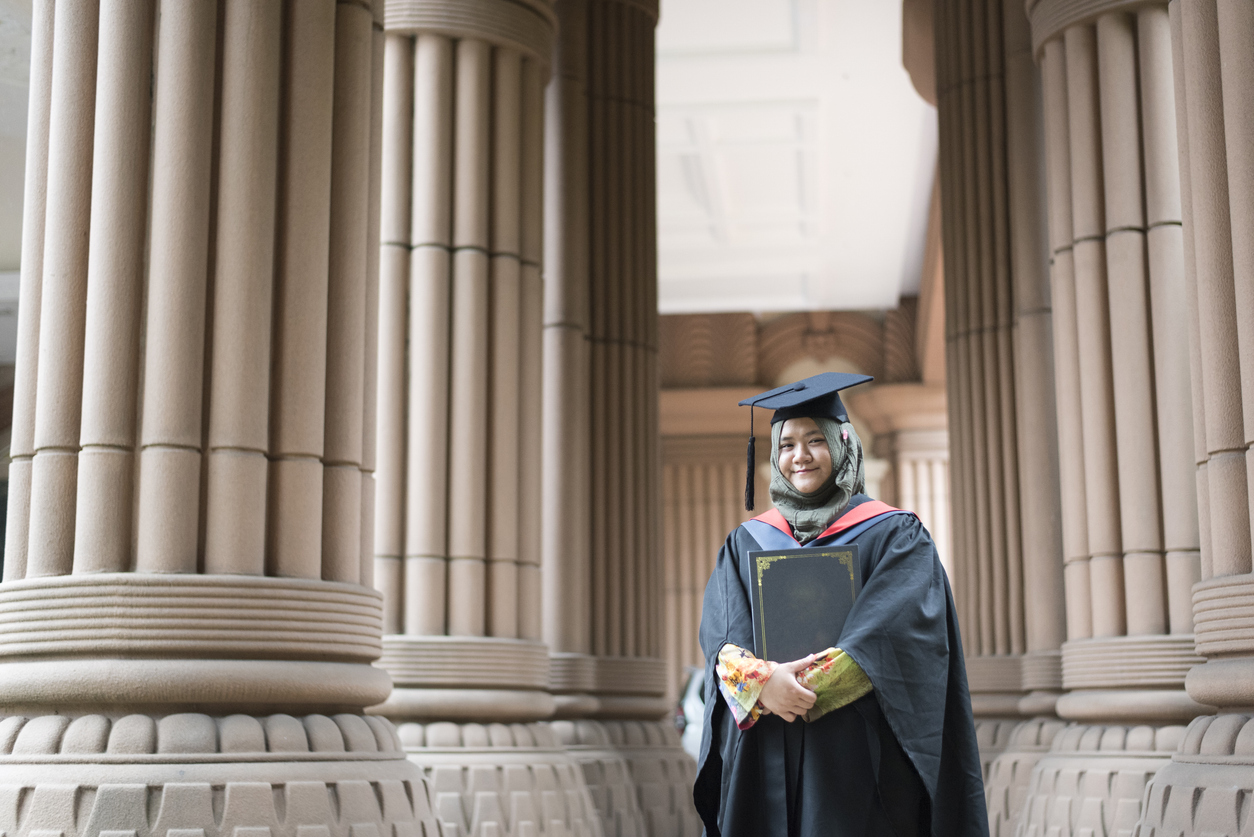
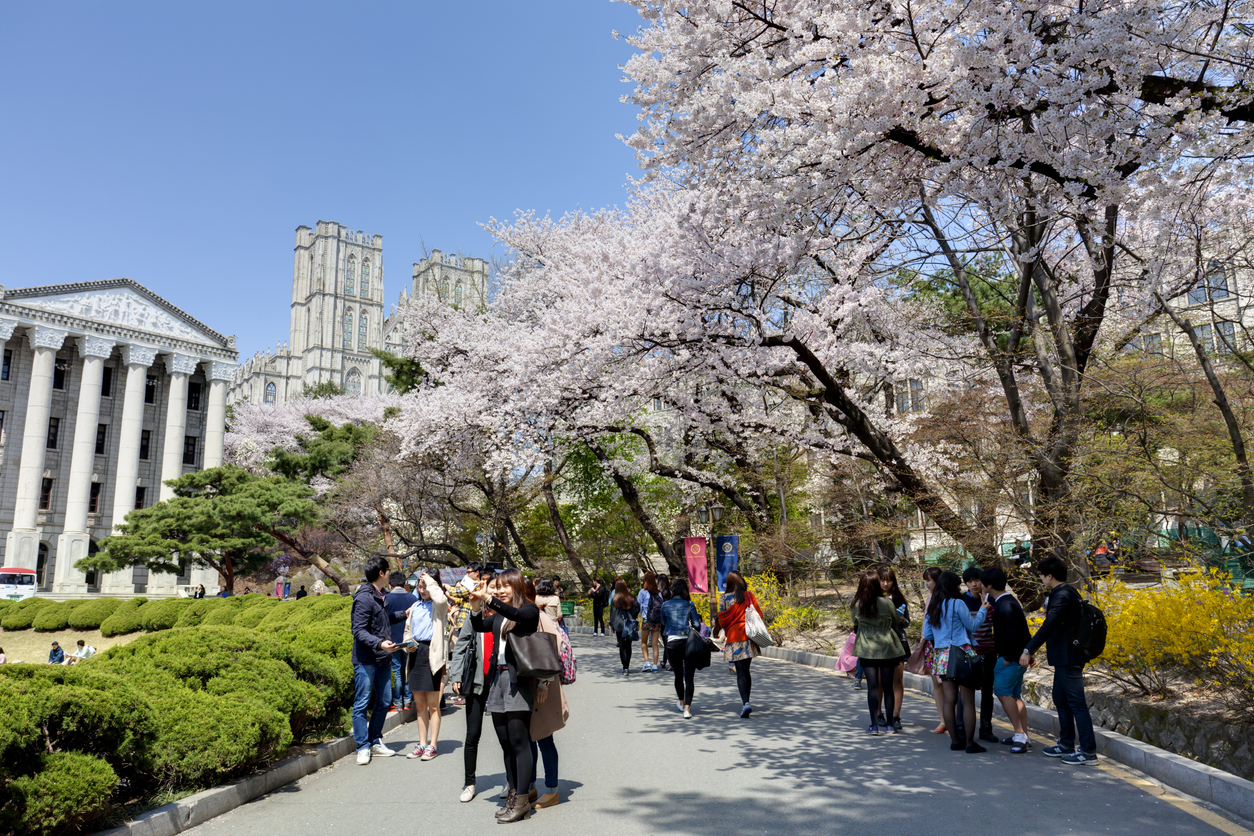



Taiwan, a rising star in international education, offers affordable, high-quality programmes at universities such as National Taiwan University (NTU) and National Cheng Kung University.
With more than 120,000 international students studying there annually and tuition costs ranging from NT$50,000 to NT$100,000 (US$1,500 to US$3,000) per semester, it’s an excellent choice for students seeking non-traditional study destinations.
Step 1: Applying to universities
Taiwan’s Ministry of Education oversees admissions under the “Regulations Regarding International Students Undertaking Studies in Taiwan”.
The first step for students is to choose their programme.
Eligible applicants must be foreign nationals (not from the Republic of China), must not have studied in Taiwan previously and must not be long-term residents of mainland China, Hong Kong or Macau.
Requirements for most programmes include a high school diploma, bachelor’s degree, master’s or PhD, with a minimum GPA of 3.0/4.0.
English-taught programmes require TOEFL (80+ iBT) or IELTS (6.0+); some ask for TOCFL if programmes are taught in Chinese.
Applications must be made directly to universities, with fall intake (September) deadlines between October and March and spring intake (February) between June and October.
Application process
To submit their applications students can use online portals such as NTU’s International Degree Student Application System. They will need to submit:
- Online form (signed by a guardian if under 20) with a NT$1,500 to NT$2,000 fee (US$50 to US$65).
- Passport copy, academic transcripts/diplomas (notarised and embassy-authenticated), language test scores.
- Statement of purpose (500 to 1,000 words), two recommendation letters, financial proof (US$4,000+), health certificate (including TB screening conducted in the past three months) and resume.
Processing takes one to three months and students may be invited for interviews. From my experience it’s good to start up to six months ahead of time, especially for students from designated countries needing a Taiwan guarantor.
Step 2: Visa guidance
- Visitor visa (lasts 180 days): for short programmes. Apply via visawebapp.boca.gov.tw with passport, photos, admission letter, financial proof and health certificate. Fee: US$50 to US$185. It can take five to eight days to process. It can be extended at the National Immigration Agency with proof of enrolment.
- Resident visa (lasts more than 180 days): for degree programmes. Within 15 days of arrival students must apply for an Alien Resident Certificate (NT$1,000) and a re-entry permit if travelling. Conversion from visitor visa takes eight days at the Bureau of Consular Affairs.
Tip: Book appointments at your nearest Taipei Economic and Cultural Office online and prepare for biometrics.
Step 3: Funding opportunities
Taiwan’s cost of living (~US$800/month) is manageable for many students but scholarships are also available. They must be applied for separately from university applications. Here are some scholarships students can apply for:
- Taiwan Scholarship Programme: Covers tuition (up to NT$40,000 per semester) and stipends (NT$15,000 to NT$20,000 per month) for 1,000+ students.
- Huayu Enrichment Scholarship: NT$25,000 per month for two to 12 months of Mandarin study.
- TaiwanICDF Scholarship: Fully funded for partner universities such as National Taiwan Normal University and National Taipei University. It is aimed at students from developing countries.
- University scholarships: Many universities in Taiwan offer scholarships for students. For example, NTU offers full tuition waivers and NT$8,000 per month for top applicants.