Studying in Macao: what your students need to know
Macao has a unique Portuguese-Chinese history – and is a strong choice for international students because of its international community


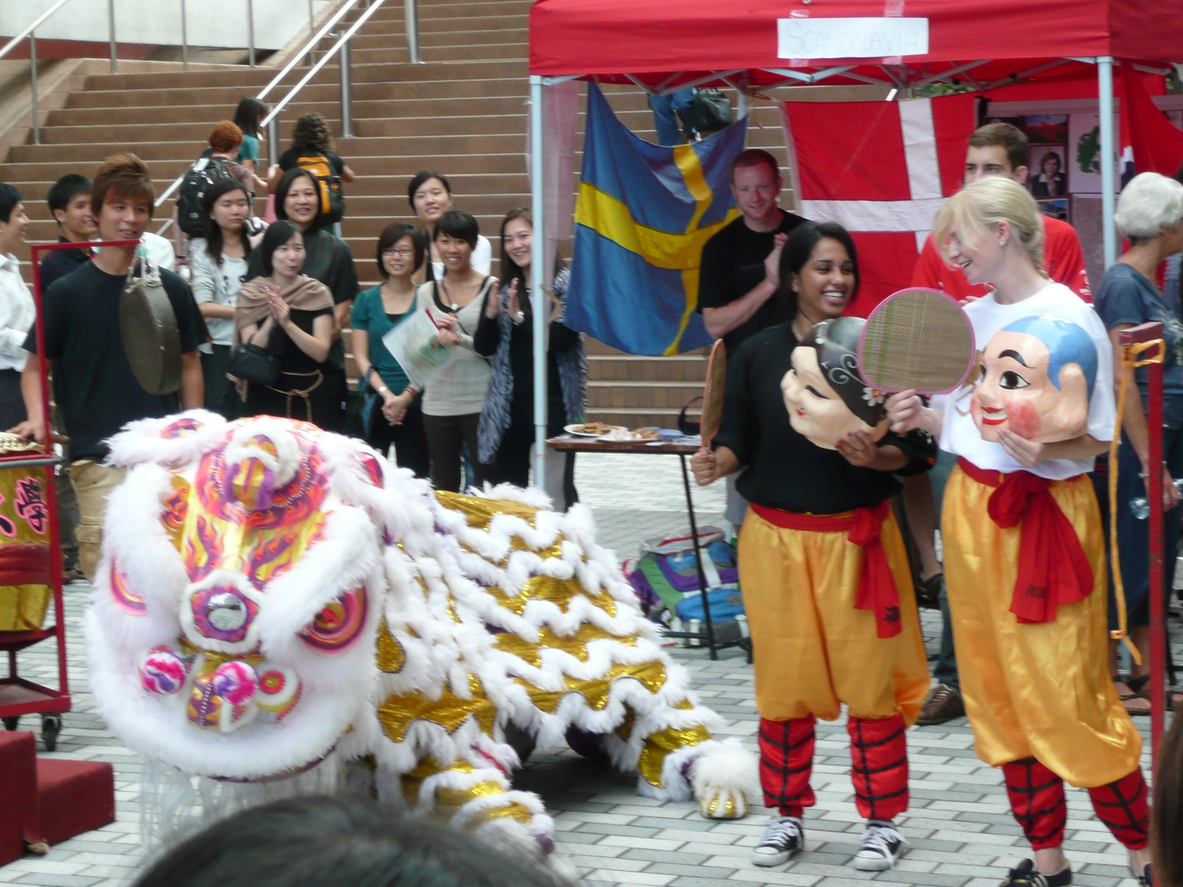
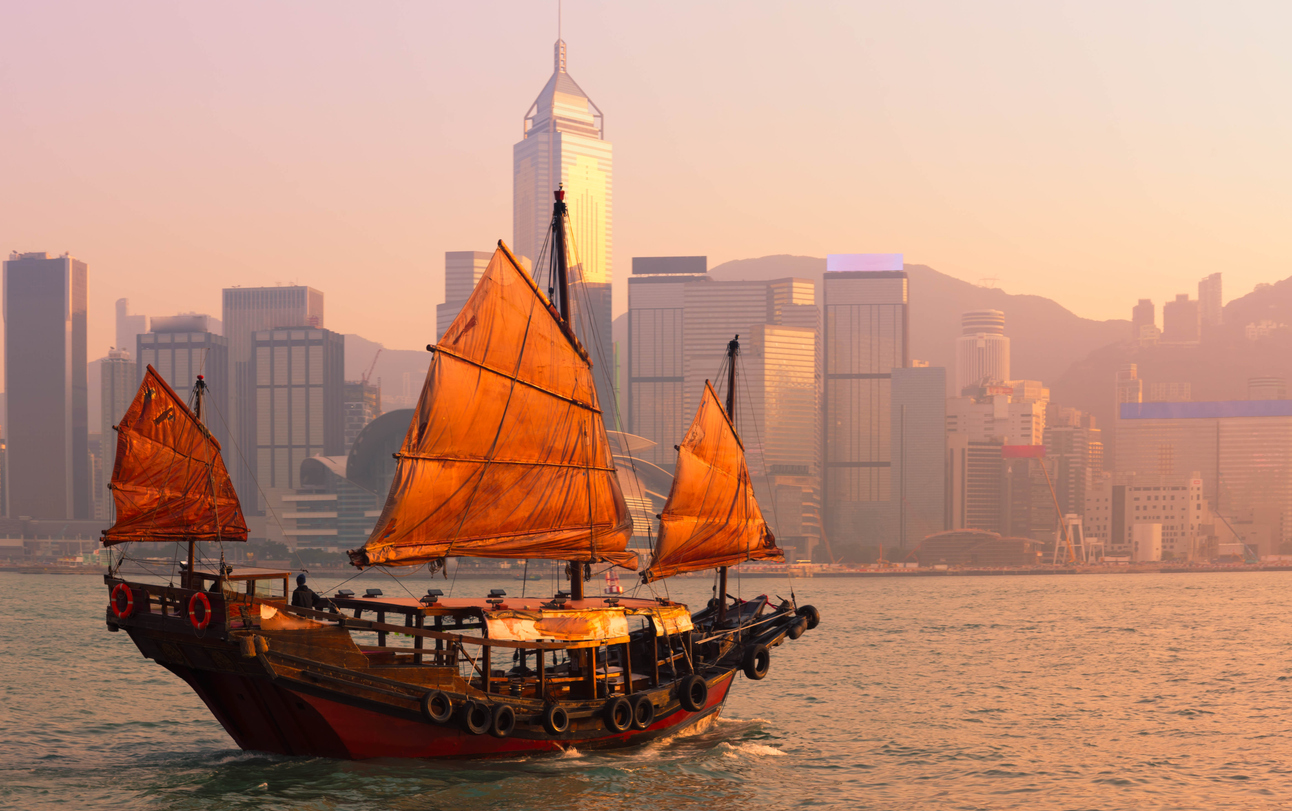

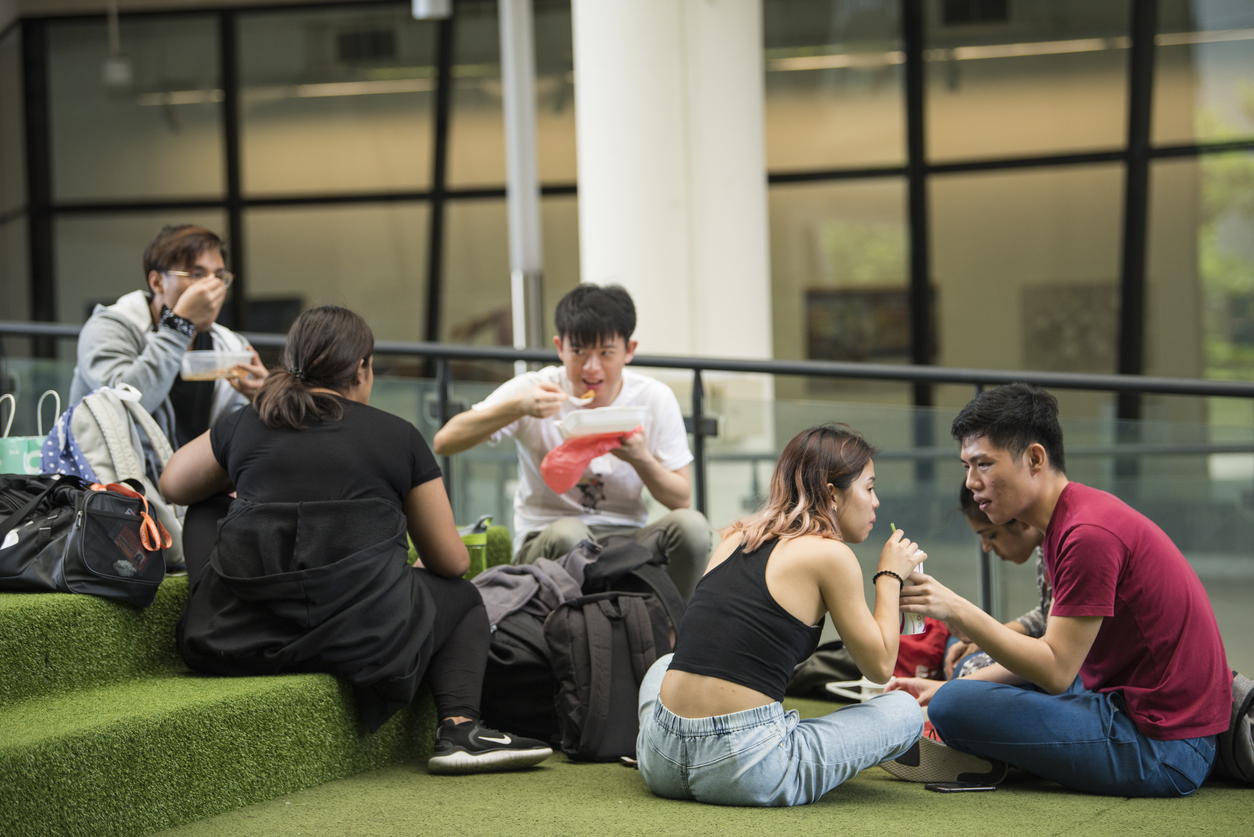
Macao, officially known as the Macao Special Administrative Region of the People’s Republic of China, is a vibrant region with a rich cultural heritage. Even today, it has a unique blend of Portuguese and Chinese influences.
Located on the shores of the South China Sea, on a peninsula opposite Hong Kong, Macao has a multicultural setting with a broad and international perspective for college students and visitors.
Under the Chinese policy of “one country, two systems”, Macao’s political status as a special administrative region ensures a degree of autonomy in educational and cultural matters. In addition to being one of the wealthiest territories in the world, thanks to tourism and gaming, the city has an academic atmosphere with a number of universities.
Macao offers students an enriching cultural experience, with historic landmarks, vibrant festivals and a blend of Eastern and Western traditions.
Which universities are in Macao?
Macao is home to a number of universities that offer quality education and research opportunities. These include:
- University of Macau
- Macau Polytechnic University
- Macau University of Science and Technology
- Macau University of Tourism
- City University of Macau
- University of Saint Joseph
Macao’s universities offer courses in English, Chinese (Cantonese and Mandarin) and Portuguese. These institutions have fostered global connections, attracting students and researchers from around the world. Universities in Macao have a high percentage of international students, according to the Times Higher Education World University Rankings.
How to apply to university in Macao
Most Macanese universities have similar entry requirements. In general, undergraduate programmes require a high school diploma or equivalent. Universities may require copies of certificates and academic transcripts. Proof of identity is mandatory as well, so your students should have a valid passport before starting the application process. When submitting the required documents, candidates need to pay any application fees.
Candidates must also take admission exams, mostly in mathematics and languages (English, Chinese or Portuguese). Specific subject requirements may also apply to certain courses. For some universities, direct admission may be available if the candidate holds public examination results, such as:
- GCE A level or international A level
- SAT or ACT
- IB diploma
- Canadian secondary school qualifications
- Exames nacionais do ensino secundário, Portugal
- Exame nacional do ensino médio, Brazil
- Mathayom suksa 6, Thailand
- SMA ijazah, Indonesia
- UEC or STPM, Malaysia
- Hong Kong DSE
- Taiwan general scholastic ability test
To prove English-language proficiency, tests such as TOEFL, IELTS or IGCSE are accepted. For programmes in Chinese or Portuguese, language proficiency exams such as HSK or DAPLE/CELPE-Bras are recognised.
Keep in mind that students from mainland China go through a specific admission process, which takes into consideration their gaokao (college entrance examination) results.
Candidates should submit their applications directly through each university’s website – there is no centralised application platform. Students applying to the University of Macau, Macau Polytechnic University, Macau University of Tourism or Macau University of Science and Technology may opt to take the joint admission examination.
Application deadlines typically run from December to March for the autumn semester intake. Admission exams generally take place in March.
How to apply for a visa to study in Macao
Once accepted by a Macanese university, students must apply for the student special entry permit (special authorisation to stay for students), issued by the Macao special administrative region government. An admission letter from the educational institution and proof of tuition payment may be required. Students should also have proof of financial support, housing documentation and health insurance.
Scholarship opportunities
Just like the cost of living, tuition fees in Macao are generally lower than in Hong Kong but a bit higher than in mainland China. A range of scholarships is offered by each university, and the local government also provides exceptional international students wishing to study in Macao with funding opportunities.