Applying to university in Estonia: a guide
Known as e-Estonia for its emphasis on digitisation, the Baltic nation rewards innovation and academic rigour – and waives tuition fees for the highest-performing applicants
Gandjayev Murod Atanazarovich

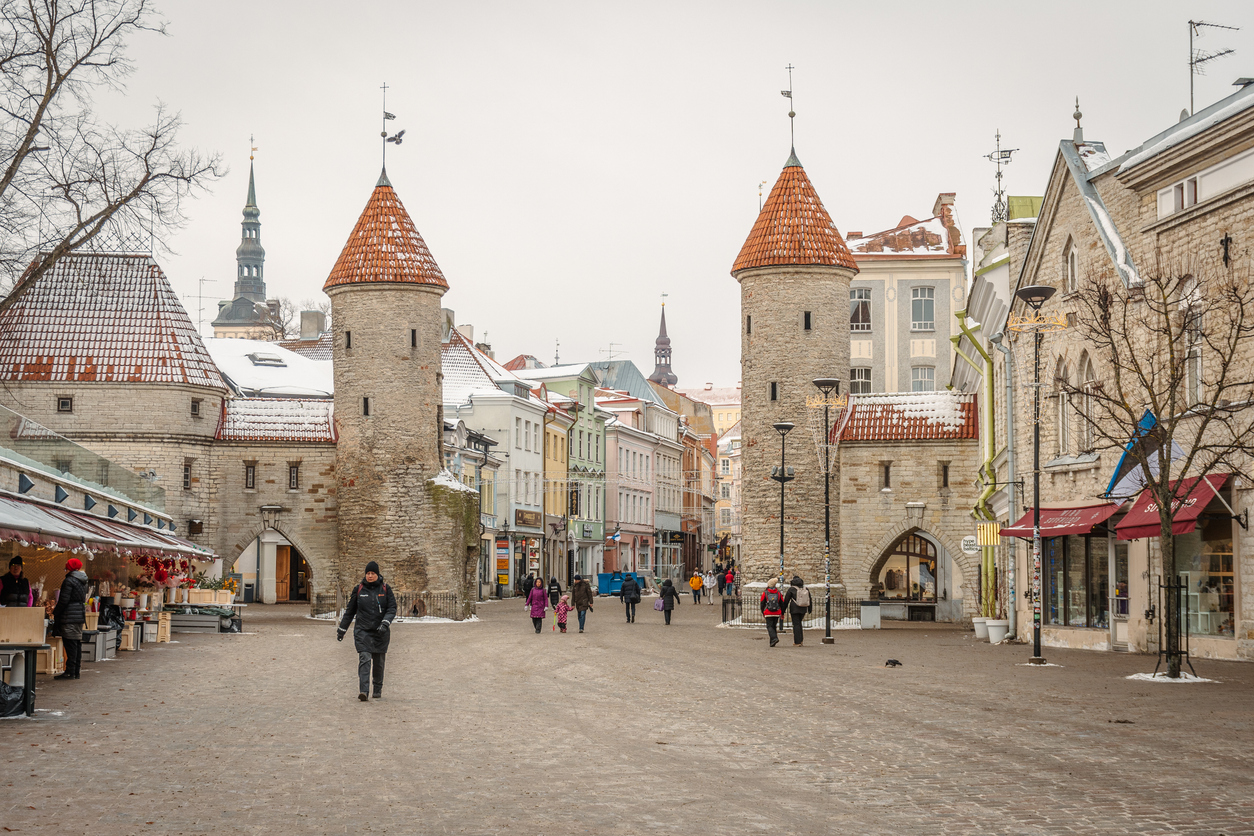


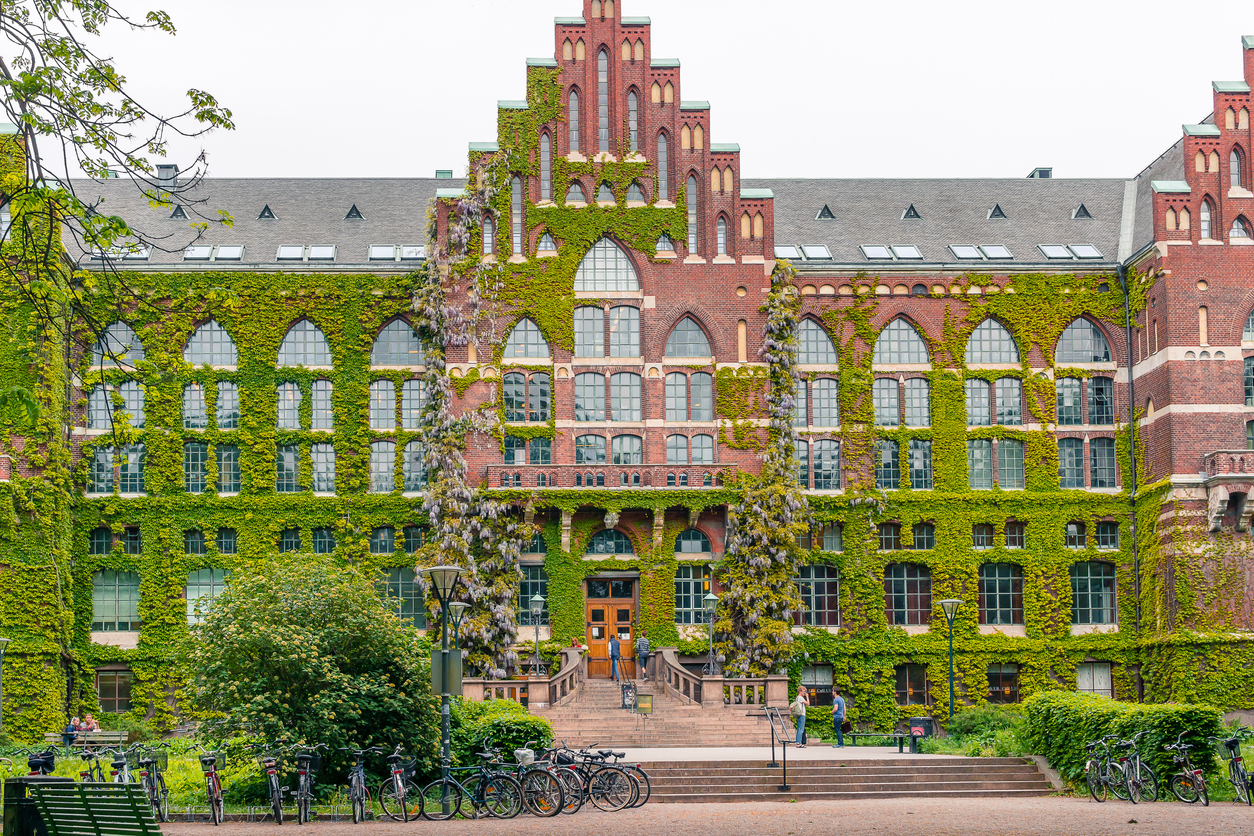


While traditional study-abroad powerhouses such as the UK and the US often dominate the conversation, Estonia has quietly emerged as a sophisticated alternative for the global student.
Known as “e-Estonia”, this Baltic nation offers a unique blend of medieval charm and hyper-modern digital infrastructure. For an international applicant, navigating the Estonian system is a journey through a highly efficient, transparent and meritocratic landscape that rewards innovation and academic rigour.
Studying in Estonia: digital efficiency
Estonia’s application process is rooted in its national identity: efficiency through digitisation. Unlike many countries that require separate portals for every institution, Estonia uses a centralised platform called DreamApply. This allows a student to create a single profile and apply to multiple universities – such as the centuries-old University of Tartu or the tech-heavy TalTech – simultaneously.
The process typically begins in early February. Beyond the standard transcripts and proof of previous education, the Estonian system places disproportionate weight on the motivation letter. Admissions committees do not look for generic praise; they seek candidates who understand Estonia’s specific niche in the global market, particularly in fields such as cybersecurity, digital governance and semiotics.
For non-native speakers, a verified English proficiency (IELTS or TOEFL) is mandatory, although the digital nature of the country means that many administrative steps, including the initial document verification, are handled with surprising speed.
Contributors to the economy
Once students have received an admissions letter offering them a place, the focus shifts to the legalities of residency. For non-European Union students, this is a two-step process. First, applicants must secure a long-stay (D) visa through an Estonian embassy to facilitate entry. However, the true cornerstone of a student’s stay is the temporary residence permit for study (TRP).
The Estonian government is strict on financial self-sufficiency. Applicants must provide evidence of a subsistence fund, currently calculated at approximately €800 (£700) per month. This is higher than in some neighbouring countries but reflects Estonia’s rising standard of living.
A unique advantage of the Estonian TRP is the flexibility it affords: unlike many traditional destinations that cap student work at 20 hours per week, Estonia allows international students to work unlimited hours, provided they maintain their academic standing. This policy treats students as adult contributors to the economy rather than mere temporary visitors.
Students as intellectual capital
Estonia’s approach to funding is one of its most attractive features. While many countries view international students as a source of revenue, Estonia often views them as intellectual capital. This is evidenced by the prevalence of tuition waivers. In many prestigious programmes, the top-ranked applicants – regardless of nationality – are granted “free seats”, meaning that their tuition is entirely covered by the state.
Beyond waivers, the Dora Plus programme and various Ministry of Education scholarships offer monthly stipends ranging from €350 to €660. These are awarded based on academic excellence, reinforcing the idea that in Estonia, your intellectual merit is more important than your financial background.
Estonia offers a streamlined application process, a welcoming (yet disciplined) visa policy and significant merit-based funding for students.
Choosing Estonia is a departure from the well-trodden path of international education. It requires an applicant who is comfortable with technology, values a quiet but intense academic culture and is ready to join a society that functions almost entirely in the cloud.