Laurie Taylor – 28 September 2017
The official weekly newsletter of the University of Poppleton. Finem respice!

The official weekly newsletter of the University of Poppleton. Finem respice!

Despite their scientific achievements, women account for only 5% of Nobel prize-winners. It diminishes them – and the award, says John Gill
We are writing to complain about the recent publication of the article “The case for colonialism” by Bruce Gilley in the journal Third World Quarterly (“Pro-colonialism paper outcry prompts author to...
The response suggested by Sir Anton Muscatelli, the chair of the Russell Group, to the criticism buffeting UK universities is both dispiriting and lacking in boldness (“Ignore the cacophony of...
Are we asking the right question about vice-chancellors’ pay (“Because they’re worth it?”, Features, 14 September)? Is it them, or is the prime minister getting enough? The population of Canada’s...
On the matter of vice-chancellors’ pay, and with apologies to Messrs Gilbert and Sullivan: I am the model of a university vice-chancellorOn any given question I’m a very able answererI’ve headed...
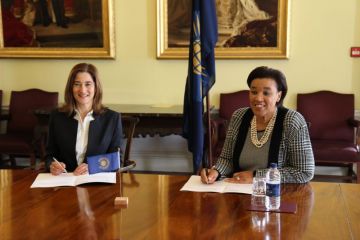
Association of Commonwealth Universities and Commonwealth Secretariat strike agreement

Refugee and asylum seekers pitch tents on campus in northeastern France

Police complaint is filed against Delhi University lecturer after he posted comment on Facebook

Move comes after country’s top anti-corruption chief turns attention to Italy’s universities
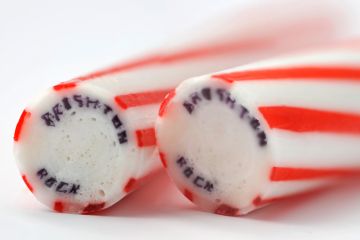
Pam Tatlow finds a lively political conference buoyed by talk of abolishing tuition fees

Staff and students at the National Autonomous University of Mexico return to studies