Postdoc parley
Twitter channel for postdocs aims to break into North America. Elizabeth Gibney reports

Twitter channel for postdocs aims to break into North America. Elizabeth Gibney reports

But more academics are able to teach in the tongue, data show
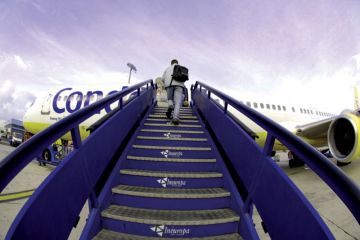
Graeme Wilkinson tells David Matthews he has no regrets about taking a ‘curious opportunity’ to leave Wales and lead a Malaysian university
AustraliaDeregulate sector, urge businessesUniversity tuition fees would be deregulated, bureaucracy reduced and the Australian federal government in more control of vocational training if the pre-...
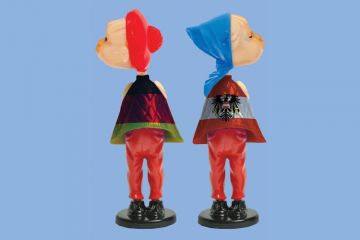
Owing to a common language and geographical proximity, but also because of low tuition fees and comparatively low entrance requirements, Austria’s universities are extremely popular with German...

Drive to raise national profile yields opportunities for English speakers. Donna Bowater reports

Female academics aim to boost women’s interest in computer science. Emily Chan reports
Economic and Social Research CouncilTransformative Research Call: ‘Transforming’ Social ScienceMaximum limit of £250,000; will run for 18 months.Award winner: Laura CramInstitution: University of...
Weekly transmissions from the blogosphere
University of MelbourneKaren Day“All Australians abroad speak of ‘going home’: this is how it feels to me,” said Karen Day, who has been appointed dean of science at the University of Melbourne, her...
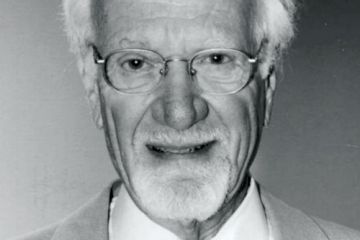
“A legendary figure at UCLA” who proved a pioneer in geriatric medicine has died.David Solomon was born on 7 March 1923 and brought up in Brookline, Massachusetts. After graduating from Brown...
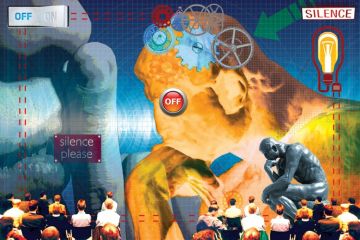
Robert Zaretsky discusses whether sustained and sustaining pauses for thought give space for reflection amid the ellipses

Sian Lawson offers academics advice on how to align student-scholar expectations in the social media age

If work is your passion, argues Joanna Williams, greater well-being doesn’t necessarily stem from spending more time at home
Why do US universities take sport so seriously?, asks Christopher Bigsby