
Unveiling Macao’s pivotal role in artistic exchange between China and Europe during 17th and 18th centuries
Beyond its historical significance as a trading port, Macao, a city located on the southern coast of China, played a surprisingly central role in shaping the artistic landscape of 18th-century Europe. A researcher at the University of Macau (UM) has investigated the complex cultural exchange between China and Europe during the 17th and 18th centuries. Challenging the conventional view of this exchange as mere imitation, the study reveals how Macao fostered a dynamic interplay of artistic influences between East and West and acted as a crucial conduit for artistic ideas flowing in both directions. Through an analysis of historical records and artistic works, the research has traced the impact of Western art on Chinese literati painting and, notably, the profound influence of Chinese art and aesthetics on the Rococo style in France.

Sponsored by
Sponsored by
Beyond its historical significance as a trading port, Macao, a city located on the southern coast of China, played a surprisingly central role in shaping the artistic landscape of 18th-century Europe. A researcher at the University of Macau (UM) has investigated the complex cultural exchange between China and Europe during the 17th and 18th centuries. Challenging the conventional view of this exchange as mere imitation, the study reveals how Macao fostered a dynamic interplay of artistic influences between East and West and acted as a crucial conduit for artistic ideas flowing in both directions. Through an analysis of historical records and artistic works, the research has traced the impact of Western art on Chinese literati painting and, notably, the profound influence of Chinese art and aesthetics on the Rococo style in France.
The research project is led by Jun Li, chair professor and head of the Department of Arts and Design in the UM Faculty of Arts and Humanities. It is divided into three phases. The first phase examines the influence of Western art on Chinese literati painting, with a particular focus on Macao. It features a case study of Wu Li, a prominent Chinese ink painter and Jesuit missionary during the early Qing dynasty. The study explores Wu’s connections with Matteo Ricci and his painting, Rustic Hut and Level Grove. By tracing Wu’s involvement with Christianity in Macao and his subsequent missionary work in the Jiangnan region, and by examining the remains of religious buildings from that period, the study reveals his secret connections with Western culture centred around St. Paul’s College in Macao.
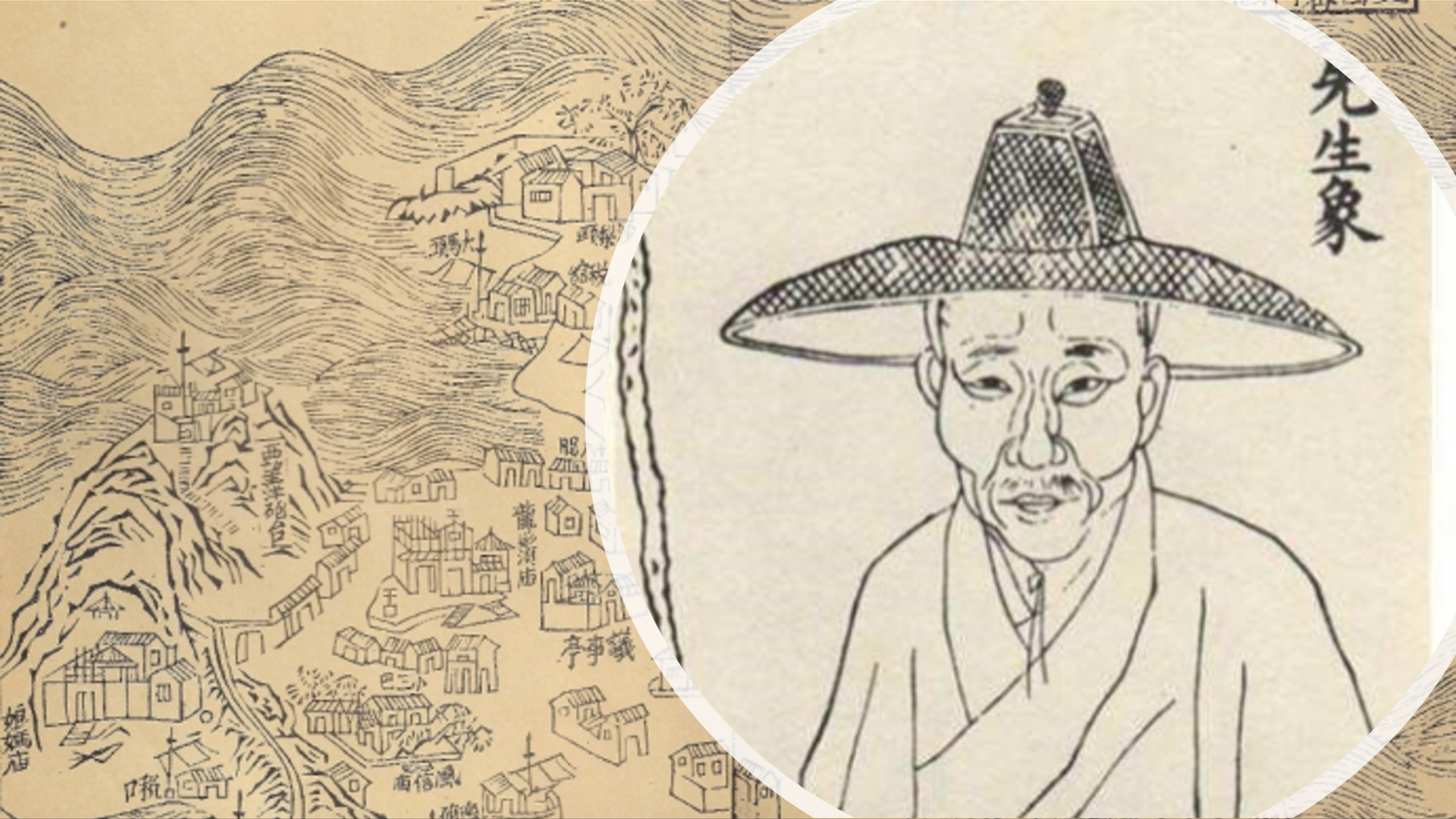
Wu Li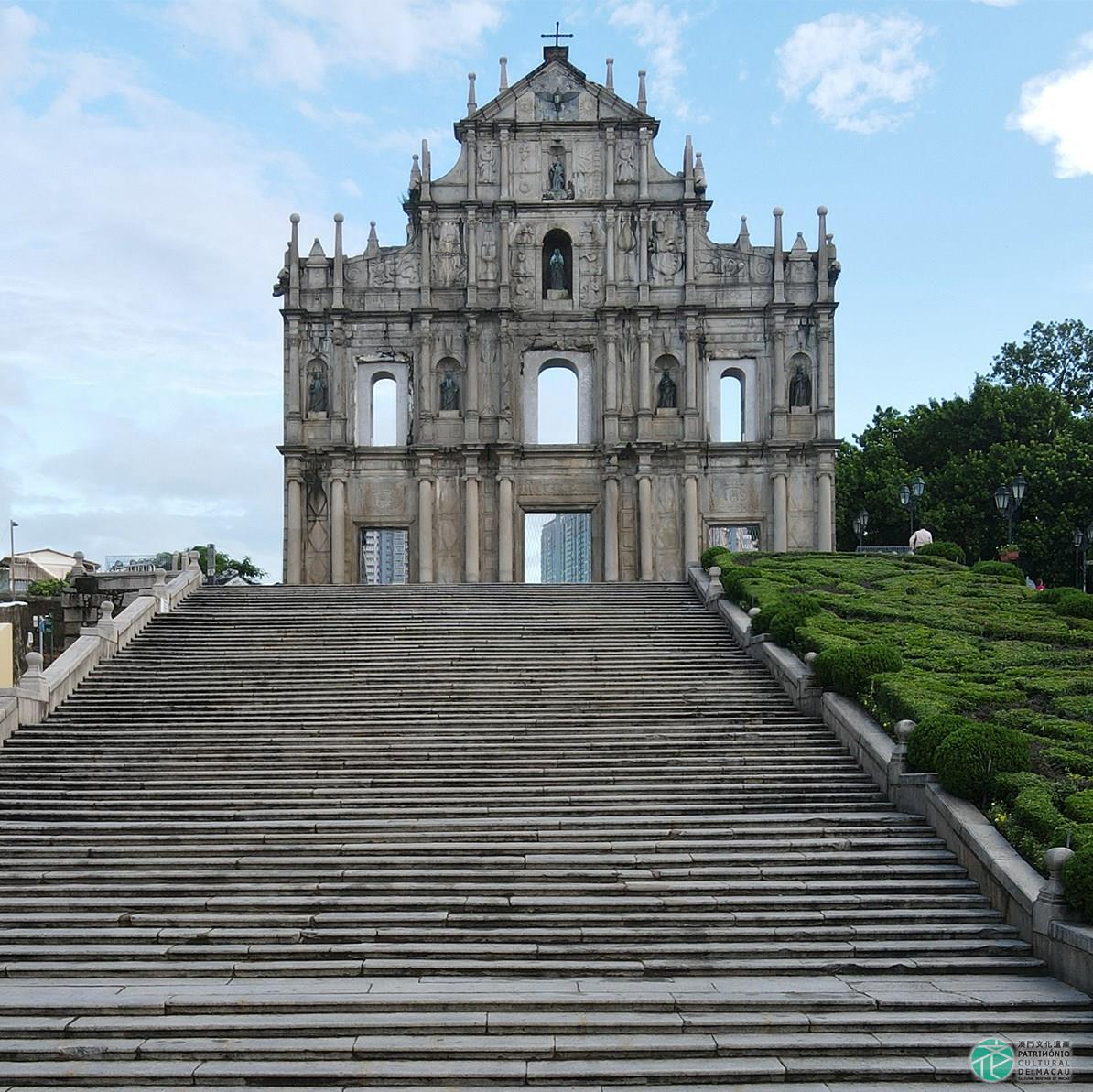
Wu Li’s secret connections with Western culture centred around St. Paul’s College in Macao
The second phase of the research explores the reverse influence—how Chinese art and aesthetics disseminated to the West via Macao and Portugal influenced Rococo art in France. Focusing on artists such as François Boucher, Jean Siméon Chardin, and Jean-Honoré Fragonard, the study examines how Chinese imagery and tastes entered French royal and noble courts and were transformed into prominent female figures in these artists’ European genre paintings, especially history paintings. This had a significant aesthetic impact on Western Art, challenging the existing academic perspective that views Chinoiserie merely as a component of the Rococo style—a European fantasy limited to the decorative arts. The research seeks to determine what Boucher truly knew about Chinese art, whether he attempted to paint ‘in the true Chinese way’, and the relationship between Rococo and Chinoiserie.
Building on the findings of the first two phases, the third phase explores how Chinese-style artworks sparked a revolution in sensory culture in Europe, which led to the emergence of aesthetics as a distinct discipline within the humanities centred on taste at the philosophical level. At the theoretical level, the study revisits Pierre Bourdieu’s proposition, ‘critique sociale du jugement’. By re-examining the role of social factors in shaping taste within Bourdieu’s proposition, the research points out that experiential factors derived from sensory culture are crucial to understanding the interplay of taste among contemporaries. In addition to analysing the aesthetic theories of David Hume, Edmund Burke, William Gilpin, and Uvedale Price regarding taste and the picturesque, the research delves into the personal aesthetic experiences of these philosophers, and the ways in which art was appreciated and consumed during that period. Ultimately, the study explores the relationship between aesthetic experiences inspired by Chinese-style art and the refined tastes of 18th century-European society, as well as the development of aesthetics as a theoretical discourse.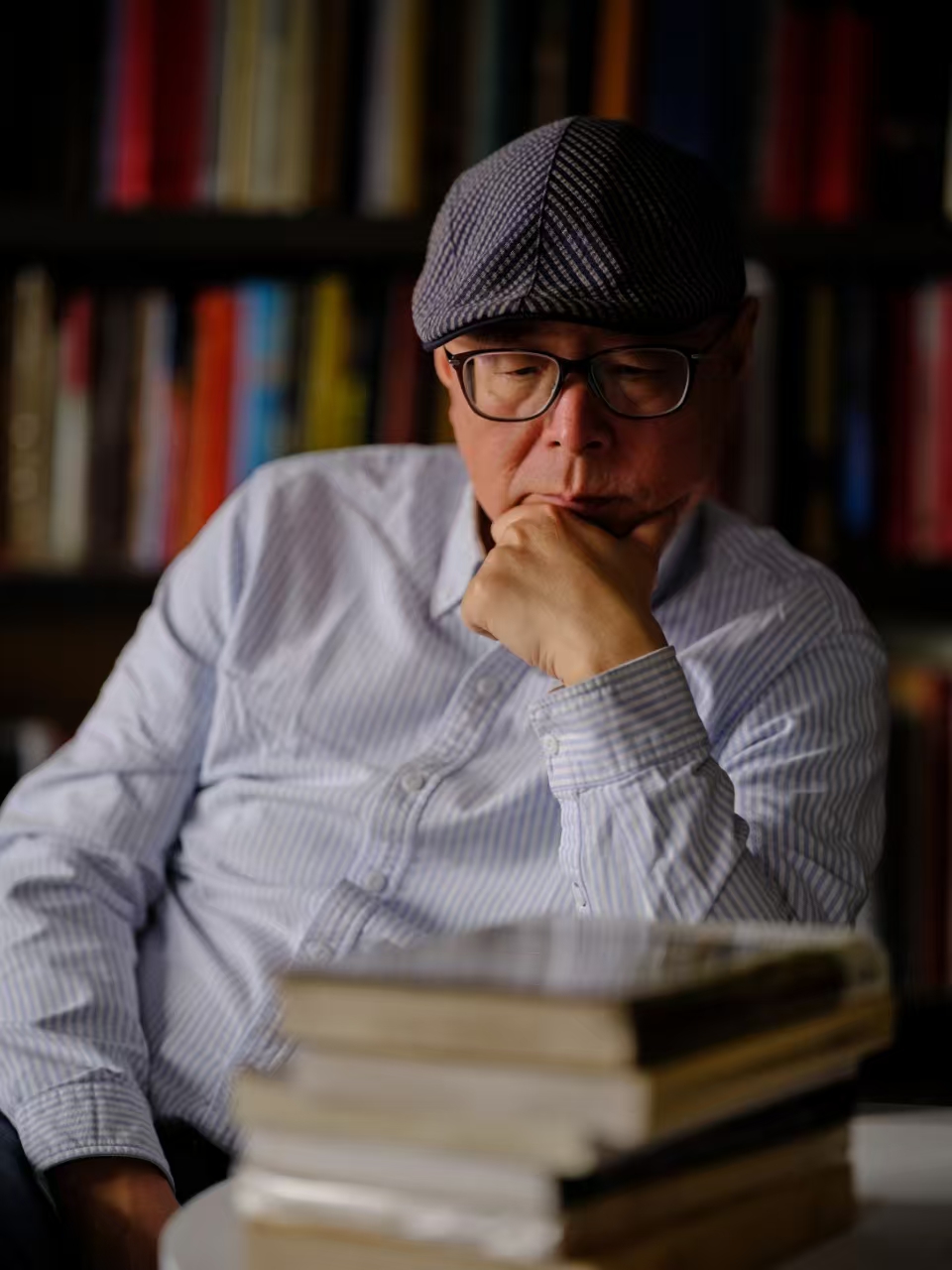
Prof Jun Li
Prof Li’s research shows that Chinese art was not merely represented in Europe, but also actively transformed European artistic sensibilities, playing a crucial role in the development of 18th-century taste and aesthetic discourse. The study also highlights Macao’s unique role as a linkage mechanism in facilitating artistic exchanges between Portugal, Europe, and China, which ushered in the Early Modern Period of world history.
A map of Macao, presented in a book published during the Qing dynasty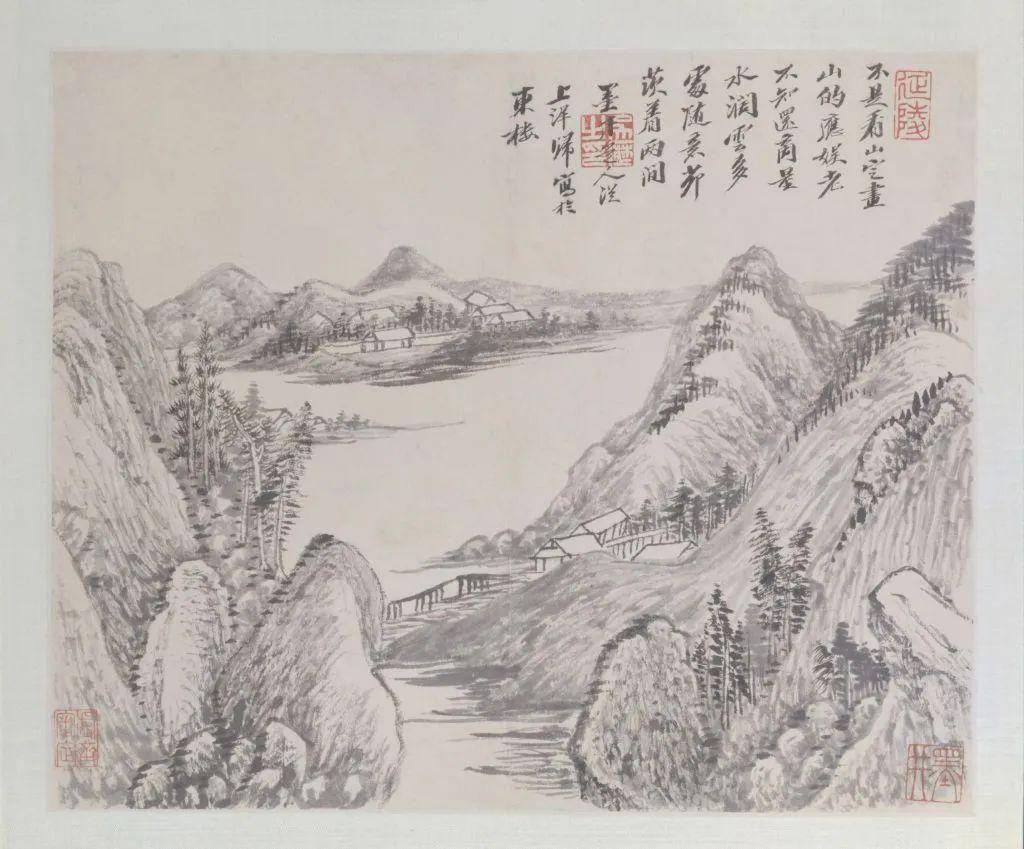
One of the paintings from Wu Li’s Landscape Album