
Brain-computer interfaces move from experimental technology to real-world impact
Brain-computer interfaces are creating new possibilities in education, health and human-technology interaction, while raising key ethical questions about responsible innovation.

Sponsored by

Sponsored by
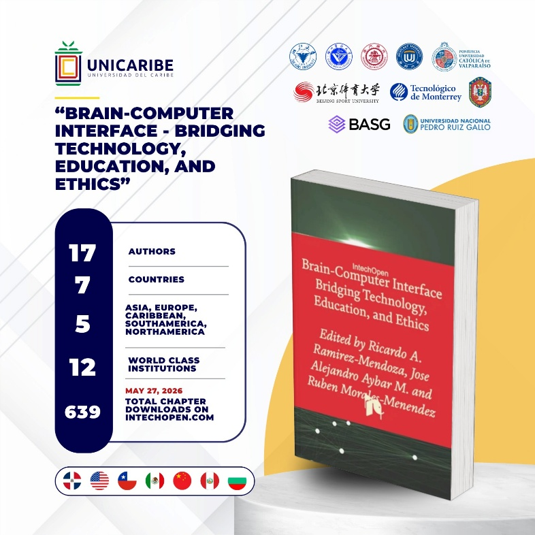
The open-access book Brain-Computer Interface – Bridging Technology, Education, and Ethics explores how brain-computer interfaces are transforming education, health, rehabilitation and human interaction with digital systems.
Published by IntechOpen, the volume was edited by Ricardo A. Ramirez-Mendoza, José Alejandro Aybar M. and Ruben Morales-Menendez. It brings together international contributions on the use of neural technologies, artificial intelligence and digital systems to interpret brain activity and support practical applications.
The book covers topics such as STEM learning, stroke rehabilitation, adaptive learning, Alzheimer’s disease digital twins, military medical training and the ethical challenges of neurotechnology. It also addresses key issues such as neuro-rights, cognitive dignity and responsible innovation.
By connecting technology, education and ethics, the publication offers a broad view of how brain-computer interfaces could support more personalised learning, better rehabilitation processes and new forms of human-machine interaction.
For UNICARIBE, the book strengthens its participation in emerging technology research and international academic collaboration in artificial intelligence, education and responsible innovation.
Read the full book: https://www.intechopen.com/books/1004925