
Taipei Medical University embraces emerging digital tools to improve patient care
Taipei Medical University has implemented an AI-powered platform across three of its hospitals, creating a holistic model of care
Sponsored by Taipei Medical University

Sponsored by
Sponsored by
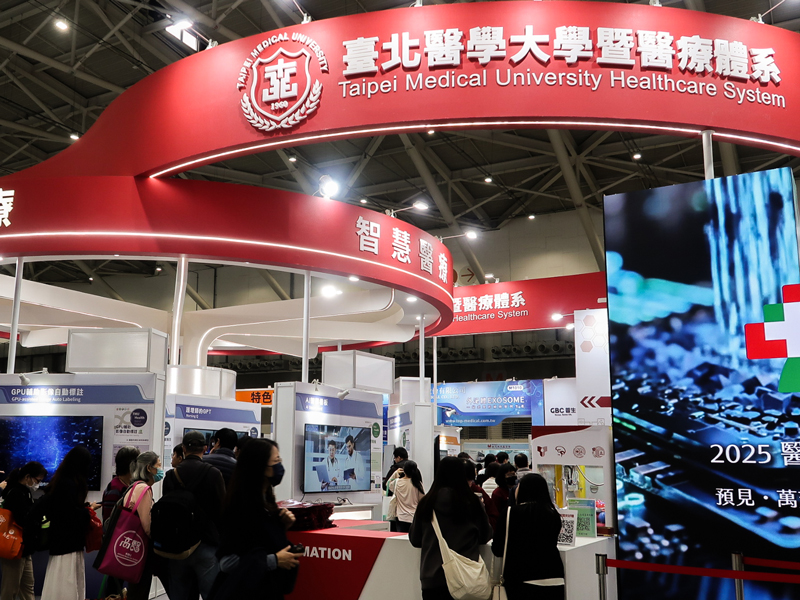
Taipei Medical University (TMU) has harnessed the power of artificial intelligence (AI) to create a health information ecosystem that embraces smart, sustainable and globally connected healthcare.
“Future healthcare will revolve around digitisation, precision and regeneration,” says TMU president Mai-Szu Wu. “Digital tools are essential, but transformation remains the true goal. Only with a strategic approach can we redesign medical processes and elevate clinical quality.”
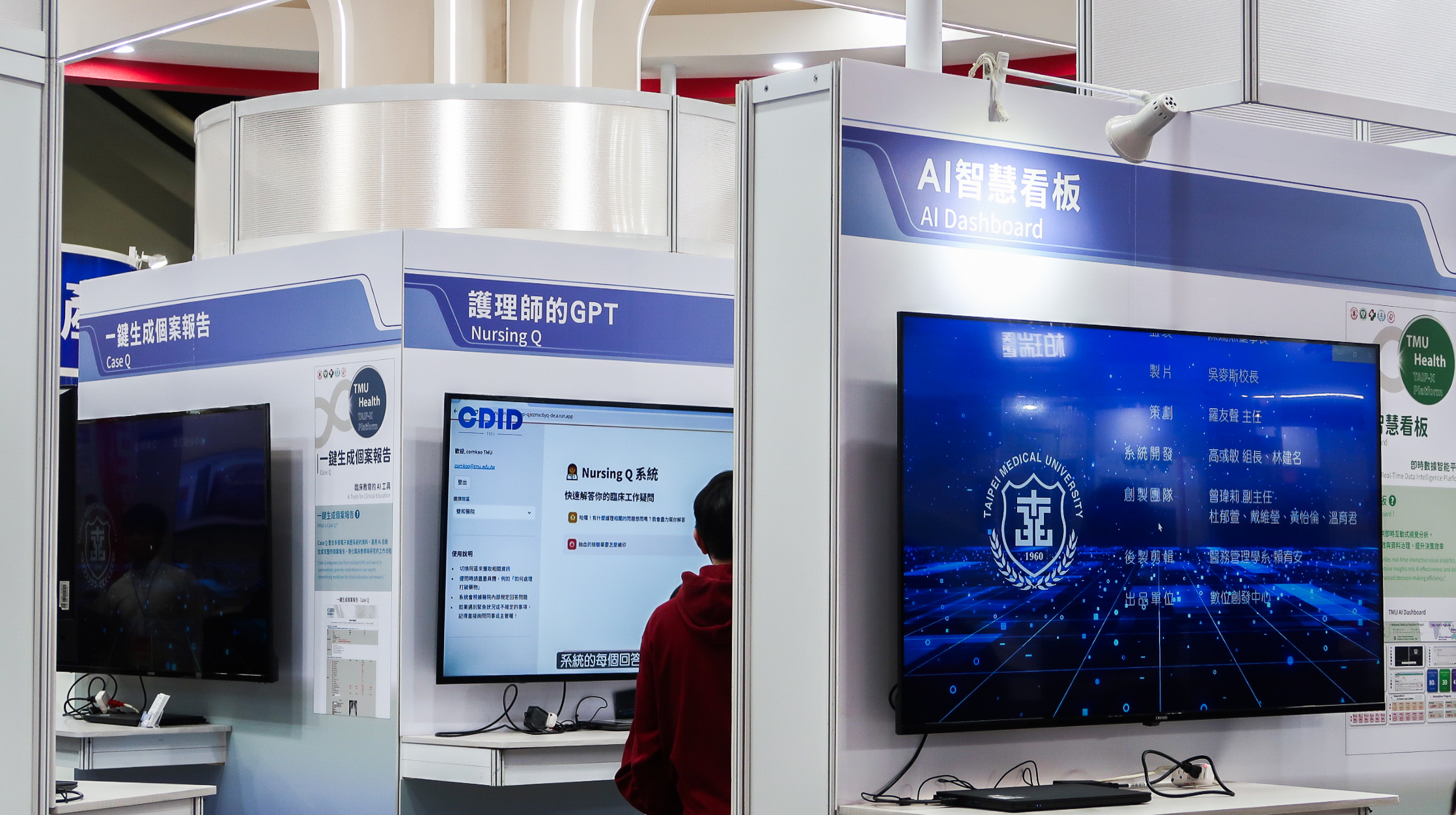
Launched in 2024, the TMU AI Integrated Platform X (TAIP-X) is a generative AI-enhanced ecosystem that integrates clinical service delivery with education across its acute care, ambulatory care and advanced care services.
The platform connects the data of TMU’s three affiliated hospitals, namely TMU Hospital, Shuang Ho Hospital, and Wanfang Hospital. It enables real-time cross-hospital data sharing and allows healthcare practitioners to coordinate patients’ care.
The three hospitals have different specialities. TMU Hospital leads in cancer treatment and cutting-edge medical care; Shuang Ho Hospital has extensive expertise in neurology and emergency and critical care; and Wanfang Hospital excels in cardiology and integrated care for chronic diseases.
TAIP-X is not simply a digital portal or dashboard. It automates documentation – from clinical notes to nursing care plans – and supports frontline staff in their daily routines. Meanwhile, its generative-AI capabilities mean the platform can summarise patient histories, generate patient handover reports and assist healthcare providers with clinical queries.
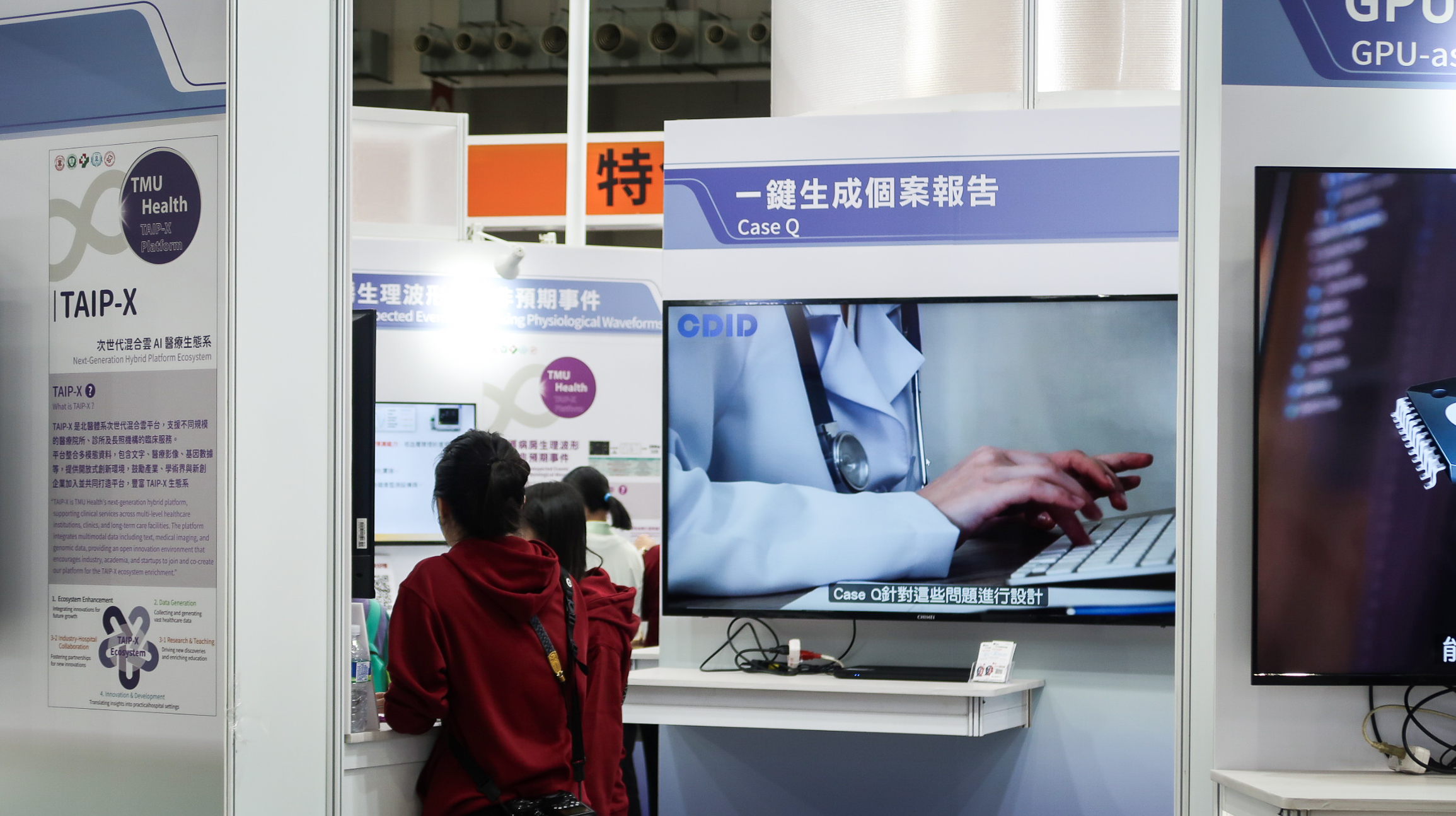
However, clinicians and healthcare personnel remain vital to healthcare at TMU. AI does not make decisions for doctors and nurses; instead, it helps them decide better and faster. Every AI tool is evaluated for its impact on safety, accuracy and workflow. Ultimately, clinicians remain the final decision makers when it comes to every patient’s care.
Unlike many smart hospital solutions, which focus on individual departments, TAIP-X is a system-wide platform that integrates data from smart wards, telemedicine and digital pathology into a unified interface.
TAIP-X is part of TMU’s broader strategy to deliver integrated, innovation-informed healthcare. This strategy led to TMU’s Health Information System 3.0, which uses advanced digital tools to reduce administrative workloads and enhance the seamless integration of medical resources.
The university has also installed more than 1,000 smart infusion pumps across its hospitals. The SmartMed Infusion System, developed by Inventec, enables infusion pumps to be monitored in real-time, ensuring patient safety and reducing the workload for nursing staff.
The TMU College of Nursing has investigated smart ward technologies and fall-prevention interventions. TMU researchers found that new technologies were able to detect significantly more potential falls than traditional systems, without false alarms.
Meanwhile, telemedicine solutions at TMU Hospital enable remote monitoring of patients’ vital signs and expanded care access beyond the hospital walls.
The introduction of smart tools and TAIP-X has not only benefited patients. The university’s students are also learning new digital skills that are preparing them for a rapidly changing workplace. For example, students get to engage in AI-supported clinical simulation exercises, digital health and data literacy modules, and interdisciplinary learning activities that involve AI tools.
These technology-savvy students will enter the medical field ready to implement new tools that enhance patient care.