
From seed to shelf: advancing global health through sustainable bio-innovation
Critical components of health innovation can often be fragmented across different institutions and research teams. Southern Cross University brings together unique solutions in one place, staying closely connected to the communities and ecosystems where they originate
Sponsored by Southern Cross University

Sponsored by
Sponsored by
Southern Cross University (SCU) in Australia is shaping global health by exploring evidence-based natural products and building end-to-end capability in sustainable bio-innovation. The National Centre for Naturopathic Medicine at the university is a central pillar supporting this mission. One of the most widely used forms of complementary medicine in Australia, naturopathy is “about encouraging the body’s own innate healing responses”, says Jon Wardle, foundation director of the centre, professor of public health and Maurice Blackmore Chair of naturopathic medicine at SCU.
Established in 2020, the centre is dedicated to advancing people’s well-being through naturopathic education, research and advocacy. It offers seven accredited degree programmes that are designed by experienced clinicians and international leaders in their fields. “We have Australia’s only indigenous-led First Nations medicine programme,” Wardle says. Eight of its researchers are featured in the list of the world’s top two per cent scientists, published in 2025 by Elsevier and Stanford University.
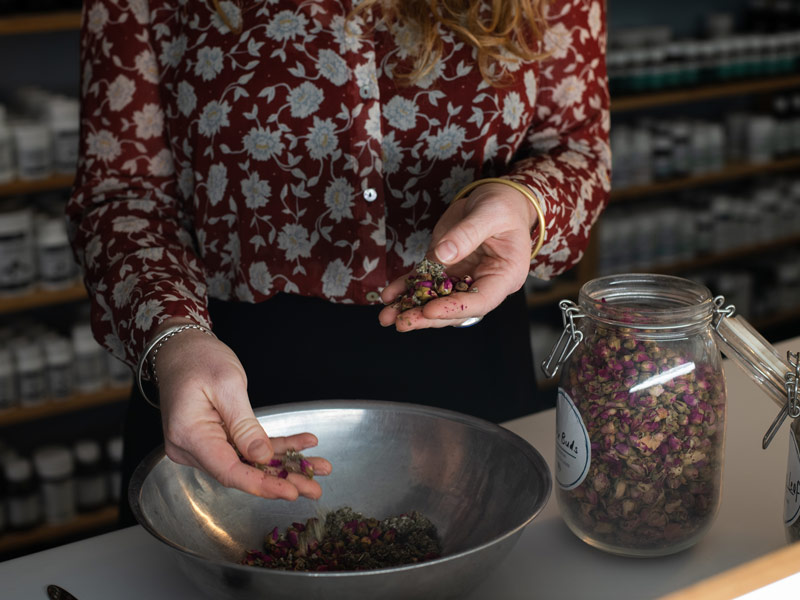
Naturopathy frames food as medicine, so researchers at the university study a range of foods for their medicinal properties. There is growing global interest in models for developing sustainable, ethical and scientifically validated natural products. The centre is part of the university’s Harvest to Health cluster, which is an interdisciplinary research hub that connects sustainable agricultural innovation with health and biomedical sciences. “We call it that because we do everything from seed to shelf,” Wardle says. The cluster is an important way to promote interdisciplinary collaboration, as it “gets everyone involved in the value chain”, he adds. “You need all types of science to be able to do this work effectively.”
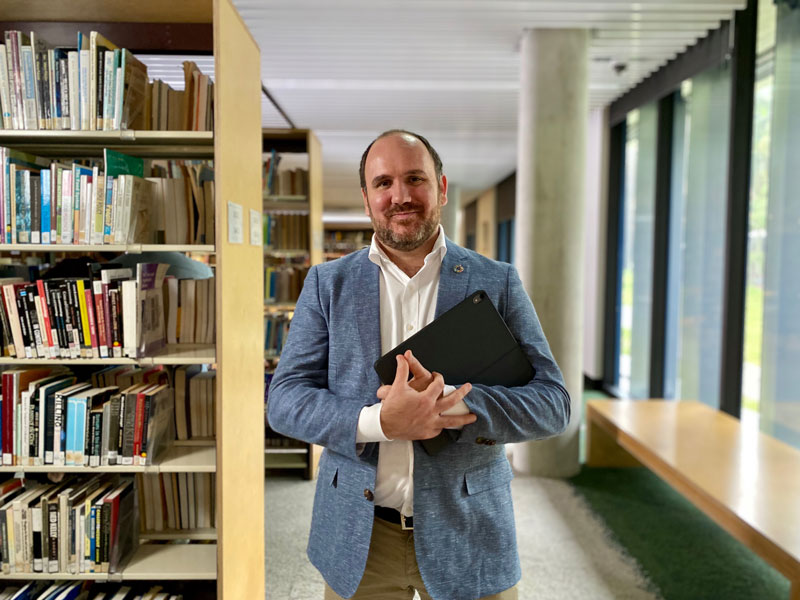
The centre is emerging as a global leader in natural medicine, with research projects ranging from drug discovery to gauging how yoga can contribute to the well-being of individuals who have survived natural disasters. Some of its research projects investigate different aspects of health, such as integrative models of care and nature-based therapies. Since its launch, its researchers have produced more than 240 peer-reviewed publications.
SCU has its own herbarium, analytical chemistry capabilities, pre-clinical laboratories and one of the largest clinical trial units in regional Australia. “We have the whole spectrum. The clinical trials explore a range of therapeutic options, from food interventions to natural drugs that could be registered as pharmaceuticals,” Wardle says.
“We take a holistic and evidence-led view towards medicine, not just on what the new drugs are going to be but also whether there are other methods worth incorporating,” explains Wardle. “We use a lot of complementary approaches to medical and surgical interventions. We have a very strong oncology programme. It tends to focus more on reducing the side effects of or enhancing conventional interventions like chemotherapy rather than trying to replace them.”
A key factor driving the centre’s achievements is the academic culture at SCU. “We have a great ecosystem within the university, and we are interested in trying new things,” says Wardle. This makes SCU and the wider region a living laboratory, offering a model for sustainable innovation that can be adapted and applied globally. He highlights that SCU’s strategic plan explicitly states that the university must be a catalyst for progress. “We are able to solve big problems. We have an obligation and responsibility to develop that kind of capacity here.”