More than a third of Muslim students say they have personally experienced Islamophobia at university, but most say they don’t feel able to report it, according to a survey.
Testimony shared with the Federation of Student Islamic Societies (FOSIS) include students’ accounts of being spat at, receiving death threats, and being called terrorists.
But according to the Belonging in Question report, based on a survey of 715 Muslim students at 63 higher education institutions in the UK, many feel their experiences go ignored.
Only 32 per cent of students who said they had experienced Islamophobia felt they had been able to report it, the report finds, and among those who did, just 55 per cent considered their concerns to have been addressed appropriately.
Those at Russell Group universities – a cluster of 24 research-led institutions –described higher rates of Islamophobia than their peers (44.4 per cent, compared with 33.6 per cent of students not attending a Russell Group university).
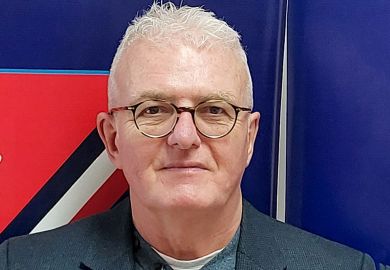
“Muslim students are an integral part of British society and of our universities,” said Rahma Hegy, vice-president for student affairs at FOSIS. “Yet many tell us they do not feel they belong on the very campuses meant to include them.”
One of the perceived disparities between themselves and how other students were treated, Muslim students told researchers, was the sense their political expression was more keenly scrutinised.
“Students identified unequal approval processes for Islamic and Palestine-related events,” the report states, with 31 per cent referencing this concern. A “smaller but substantial” proportion (21.5 per cent) claimed they had witnessed Muslim speakers “no-platformed” or uninvited from events.
Meanwhile, nearly one in five students (20.4 per cent) said they felt “high-level worry” about being reported for extremism when practising, expressing, discussing or sharing knowledge about Islam on campus.
Besides their interactions at and with universities, students also shared how residential and academic life affects their Muslim identity.
More than one in five (21 per cent) told the survey their timetable was “not compatible at all” with daily prayer requirements and Friday prayers.
FOSIS recommends that students’ unions and universities alike should adopt the definition of Islamophobia used by the All-Party Parliamentary Group (APPG) on British Muslims.
That definition calls the bias one “rooted in racism” and “a type of racism that targets expressions of Muslimness or perceived Muslimness”.
FOSIS asks that university staff be trained on Islamophobia awareness and that they publish a “clear route for reporting” such prejudice, as well as adding a “named Islamophobia category to their reporting systems”.
“Universities should not routinely monitor Islamic Society events, classes, or prayers, nor impose security measures that would not ordinarily be applied to other student societies,” the report adds.
FOSIS also wants to see timetabling reflect religious needs. It asks that scheduling keep Friday prayers – usually around 1pm – free of compulsory teaching, keep examinations off Eid, and allow short prayer breaks “under a clear departmental rule”.
Hegy told Times Higher Education that students’ reluctance to report discrimination was concerning.
“A robust reporting system rests on three things: students knowing that it exists, students trusting that it will lead to action, and students being kept informed throughout,” she said.
Register to continue
Why register?
- Registration is free and only takes a moment
- Once registered, you can read 3 articles a month
- Sign up for our newsletter
Subscribe
Or subscribe for unlimited access to:
- Unlimited access to news, views, insights & reviews
- Digital editions
- Digital access to THE’s university and college rankings analysis
Already registered or a current subscriber?