Tweaks to the terms of student loan repayments could shift the cost burden later in a graduate’s career, at minimal cost to government, according to an influential thinktank.
The Institute for Fiscal Studies (IFS) has published analysis that shows changes to repayment rates and thresholds, combined with a longer repayment period, could redistribute who pays the most and when, in a way that is “cost-neutral in the long-run”.
For example, a reduction in the repayment rate from 9 per cent to 5 per cent, combined with an extension of the write-off period for nine more years, could re-profile payments later in graduates’ working lives while leaving total lifetime repayments from the 2022-23 cohort nearly unchanged, the IFS found.
“While such a reform would not change the way total costs were shared between taxpayers and affected graduates, it would be likely to redistribute amongst graduates, with higher-earning graduates likely to pay more and lower-earning graduates likely to pay less,” it says.
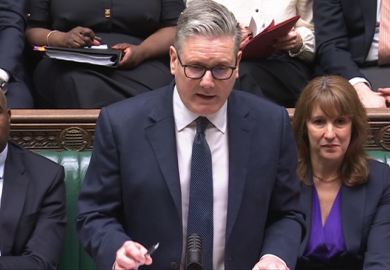
It comes as the government considers changes to the system, deciding between cutting interest rates and increasing the repayment threshold for loan holders in a bid to quiet growing discontent about graduate debt levels.
The latest report also analyses the impact of reforms proposed by the Conservative Party, the Liberal Democrats and the Rethink Repayment campaign group.
It found that the Conservatives’ plan to reduce interest rates on Plan 2 student loans would reduce average lifetime repayments among those who started courses in 2022-23 – the last year this plan was in operation – by about £11,000 on average.
This would benefit high-earning graduates most but would have little impact on the repayments made by lower earners – the fifth of graduates with the lowest lifetime earnings could expect almost no change in their lifetime repayments.
The IFS found that the Liberal Democrats’ plan to increase the repayment threshold each year in line with average earnings growth would reduce the monthly repayments of all graduates required to make them.
Over a graduate’s lifetime, this reform could reduce average loan repayments by about £8,000, the IFS said, but could see the highest-earning graduates repay slightly more than they would currently. However, these individuals could avoid this by making voluntary early repayments.
The Liberal Democrats have also proposed writing off some public sector workers' debt after 10 years of service and introducing an independent oversight body.
The IFS analysis also looked at proposals put forward by campaign group Rethink Repayment, which is calling on the government to increase the repayment threshold and reduce both interest and repayment rates.
If implemented, these reforms would see most Plan 2 loan holders’ repayments halved almost instantly. The plan would also “substantially reduce” expected lifetime loan repayments for all earners.
“However, the cost of this policy to the exchequer would be substantial,” the IFS writes. “Some graduates may be made worse off if meeting this cost meant higher taxes or lower government spending elsewhere.”
The report concludes: “There are inherently political choices involved in decisions about how higher education should be financed, and how these costs should be shared between individuals: both amongst graduates in the same cohort, and between graduates and the wider taxpaying public.
“Most major changes would have important consequences for the public finances, although there are tweaks that government could make which could change who pays, or when they pay, without substantial costs for the taxpayer.”
Register to continue
Why register?
- Registration is free and only takes a moment
- Once registered, you can read 3 articles a month
- Sign up for our newsletter
Subscribe
Or subscribe for unlimited access to:
- Unlimited access to news, views, insights & reviews
- Digital editions
- Digital access to THE’s university and college rankings analysis
Already registered or a current subscriber?