Three Palestinian students from Gaza have been granted visas to study at Irish universities after the country’s justice minister reversed his earlier decision to refuse entry.
The trio were among four students who had already secured fully funded places at Irish universities and took their cases to the High Court after justice minister Jim O’Callaghan initially refused their visa applications, sparking protests.
The cases were due to come before the High Court last week but O’Callaghan offered to make a final decision on their appeals. Solicitors for the three students confirmed to The Irish Times that they had been granted visas. A fourth student who had also challenged the minister’s refusal in the High Court lost the appeal.
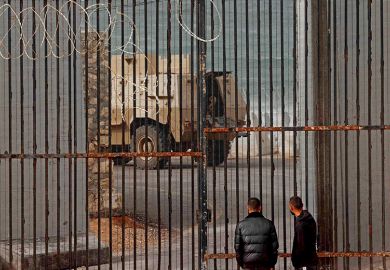
The Irish government’s refusal of visas for Palestinian students has been under scrutiny in a country which has been one of Europe’s most vocal supporters of Palestinian statehood.
Last year, more than 80 students from Gaza were granted Irish visas and left the territory in an evacuation organised by the government. But there has been a sharp fall in the number of visas granted this year. An investigation by the Irish Examiner found that the government refused 114 of 138 applications this year, marking a refusal rate of 83 per cent, compared with only 13 per cent the previous year.
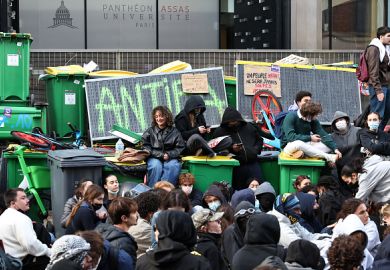
Several protests were held in Dublin over the summer, calling for the government to reverse the refusals.
Among the reasons cited for originally refusing the visas of the four students was missing original documents of past education and work qualifications. Other Palestinian students have also been refused on grounds including financial evidence, gaps in education or employment and doubts they would return after their studies.
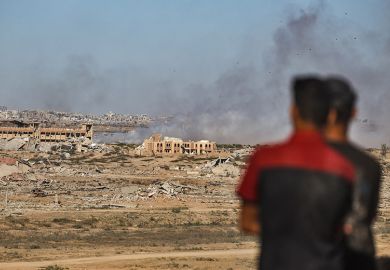
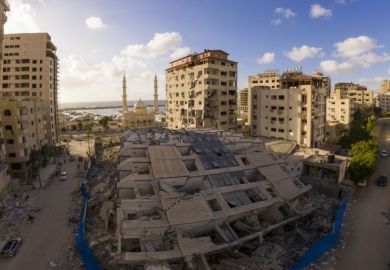
Lawyers representing the four have argued that the requirements are unrealistic because the civilian infrastructure, such as banks and post offices, needed to get the records no longer exists in the war-torn enclave.
The Irish Department of Justice has previously said there has been no change to its documentation requirements and that applications are considered individually on the basis of merit.
The three students’ success will raise further questions over whether others whose applications have been refused on similar grounds could see those decisions reconsidered this week. The High Court is expected to hear dozens more challenges to the visa refusals after a judge last week said it was “literally a matter of life and death” for the students.
Register to continue
Why register?
- Registration is free and only takes a moment
- Once registered, you can read 3 articles a month
- Sign up for our newsletter
Subscribe
Or subscribe for unlimited access to:
- Unlimited access to news, views, insights & reviews
- Digital editions
- Digital access to THE’s university and college rankings analysis
Already registered or a current subscriber?