Worries about being labelled “unprofessional” are preventing medical students from speaking out about concerns related to their education and clinical placements, according to a new survey.
One-third of medical students claim they have unfairly been called “unprofessional” at least once, according to a report from the British Medical Association (BMA), which calls for a reset in how professional standards are understood and used by medical schools.
Medical students are held to the same professional standards expected of doctors, as set out by the General Medical Council (GMC) and medical schools. Students can have concerns about their conduct raised against them by their educators, clinicians, fellow students, patients and members of the public.
But the BMA, which represents doctors in the UK, has warned the concept of “professionalism” is being used by medical schools to “suppress valid student concerns” and control student behaviour.
In a new report from the union, based on a national survey of 2,573 medical students, respondents describe a “tick-box” culture focused on attendance monitoring, behavioural compliance and administrative infractions, rather than professional development and support.
One fifth-year medical student said they had a professionalism concern on their record for “forgetting to submit a feedback form for a lecture block”, while another said their school viewed “not scanning a QR code that registers attendance” as unprofessional. The student said the QR code in question was not functioning correctly.
Over 70 per cent of students who had a professionalism concern raised against them felt the description was unfair, with many reporting that the process was used “disproportionately” to manage student feedback or dissent.
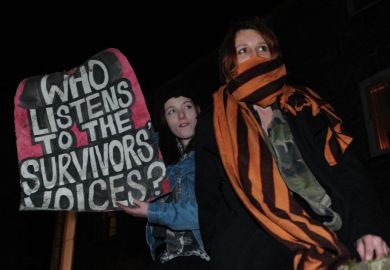
Some respondents also said they felt their right to free expression was being restricted, with 66 per cent saying they would feel unable to participate openly in lawful political activism or protest if they chose to because of fears about consequences to their future career.
When applying to join the medical register, medical students must declare any formal concerns processes that led to action against them while at medical school.
The report goes on to claim that “inappropriate use” of professionalism could prevent students from speaking up about issues they see or experience during their medical education.
Almost half (45 per cent) of respondents said they would feel uncomfortable raising concerns within their medical school, while 40 per cent would feel uncomfortable doing so on placement, despite raising concerns being a professional duty for doctors and students.
“I have seen numerous cases within my medical school where students have been penalised and accused of unprofessional behaviour for attempting to raise concerns about bad experiences on placement or their own/others’ mental health,” one fourth-year student said.
The BMA said this trend could be “detrimental to patient safety and risks undermining the NHS’s significant national efforts to improve staff members’ freedom to speak up”.
“Permitting cultures where students feel unable to raise concerns regarding behaviours they experience, or witness also risks perpetuating the patterns we already see of sexual harassment of medical students while on placement,” the report says.
The BMA said the system was stoking fear and anxiety among students, who were worried that minor infractions could harm their future careers.
“It’s heartbreaking to hear how much anxiety these systems are causing,” said Elgan Manton-Roseblade, co-chair of the BMA’s medical students committee. “‘Professionalism’ should be about learning how to be a safe, compassionate doctor, but right now it’s [used] as a disciplinary threat that risks silencing students.”
The BMA recommended reviewing the quality assurance processes for medical schools to include the management of student professionalism. It said the GMC should “review and ensure all medical schools’ relevant policies are fair, transparent, and proportionate”.
The union also called on medical schools to “foster a culture where students always feel safe to speak up and raise concerns”.
“We can see that students are genuinely scared and reluctant to speak up about issues, and the risk is that as they approach NHS work, this could increasingly translate into a fear of raising vital patient safety concerns,” said Callum Williams, deputy chair of the BMA's medical students committee.
“Repeated descriptions of trivial issues as unprofessional whilst serious conduct issues are often not addressed undermines students’ trust in professional standards. Medical schools must start treating their students for who they are: the future of our health service, with real lives that deserve flexibility and respect.”
Register to continue
Why register?
- Registration is free and only takes a moment
- Once registered, you can read 3 articles a month
- Sign up for our newsletter
Subscribe
Or subscribe for unlimited access to:
- Unlimited access to news, views, insights & reviews
- Digital editions
- Digital access to THE’s university and college rankings analysis
Already registered or a current subscriber?