How should counsellors respond to the political climate in the US?
The political climate for international students applying to US universities has become increasingly complex. We need to help students manage their fears – and distinguish between speculation and policy


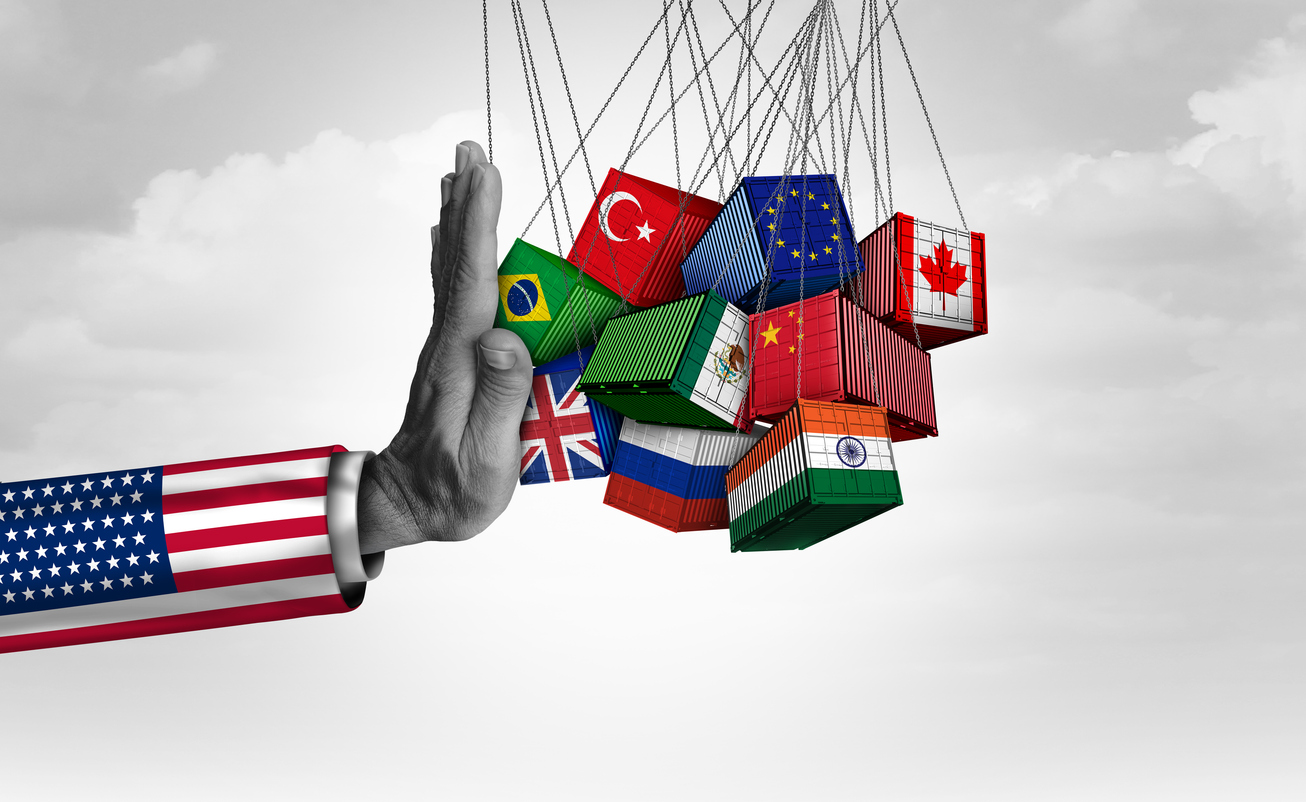



For counsellors working in international education, it is essential to understand the political situation in the United States in order to provide ethical, future-focused guidance.
The US remains one of the world’s most popular higher-education destinations. Yet the political climate for international students – specifically around immigration and visas – has become increasingly complex. We, as counsellors, need to find tools to help us navigate these new challenges. And we must be able to contextualise these realities while helping students with fear, uncertainty and long-term planning.
One of the most important points counsellors need to understand is that policy uncertainty does not equal inaccessibility. While changes in administration often bring shifts in immigration rhetoric, the student-visa structure remains intact – particularly for the F-1 visa, Optional Practical Training (OPT) and STEM OPT.
However, media narratives and political discourse can amplify fear, especially among international families. As counsellors, our role is not to minimise concerns, but to translate political noise into practical, accurate information, helping students to distinguish between speculation and policy.
Stemming geopolitical anxiety
In my own counselling experience, I have seen how geopolitical anxiety disproportionately affects international students, who often feel their futures are dependent on decisions beyond their control. Counsellors must create space for students to express these fears openly. This fosters holistic student development, acknowledging that academic planning cannot be separated from emotional well-being.
One way to approach this is to address political concerns directly in counselling sessions, rather than avoiding them. Reassure students by focusing on what is within their control: academic performance, skill development, adaptability and flexibility of pathways.
Thinking long term
We also need to situate US higher education within the future of work. Employers are now central stakeholders in higher education, and the US continues to be a global leader in innovation, AI development, research and entrepreneurship. Even amid political tension, American universities remain closely connected to employers who value international talent, particularly in areas such as technology, sustainability, data science and healthcare.
Counsellors should therefore frame conversations not only around visas, but around employability, skills and long-term workforce trends. This includes helping students understand how OPT, internships and employer partnerships function as bridges between education and work.
AI and technological transformation also play a role here. Counsellors need to understand how AI is reshaping industries and how US institutions are responding through curriculum design, research opportunities and interdisciplinary learning. This allows counsellors to guide students toward programmes that prioritise creative and analytical thinking – skills that employers increasingly value over static qualifications.
When students understand that their education equips them for a global, evolving job market, political uncertainty becomes one more factor among many, rather than a defining obstacle.
Cultivating a global mindset
Counsellors should actively avoid positioning the US as the only viable study destination. Instead, they should model lifelong learning and flexibility by presenting the US as part of a broader global ecosystem.
In practice, this means encouraging students to consider multi-country strategies, alternative entry points, graduate mobility or future transitions between systems. This approach reduces pressure and empowers students, emphasising access, adaptability and sustainability in education.
Finally, counsellors must commit to continuous learning. The political landscape evolves quickly, and staying informed requires intentional engagement with trusted sources, professional networks and counsellor communities. Sharing updates with colleagues, attending webinars and reflecting collectively ensures that guidance remains accurate and ethically grounded.
Counsellors do not need to predict political outcomes; they need to help students develop resilience, critical thinking and agency in an uncertain world.
By integrating mental-health awareness, employer-focused guidance, global perspectives, and future-ready skills into their work, counsellors can support international students not despite political complexity, but through it.