Knowing the unknown unknowns of counselling
As university counsellors, we know what we know, and we know some of what we don’t know. But what about the things we don’t know we don’t know?
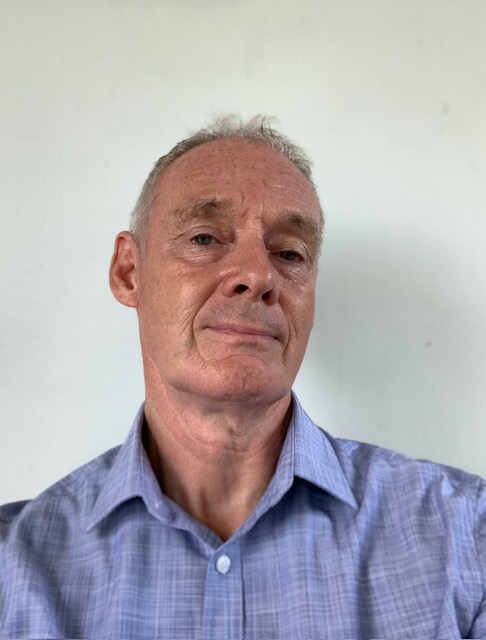
James Burnett






What success I have had in university counselling is, in part, down to Donald Rumsfeld. So let’s start with a quiz: who was Donald Rumsfeld?
- A university applications guru, whose books are essential reading for university counsellors
- A psychiatrist whose work on well-being in a school environment has helped university counsellors manage their multifaceted roles more effectively
- The creator of an app that guides counsellors towards all-expenses-paid visits to universities in desirable locations
- The US secretary of defence during the Iraq War in 2003.
Of course, the answer is 4. So, how did Donald Rumsfeld come to influence my work as a counsellor?
When justifying America’s involvement in that war, Rumsfeld made the following statement: “There are known knowns; there are things we know we know. We also know there are known unknowns; that is to say we know there are some things we do not know. But there are also unknown unknowns – the ones we don’t know we don’t know.”
Negotiating the known unknowns
As a new counsellor, my known knowns covered a narrow range of university application areas. As a former recruiter for UK institutions and author of books on UK university admissions, this is where I had the most experience. I knew little about the intricacies of US or EU applications, nor did I understand the sometimes labyrinthine processes involved in applications to Thai universities – these were some of my known unknowns. And I knew that I had to undertake lots of research, attend conferences and meet university reps to turn these into known knowns.
This year we had our first applications for universities in Japan, and I had to go through a rapid learning process to become familiar with the document requirements and processes. But I knew that I didn’t know much about Japanese admissions and so I was able to prepare in good time.
The weak spot in my counselling was the unknown unknowns – the ones, as Rumsfeld said, that I didn’t know I didn’t know. To use the (grossly overused) iceberg analogy, my known unknowns, sticking out above the water, were a small fraction of the things that I didn’t – and don’t – know.
Turning unknown unknowns into known unknowns
How do unknown unknowns become known unknowns? In some cases, these are triggered by student meetings: “I have a Finnish passport and need to do national service – do I apply for a Finnish university before, during or after my national service?” Resisting the urge to bluff my way through this, I then did some research and was able to provide the required information.
But for me the most useful source of unknown unknowns has been the counselling groups that I belong to, such as the Thai University Counsellors group, the Solo Counsellors WhatsApp group or those ad hoc groups that are born after attending events such as the recent THE/BMI conference in Bali. These are, in the current jargon, safe spaces where counsellors feel confident asking questions when new situations arise. I don’t think a week has passed since I joined these groups when someone’s question hasn’t made me think: “It never even crossed my mind that this was an issue.”
A recent example was when a counsellor shared some information on WhatsApp about specialist help for athletes looking for full scholarships in the US. I had just had a conversation with a student who has represented her country internationally and was looking at scholarship opportunities. We have very few US applications and this is only the second year that we have had students applying there, so I had never thought about routes for sporting excellence until that post. So an unknown unknown became a known unknown, and I was then able to use the group to find out more, get help and support, and then advise the student appropriately.
Other unknown unknowns that became known unknowns through questions on chat groups recently included processes for uploading recommendations in Singapore, homologation of IB results for Spanish universities, a change to testing requirements for an international programme in Thailand, a particular algorithm used by a US university for admissions and a clever way to get on to a counsellor fly-in that I hadn’t heard about.
In search of the philosopher’s stone
Working as a solo counsellor, engaging with colleagues from other schools is an essential part of my work. Whether through online chat groups or face-to-face discussions at conferences or events, these interactions are the philosopher’s stone for turning unknown unknowns into known unknowns, and then into known knowns.
Even counsellors who are part of large counselling departments in their schools and thus have colleagues to help them keep abreast of new situations or recent changes will have their unknown unknowns. Exposure to a wider network of counsellors working in different environments and who face different questions or problems will reap rewards.
As a final word, I would like to thank all those counsellors who have been unafraid to ask questions in public forums (and, of course, to Donald Rumsfeld).