‘What I wish I’d known about applying to university in South Korea’
Between language barriers, hidden programme details and unfamiliar application portals, helping a student apply to university in South Korea can feel overwhelming – but it needn’t be that way

Ulugbek Yuldashov


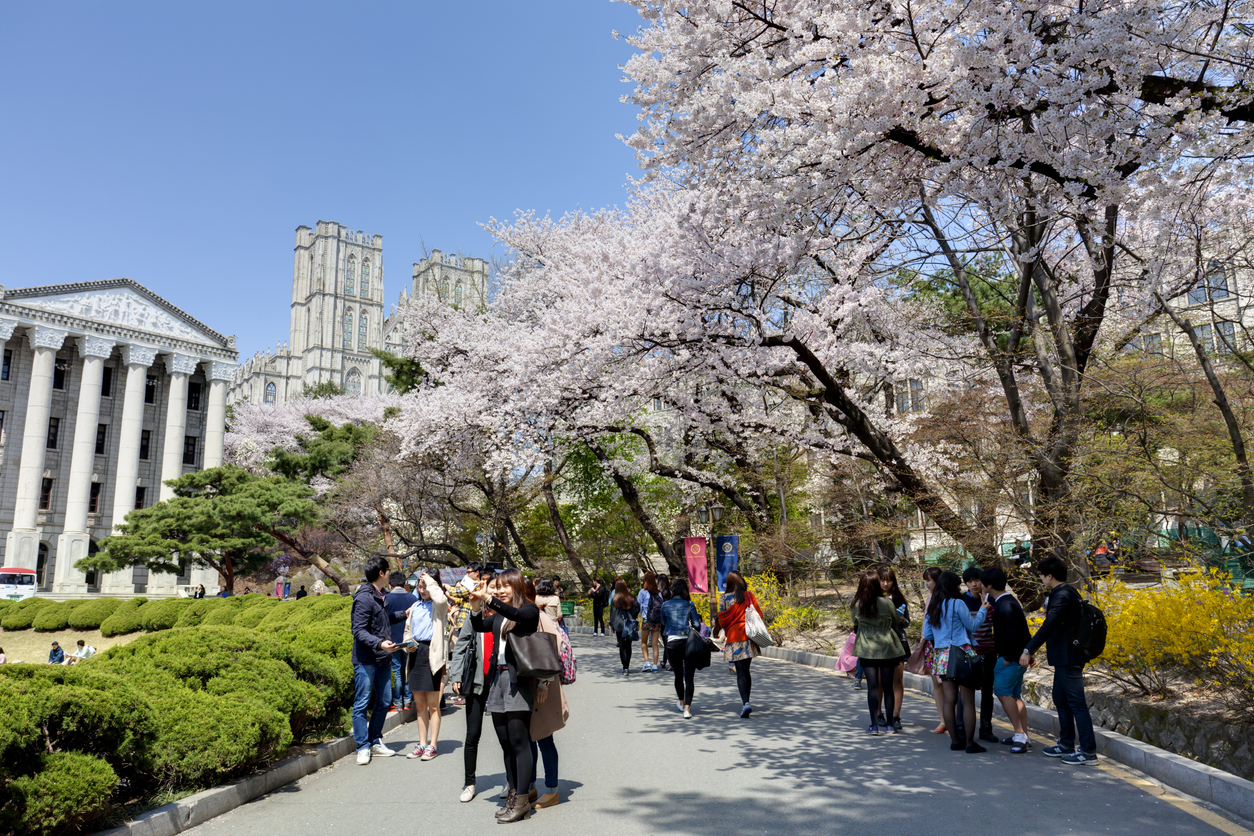




When I first stepped into my role as a high-school college counsellor, I felt pretty confident handling standard application systems. But early on, a bright, ambitious student walked into my office and told me they wanted to study in South Korea.
At the time, I knew almost nothing about Korean higher education.
Trying to navigate an unfamiliar international system from scratch quickly became the biggest hurdle of my early career. Between language barriers, hidden programme details and unfamiliar application portals, I very quickly realised how overwhelming this job can become when you’re forced outside your comfort zone.
The Korean admissions wall
Like most people starting out, my immediate instinct was to google top-ranked universities in South Korea and browse their websites. That strategy hit a wall fast, for the following reasons:
Language barriers: general university rankings don’t tell you which programmes are actually taught in English. I’d land on a university’s home page and, because it defaulted to Korean, I had to spend ages hunting for an English translation just to confirm basic programme requirements.
Confusing application routes: I assumed there would be one standard way to apply. Instead, I found a mix. Some universities were on the Common App, while others required applying directly through localised Korean portals, such as UwayApply or JinhakApply.
Financial nuances: finding clear information on application-fee waivers took endless digging. On top of that, I discovered a crucial detail late in the game: several Korean universities offer huge merit-based scholarships based directly on a student’s IELTS or TOEFL score. Missing that early on could have cost my student real financial aid.
Trying to figure all of this out alone by clicking through dozens of broken webpage links was exhausting and incredibly inefficient.
The turning point
The breakthrough happened when I stopped trying to do it all by myself. I reached out to a counsellor at another school who had sent students to East Asia before.
That one quick conversation saved me weeks of headache. They gave me a straightforward rundown of the best English-taught programmes (like Yonsei UIC and Underwood), explained which schools accepted Common App fee waivers, and tipped me off about those IELTS scholarship thresholds.
I learned two massive lessons: first, you don’t have to reinvent the wheel and, second, the global counsellor community is full of people willing to help if you just reach out.
What I wish I’d known about applying to study in South Korea
Here is the playbook I wish I’d had on the day that student walked into my office and said, “I want to study in South Korea”:
1. Check eligibility first
A foreign passport may not be enough. Many universities define international students to be students and their parents as non-Korean citizens, while some offer a separate route for students who completed all their schooling outside Korea. Always check the university’s exact definition of “international” before building a college list.
2. Verify the English-taught programmes
Just because a university says that it offers courses in English does not mean that it necessarily teaches the whole degree in English. Check the specific programme’s language of instruction, English requirements for admission and any TOPIK requirements for graduation. Some English-taught programmes may still require Korean proficiency.
3. Check scholarship thresholds before testing is finished
At some Korean universities, IELTS or TOEFL scores do more than meet admission requirements: higher scores can unlock substantial tuition scholarships. Before deciding that a student’s score is “good enough”, check whether a higher score could significantly reduce costs.
4. Map the application process
There is no single application system for South Korea. Universities may use Common App, UwayApply, JinhakApply or their own portals. Check early how applications, recommendations, transcripts and supporting documents should be submitted.
5. Prepare official documents early
Some universities require apostilled or authenticated transcripts, certified translations, parents’ citizenship documents and proof of family relationship. These can take time, so prepare the document checklist well before applications open.
6. Track deadlines carefully
Korean application windows can be surprisingly short, and application, document and recommendation deadlines may differ. Record each deadline separately and always check the time in Korean Standard Time.
7. Build a South Korea master file
Keep a shared record of English-taught programmes, eligibility rules, IELTS/TOEFL and TOPIK requirements, scholarships, portals, document requirements, deadlines and admissions contacts. Add a “last checked” date, because requirements can change between admission cycles.
8. Don’t be a human encyclopedia
My biggest piece of advice is simple: don’t feel like you need to have all the answers in your head. Your job isn’t to be a human encyclopedia of global entry requirements. It is to know where to find reliable information, when something needs to be double-checked and when to ask others for help.
South Korea initially felt overwhelming, but once I learned where to look and what questions to ask, the process became much more manageable. Being a good counsellor does not mean already knowing every answer – sometimes, it means knowing how to find it.