Sun, sea, sand – and study: applying to university in Mauritius
The renowned holiday destination of blue skies and clear seas is also a safe and multicultural place to study

Almyra Duarte

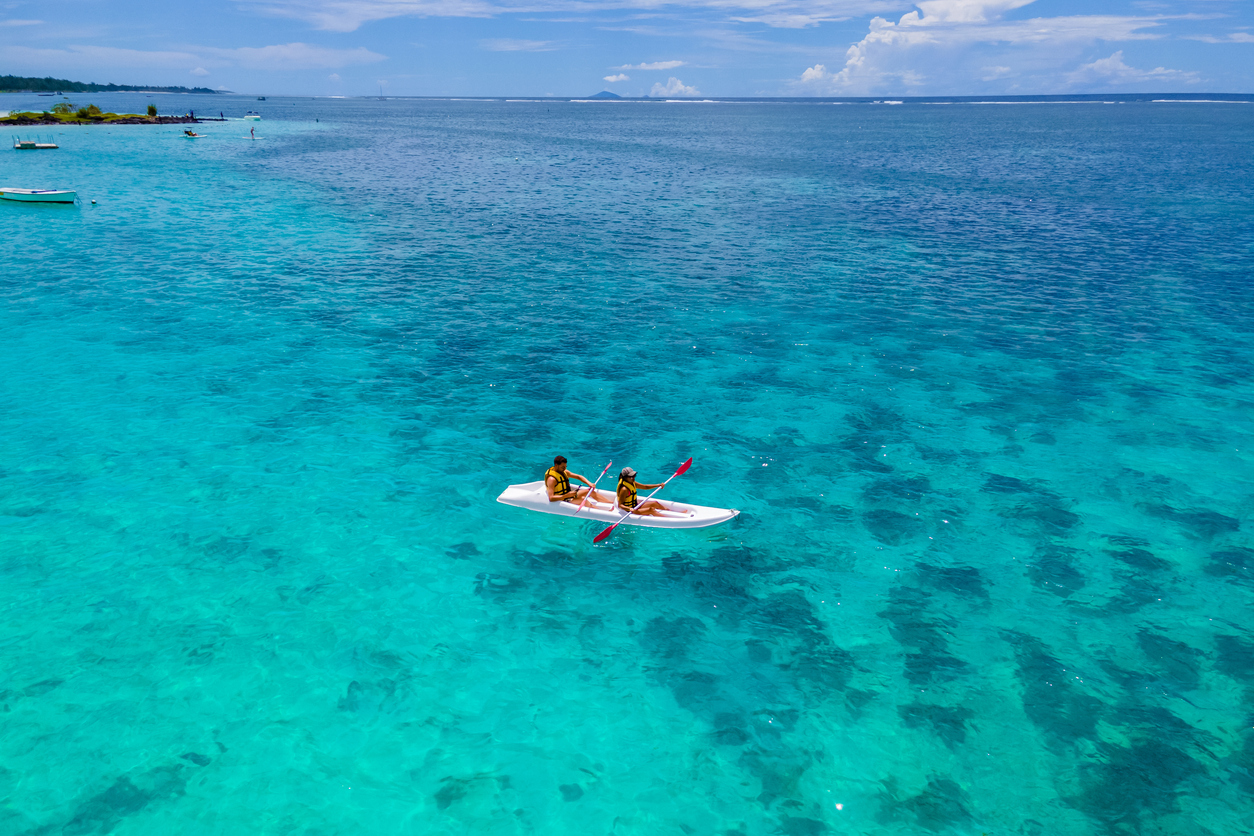
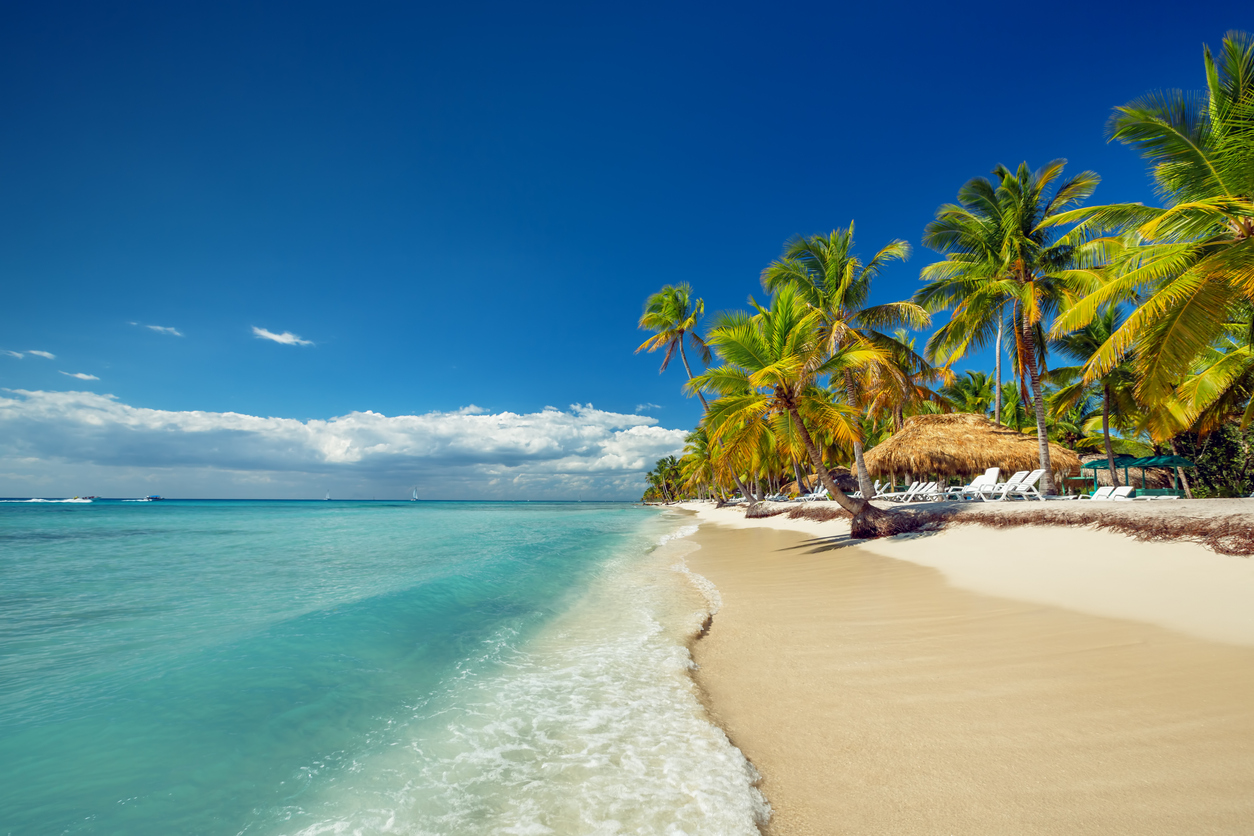
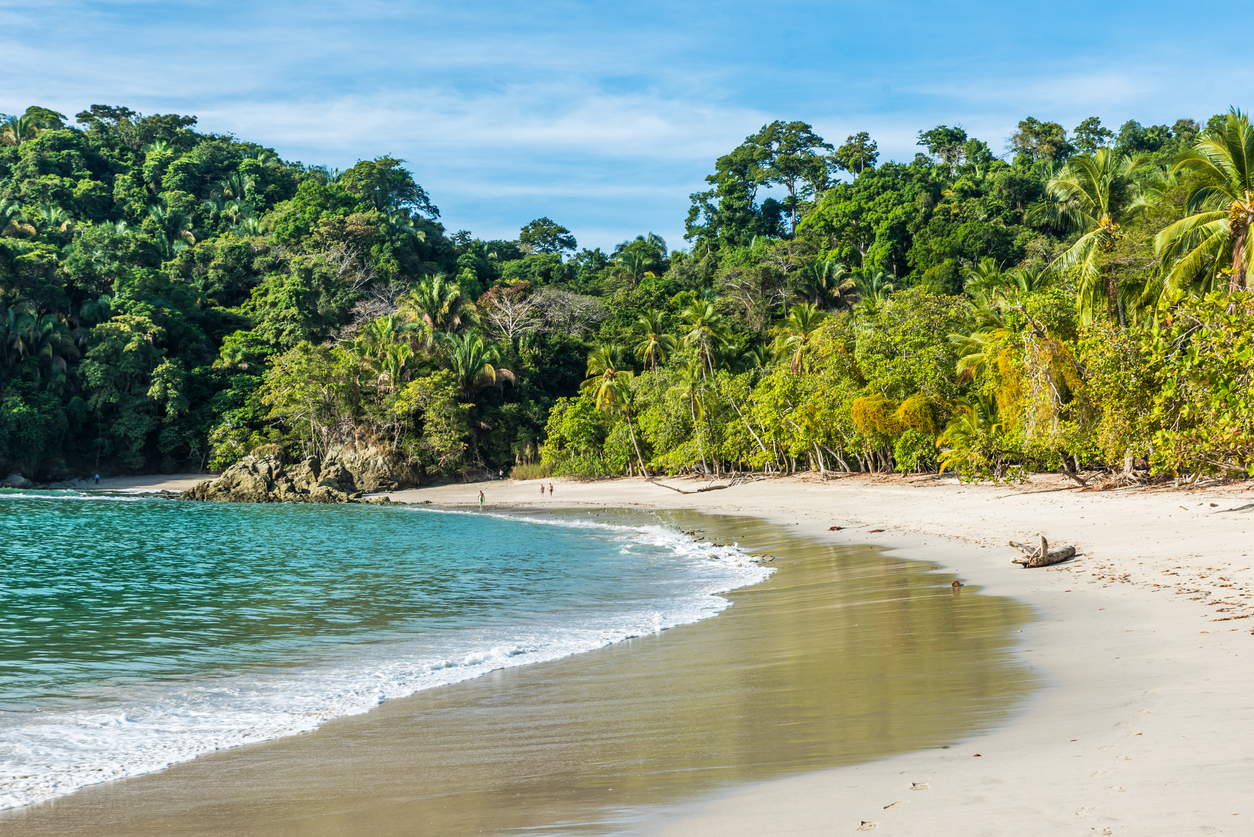

As counsellors, we tend to guide our students towards favoured study abroad destinations, such as the US, UK, Australia and Canada. But in today’s evolving global education landscape, alternative destinations are gaining momentum.
I encourage students to consider Mauritius: a safe, affordable, multicultural island with a pleasant climate, offering quality higher education in English. It also boasts vibrant student communities and offers a growing number of global university partnerships.
Having had a family member study in Mauritius, I have come to know it as a mix of city living and sun-kissed paradise, which promotes work-life balance. There are plenty of opportunities to immerse oneself in culture and to practise one’s faith.
This guide aims to equip counsellors with the practical knowledge to support students applying to study in Mauritius.
Applying to university in Mauritius: where to study
Mauritius has several reputable universities, attracting local and international students. The University of Mauritius and the University of Technology Mauritius are public universities, offering a variety of programmes, including engineering, business, IT, environmental science and hospitality.
The Open University of Mauritius provides flexible, distance-learning options. And private institutions, such as Amity Mauritius, offer international partnerships and curricula.
The application process
Applications to Mauritian universities are typically straightforward, but require careful preparation. Most universities use online application platforms, where students must upload certified transcripts, proof of English proficiency (IELTS or TOEFL may be requested) and sometimes a personal statement or recommendation letter.
Application deadlines vary but most universities have two intakes: in January/February and in August. Advise students to submit applications six to nine months in advance of the intake to allow time for visa processing and travel arrangements.
A practical tip for counsellors: advise students to keep copies of all submitted documents, to communicate clearly with admission offices via email and to remember that the time zone difference could mean a delay in any reply.
Applying for a visa
Once students are accepted to a Mauritian university, they receive the provisional acceptance letter required to begin the process of applying for a student visa. This involves submitting a valid passport, acceptance letter and proof of funds (approximately MUR 150,000 – equivalent to just under £2,500), and undergoing a medical examination.
Scholarships and funding opportunities
Mauritius offers several scholarships, including the Mauritius-Africa Scholarship Scheme, targeted at African Union and Commonwealth countries, as well as government merit-based grants. Some universities may also provide tuition-fee reductions or bursaries.
On arrival in Mauritius
On arrival, students will need to complete a permit application, register with the authorities and set up essentials, such as a bank account.
Encourage students to research cultural norms, campus safety and support services in advance, to ease their transition. Counsellors play a vital role here in preparing students emotionally and logistically for living abroad. We need to provide for the student holistically, supporting their social and emotional well-being and mental health alongside academic pursuits and admin processes.