Studying medicine in Romania: a guide
Romania has become a popular hub for students looking for an internationally recognised – and yet affordable – medical degree

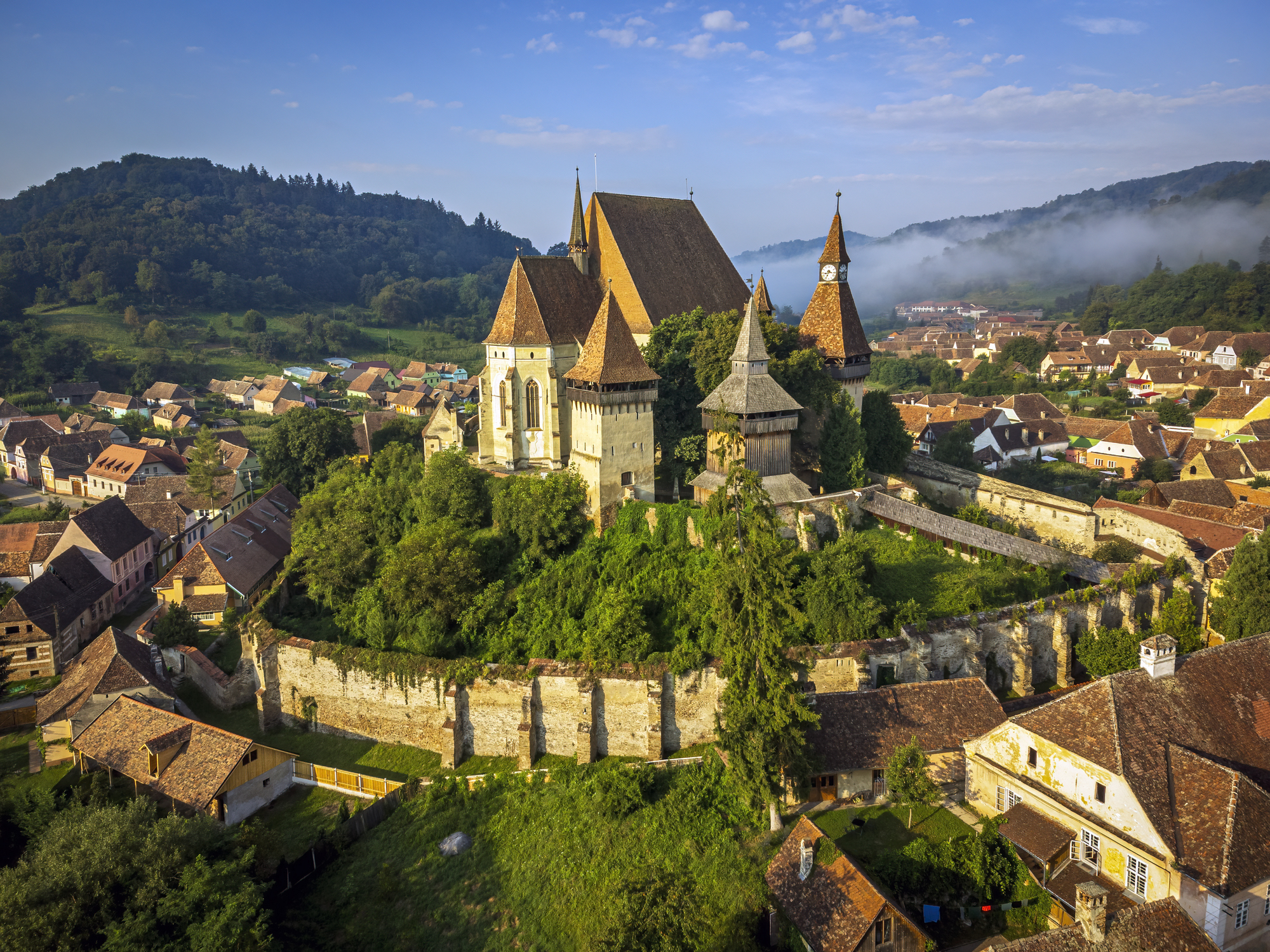


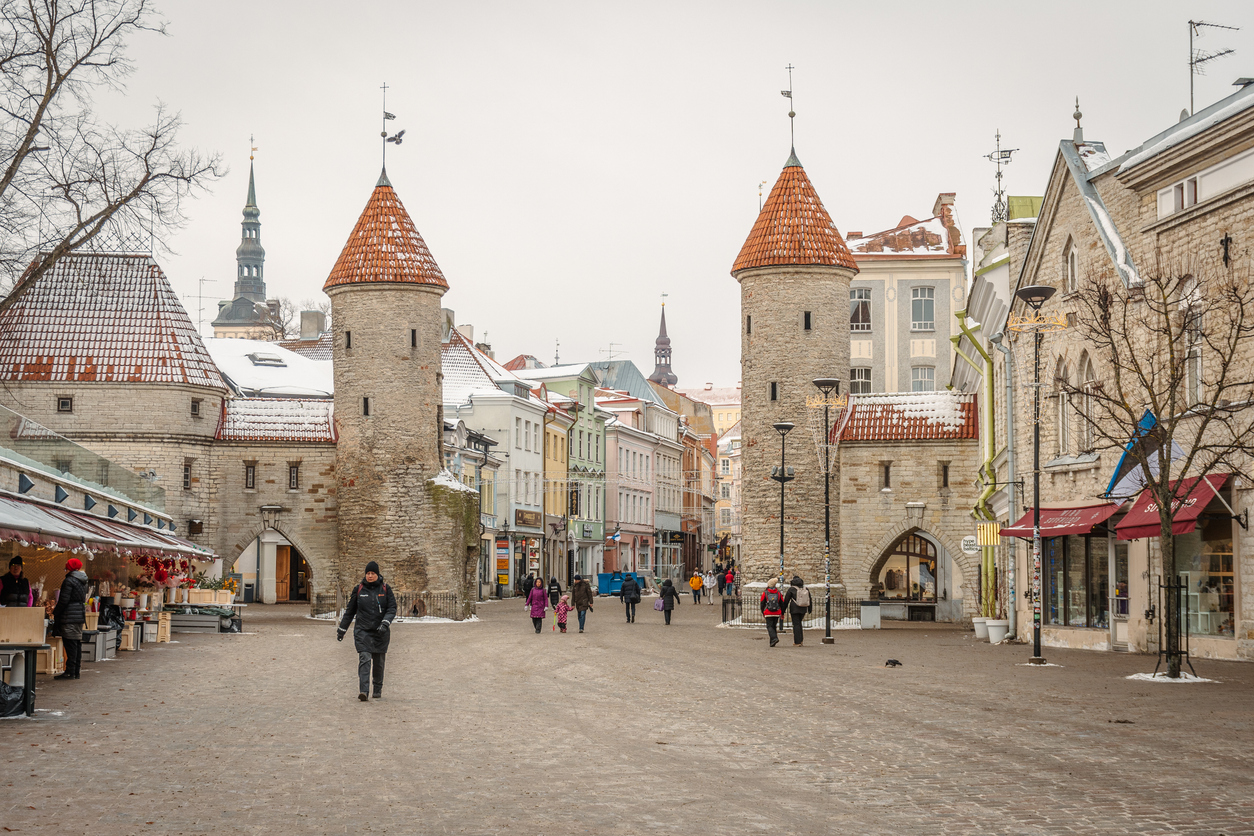

Romania has become one of Europe’s premier hubs for international students – and especially medical students. Offering high-quality training aligned with EU standards, degrees recognised worldwide and a much more affordable cost of living than in western European destinations, it is an excellent choice for students.
Where to study medicine in Romania
Romania has several prestigious dedicated universities of medicine and pharmacy that offer six-year doctor of medicine (MD) programmes, fully taught in English or French:
Carol Davila University of Medicine and Pharmacy, Bucharest: the oldest and most competitive medical school in the country.
Iuliu Hațieganu University of Medicine and Pharmacy, Cluj-Napoca: highly regarded for state-of-the-art facilities, with a massive international student community.
Grigore T. Popa University of Medicine and Pharmacy, Iași: known for excellent clinical rotations and an objective, file-based evaluation structure.
Victor Babeș University, Timișoara: a leading centre in western Romania, with a strong global research profile.
How to apply to university in Romania
Applications in Romania are submitted directly to each individual university via their respective institutional online portals. There is a two-step admission structure.
Step 1: university evaluation
The university reviews students’ academic and personal files. Some top-tier universities, such as Carol Davila, require an online interview. Lasting between 15 and 30 minutes, these interviews cover basic scientific topics and English-language proficiency. Other universities evaluate purely on high-school dossier scores.
Step 2: ministry approval
If the university accepts a student, they forward their file to the Romanian Ministry of Education. The ministry issues the definitive letter of acceptance to studies. Students cannot get a visa or enrol in a degree course without this official document.
The primary application window typically runs from early spring (March-April) through to mid-July. Non-refundable file-processing fees range from €300 to €500.
Documents needed to study in Romania
Applications to study medicine in Romania require intensive administrative preparation. Documents not originally in English, French or Romanian must be translated by a certified translator and legalised.
High-school diploma and transcripts: these must grant access to higher education in the student’s home country. Strong performance in biology and chemistry is heavily weighted.
Legalisation/apostille: depending on the student’s country of origin, their diplomas must be authenticated via The Hague apostille or super-legalised by the Ministry of Foreign Affairs and the Romanian embassy in their home country.
Language proficiency certificate: minimum B2 level (IELTS 6.5+, TOEFL 70+ or a Medium of Instruction certificate if students attended a high school where teaching was fully in English).
Medical certificate: a specific, formalised medical document stating that students do not suffer from contagious diseases or conditions incompatible with intense medical training.
Civil documents: certified copies and translations of birth certificate, passport (with a minimum of six months’ validity remaining), and four to six passport-sized photos.
Name-discrepancy statement: if a student’s name varies slightly between passport, birth certificate or diploma, it is mandatory to have a notarised statement of notoriety clarifying their identity.
Funding opportunities
While Romanian medical programmes are highly affordable compared with the US or UK, funding opportunities for the English-language tracks require careful navigation. There are some scholarship options:
Ministry of Foreign Affairs scholarships: the Romanian government offers annual full scholarships to non-EU citizens. These cover tuition and accommodation. However, there is a catch for medical students: these scholarships require study in the Romanian language. Recipients must complete a mandatory one-year Romanian-language preparatory course before starting their six-year medical degree.
Institutional merit scholarships: some universities offer partial tuition waivers or financial performance grants to top-performing international students who achieve the highest GPAs in their year once enrolled.
External self-funding and international loans: many students make use of national student-loan programmes from their home countries that recognise European medical schools or partner with authorised international medical-education boards.
Applying for a visa to study in Romania
If students are not EU/EEA citizens, they must apply for a type D/SD visa at the Romanian embassy or consulate general in their home country.
Key visa requirements:
Original letter of acceptance to studies: issued by the Romanian Ministry of Education.
Proof of full tuition payment: most universities require students to pay the first year's tuition (or at least a substantial deposit) upfront to validate the visa file. Medical tuition typically ranges from €6,000 to €10,000 per academic year for international programmes.
Proof of financial sufficiency: students must prove they have access to a minimum amount to support their stay – historically calculated against the national minimum wage, and roughly equivalent to maintaining at least €2,500–€3,000 in a bank account.
Proof of accommodation: a valid lease agreement, university-dorm housing certificate or a notarised host statement showing where the student will reside in Romania.
Clean criminal-record certificate issued by authorities in the student’s home country.
International health insurance, valid for the entire duration of the initial visa period.
The study visa is only valid for 90 days. Within students’ first 30 days of arrival in Romania, they must visit the Romanian Immigration Inspectorate to apply for a temporary residence permit (Permis de Ședere). This will be renewed annually for the six years of their medical degree.