Studying in Cambodia: a guide
Cambodia offers a rich and fascinating culture – and affordable and diverse higher education

Andrew Beecher

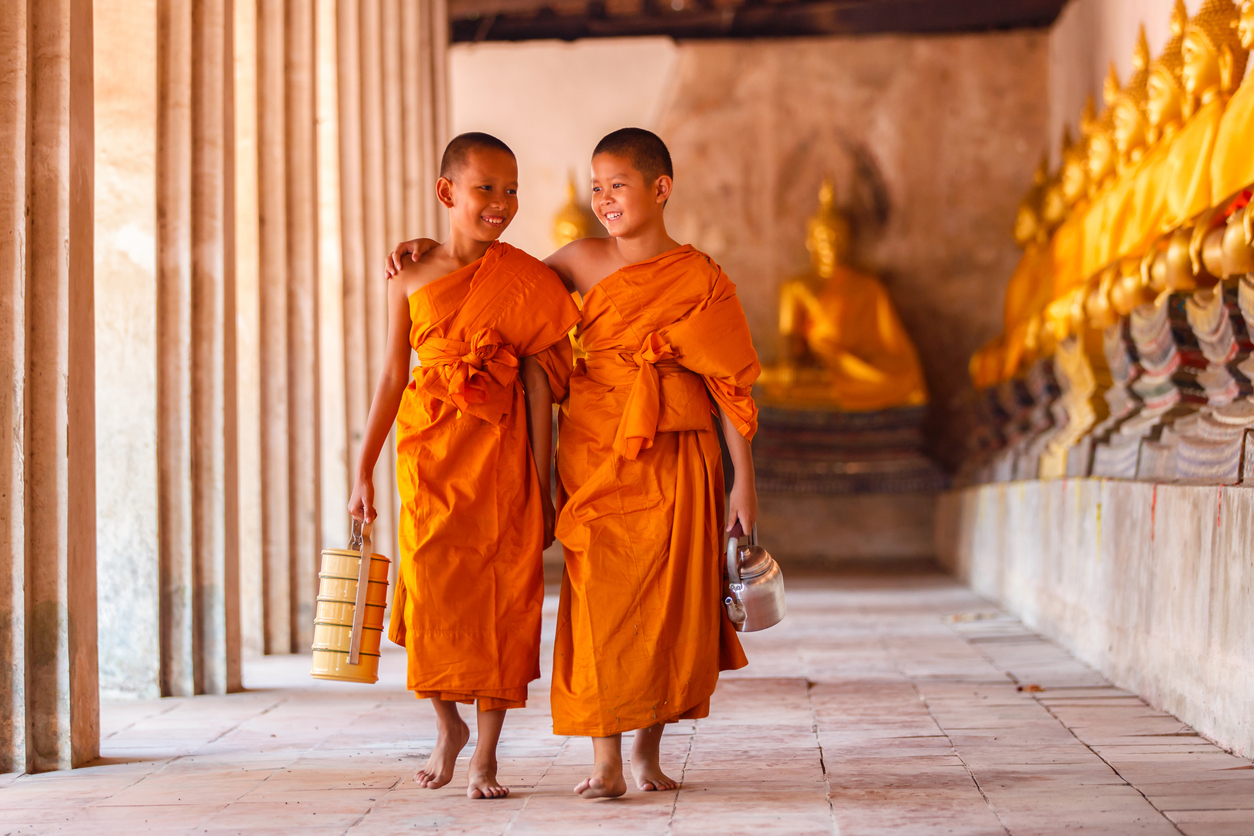
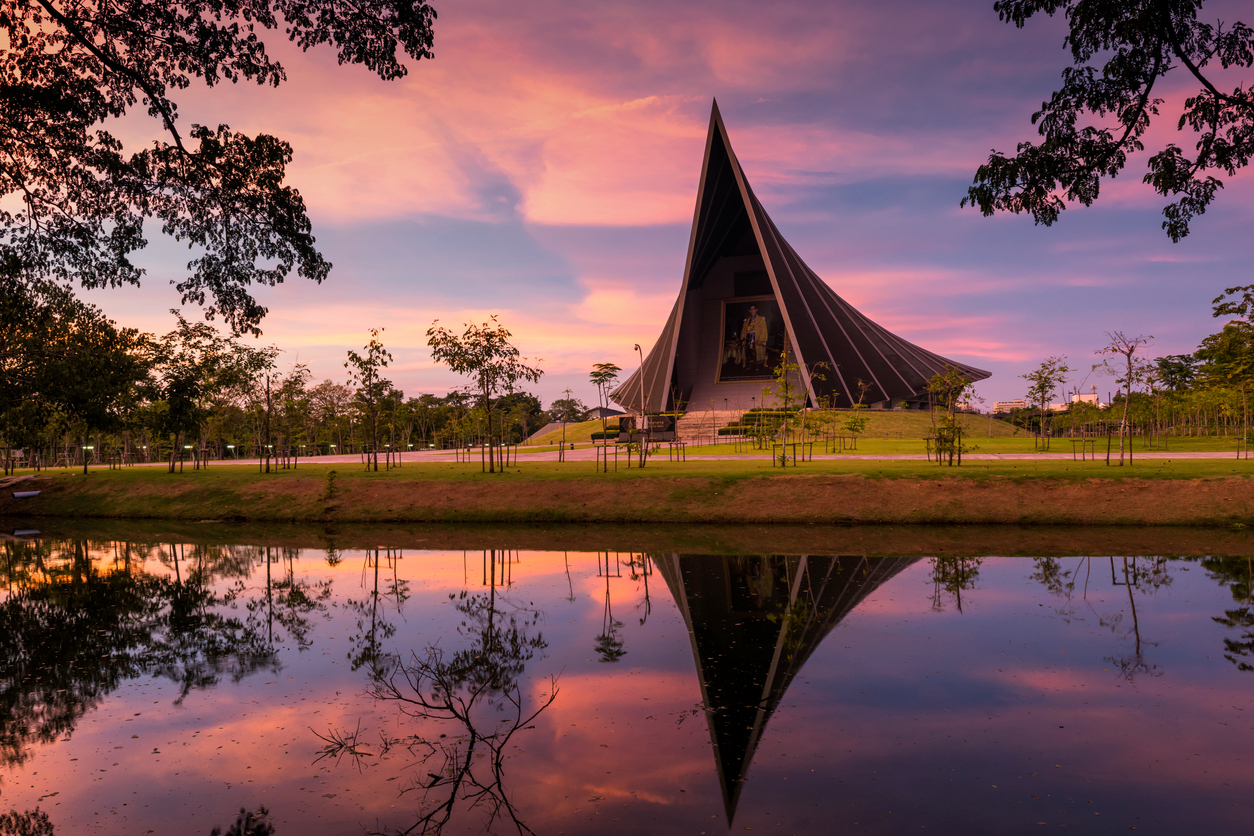



In recent years, Cambodia has become an attractive destination for international students seeking affordable higher education, cultural immersion and diverse academic programmes.
Understanding the application process, student visa requirements and funding opportunities is essential to navigate your way successfully into a Cambodian university.
Studying in Cambodia: choosing a university
Cambodia has 22 recognised universities. These fall into two categories: international and national.
International universities include:
- Paragon International University
- American University of Phnom Penh
- De Montfort University Cambodia
- International University
- Paññāsāstra University of Cambodia
- Cambodian Mekong University
National universities include:
- Royal University of Phnom Penh
- National University of Management
- Institute of Technology of Cambodia
- Royal University of Agriculture
- University of Health Sciences
- Royal University of Law and Economics
- National University of Battambang
- Svay Rieng University
Students should review the admission requirements on the relevant university website. Details may vary between institutions but most will require applicants to provide specific documents that demonstrate academic readiness and eligibility. Typically, these include: a completed application form, copies of academic transcripts and certificates translated into English or Khmer if necessary, a passport copy (with at least six months validity), passport-sized photographs and proof of English proficiency. Some universities also ask for a personal statement or letter of motivation.
The main academic intake is around August to October, and there is a second intake around January to March. Early application gives students more time to arrange travel plans, secure their visa and make housing arrangements.
Submitting an application
Once students have assembled the necessary documents, they should submit their application according to each university’s specific instructions. Many Cambodian universities accept online submissions, while others prefer applications by mail or in person.
Students may be invited to participate in an interview or to provide additional information if needed.
If an application is successful, the university will issue an official admission offer letter. This letter is critical not only to confirm acceptance but as a key document for the student visa application.
Applying for a student visa
To study legally in Cambodia, most international students are expected to obtain a student visa, known as an E-class visa.
The E-class visa initially grants a stay of a short period – often 30 days. It can then be extended inside Cambodia in increments of three, six or 12 months. Extensions are typically arranged with help from the university or a visa agent.
There are two common pathways to securing a student visa:
1. Pre-arrival application
Students may apply for a visa at a Cambodian embassy or consulate in their home country. This involves submitting an application form along with a letter of admission, passport, passport photos, proof of funds and medical insurance documents. Some embassies require applicants to visit in person to submit their application.
2. Visa on arrival and conversion
Many international students enter Cambodia on a tourist visa or temporary visa and convert to a student visa once they arrive. After entering Cambodia, their university’s international office can assist with the process of converting a visa. Many students prefer this approach because it is simple and flexible.
To apply, students will need to provide their letter of admission, valid passport, visa application form, passport photos and proof that they are financially about to support their education and living costs. Some immigration offices might also request evidence of return travel arrangements or health insurance.
Applying for funding and scholarships
For many international students, tuition fees and living expenses can present financial challenges. Fortunately, Cambodian universities and external organisations provide various scholarship and funding opportunities to mitigate these costs.
Several universities in Cambodia offer merit-based or need-based scholarships that cover part or all of your tuition. For example, the University of Cambodia offers partial scholarships to eligible students, with awards based on academic performance and financial need.
Other scholarships are available through government or international programmes, including Cambodian government scholarships for ASEAN students, Erasmus+ and development-agency scholarships that support student exchanges and joint degrees.
External scholarships may come from international NGOs, cultural foundations or country-specific scholarship schemes that fund study in Cambodia, particularly in fields related to development, education or public health. Researching and applying for these opportunities often requires students to prepare academic transcripts, letters of recommendation, a statement of purpose and proof of financial status or need.