How to cope with the overhaul of the Turkish university admissions system
This year, the regulations for international applications to Turkish universities changed significantly, causing profound stress and uncertainty for students and parents. Options were needed – fast
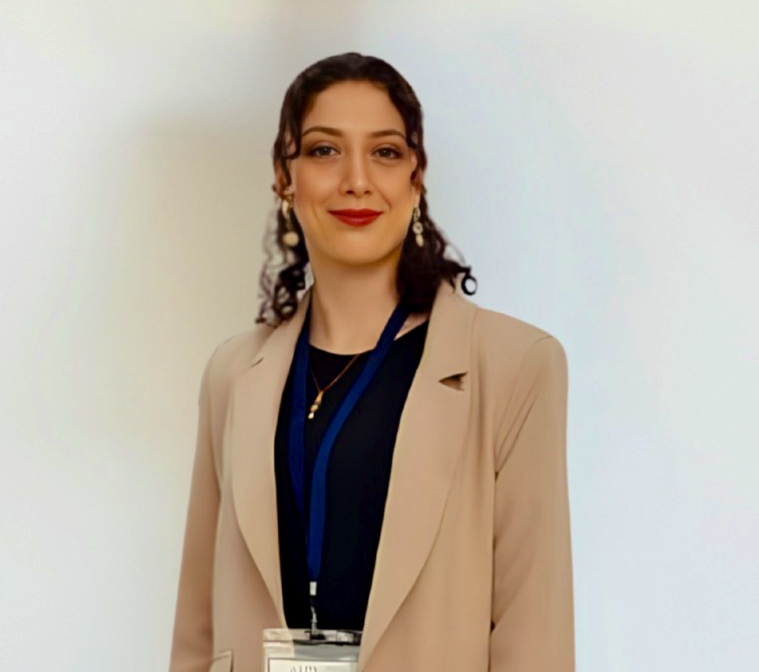
Busra Epozdemir





In the field of academic and career counselling, we often tell students that change is the only constant. However, when that change involves a sudden and fundamental shift in national entrance regulations, that maxim becomes disturbingly alive for them.
Currently in my eighth year of academic and career counselling at an international school in Istanbul – and my 12th year in the profession overall – I recently faced one of the most complex challenges of my career: a sudden overhaul of the student admission criteria by Turkey’s higher education ministry.
A crisis of uncertainty
For years, the pathway had been clear. Students graduating from international schools or those holding dual citizenship were eligible to apply to Turkish universities as international students, using criteria such as GPA, SAT scores, Toefl results and letters of recommendation.
With international student quotas set at 30 per cent even in national school types, this provided a predictable bridge to higher education.
This year, the regulations changed abruptly. The ministry decreed that dual citizens studying under a Turkish curriculum must now take the YKS (higher education institutions exam) – a national exam regarded as one of the most gruelling competitive assessments globally. Furthermore, the new rules suggested that any international student who had spent even a single semester in a Turkish school might lose their international status.
Because the regulations were released with significant ambiguity, universities began interpreting them inconsistently. Some rejected students based on a single year of Turkish schooling, while others maintained that only those who graduated from international schools remained eligible. For students and parents who had spent years preparing an international application portfolio, this created a state of high-level stress and profound lack of clarity.
The power of bespoke planning
To manage this crisis, I pivoted my counselling style to focus on bespoke, high-trust interventions. I categorised our student body into three groups, developing a tailored plan A and plan B for each student, to restore a sense of agency and security.
1. The national track: pivot to YKS
For students without options abroad, the priority was an immediate, realistic immersion in the YKS framework.
These students had never planned for this exam. I developed a comprehensive study guide, identifying which majors and universities were attainable and precisely what score ranges were required. I curated specific resources and books tailored to their current academic levels.
Crucially, I held intensive sessions with parents to manage their anxiety, providing them with a worst-case scenario analysis. By gaining their trust and grounding the exam in reality, we moved from panic to a structured preparation phase.
2. The dual-track group: the emotional safety net
The second group consisted of students who preferred Turkish universities but had the capacity for international applications.
For them, we prepared a plan B, focusing on the SAT. Because the SAT was a format they were already familiar with, maintaining this path served as an emotional anchor. Knowing that they had a second viable option allowed them to approach their national exam studies in a more relaxed and focused frame of mind.
3. The international risk-mitigation group
The third group faced the highest risk. These were international students who might be accepted by Turkish universities now, only to have their registration retroactively cancelled by the ministry later.
For these families, the strategy was “global first”. We focused on securing firm acceptances from high-ranking universities abroad, to provide a foundation of security. Simultaneously, we applied to Turkish private universities to hold a place, despite the financial risks involved. This approach gave them the power to wait for regulatory clarification without fear of being left without a university placement.
Lessons for the counselling community
Being the first generation to navigate new, unclear regulations is exhausting for counsellors, students and parents alike. However, I have found that power lies in action rather than stagnation.
My recommendation to fellow counsellors is to always play your chess moves several steps ahead. By developing robust plan A and plan B scenarios, you provide more than just academic advice: you provide a psychological safety net.
In times of systemic instability, our role is to translate confusion into options. When we offer a clear road map – even if the destination has shifted – we empower our students to feel secure in their future, regardless of what changes life brings to their doorstep.