

Transforming online MBA programmes to attract global learners


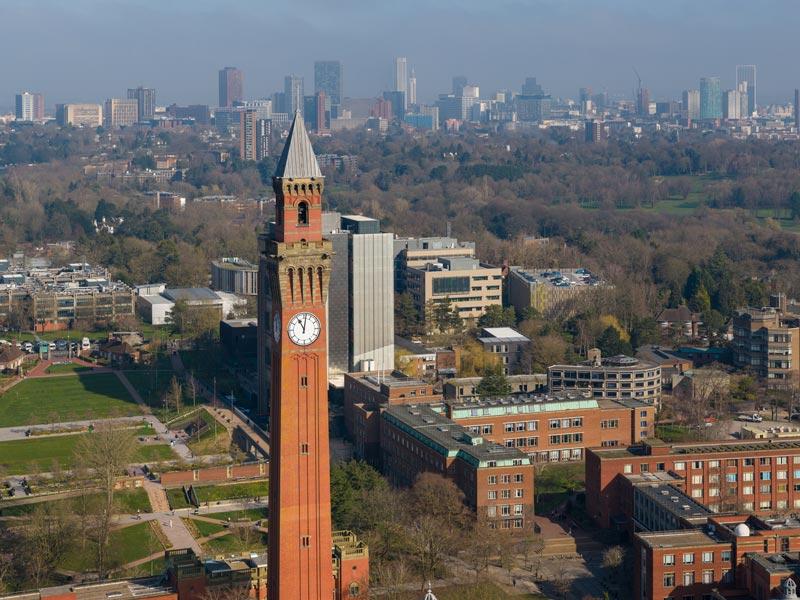

The University of Birmingham’s online MBA is one of its most popular programmes. The first fully online MBA to receive formal accreditation from the Association of MBAs, it has consistently gained popularity since its launch. However, the university continues to reshape the programme in response to rising competition and changing student and employer needs. A session, held in partnership with Risepoint, at the 2026 THE Digital Universities UK event, showcased insights into this transformation.
About a quarter of the University of Birmingham’s postgraduate students are enrolled in online programmes, said Kabir Ganguly, associate director of the University of Birmingham Online. The University of Birmingham partnered with Risepoint to develop its online portfolio and deliver high-quality online learning experiences. Since launching the online MBA a decade ago, it has remained one of the institution’s most successful programmes. “But success draws increased competition,” said Ganguly. “The competition has increased 50 per cent from 10 years ago, and we felt that we needed to respond to what students were looking for and what their expectations were.”
Claire Whittingham, vice-president of education services for EMEA at Risepoint, said that the company uses a range of insights to support its partners. Its Voice of the Online Learner survey, for example, reflects the opinions of approximately 3000 prospective, current and past university students from the UK and abroad. The findings highlighted that online learners are notably different from on-campus learners. “With Risepoint and the data that we had, we wanted to reflect on the curriculum and respond to student demands,” Ganguly said.
Most of these online learners are in their mid-30s, often with young children. They are particularly interested in the flexibility and affordability of online programmes. “The majority of them are still working while they’re pursuing a degree, and they’re pretty unanimously doing this for career-related outcomes,” Whittingham said.
The University of Birmingham Online used this data in discussions with its recruitment teams to redesign elements of its MBA programme, from the curriculum to support services. For example, the university introduced more career-connected modules, regular interactions with career advisors, real-world projects and practice-based assignments.
Flexibility is often an important requirement for online postgraduate students. To accommodate this, the programme duration was reduced from two and a half to two years. “They can show their employer or future employers their MBA qualification to hopefully progress a lot sooner than they would have with our previous programme,” Ganguly noted.
The programme offers three intake periods, enabling students to pause their studies if they need to. “With our multiple start points, they won’t have to wait until September to start,” explained Ganguly. The university also allows its MBA students to switch between online and in-person courses at the University’s campuses in Birmingham and Dubai. “We call it the One MBA now,” Ganguly said.
The programme refresh has led to a significant increase in enrolments. More importantly, students are continuing their studies. “Our retention rate tells us what we really need to know – 96 per cent of our students are retained on the programme, which is a remarkable achievement for an online programme.”
