
Delivering human-centric student support using technology


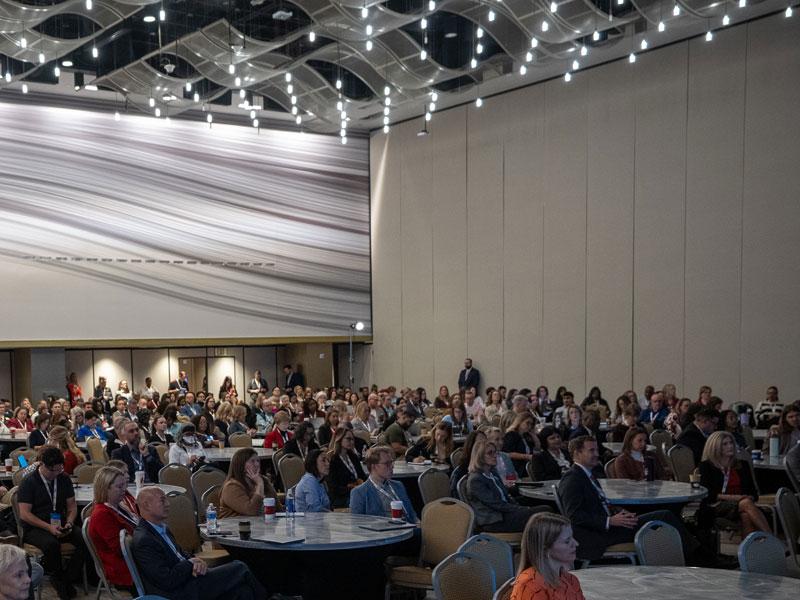

Adopting a learner-centric approach is essential to supporting modern learners, who value personalised and flexible learning pathways. A session, held in partnership with Boundless Learning at the 2025 THE Student Success US event, explored how combining proactive and reactive coaching, programme-specific communication, and data-driven insights can help institutions nurture learners and drive success.
“The learners are just like us – they are juggling life and work,” said Darlene Pittman, vice-president of global student success at Boundless Learning. “We have to continue to evolve to make sure we are meeting them where they need to be met.”
The Boundless Learning platform is designed to help higher education institutions understand and connect with learners. This mission is supported by a focus on increasing interpersonal connections between students and student success advisors.
Guidance from Boundless Learning has enabled partner organisations to improve engagement with prospective students. “We have adopted certain practices in collaboration with our partners where they have committed to holding webinars and course-specific learning events that are going to keep the learner interested at certain stages,” said Christopher Barley, vice-president of global enrolment services at Boundless Learning.
It continues to focus on increasing live contact to enhance relationship and rapport building, Pittman said. Technology is an important component in achieving this. Emails triggered at key points along the student journey are followed up with a phone call from Boundless Learning’s student success advisors to enhance retention.
Boundless Learning has bolstered this by paying attention to call content and quality. “We are focusing on organic conversations and rapport building,” Pittman said. This is helped by software that manages administrative tasks such as payment and registration reminders.
A data-fed and learner-led approach helps to pinpoint where Boundless Learning and its partner institutions’ efforts should be focused, explained Barley. “We have a strategy and advisory team that pulls together all the information, data and research with the academic partner and presents what gaps we find,” Barley said. Using an integrated customer relationship management system (CRM) allows all the tools at their disposal to work together, he added.
One of these tools is Medallia, a customer experience platform that measures student satisfaction and holds this information in one place. “The advisors can see everything,” Pittman said. They get alerts on low scores from the Medallia survey, which measures student satisfaction on a scale of zero to 10. “The advisor sees it in their CRM tool and can contact the student to find out what their concerns were, try to address them or escalate it up to the partner directly if need be,” she added.
In addition to personal feedback, Boundless Learning guides partners by analysing wider institutional data. Different teams evaluate course trends and inactive student populations, reporting back fortnightly. There are also quarterly reviews that evaluate activity such as weekly drop-out rates in classes and potential causes behind them. “We take that feedback to our partners. We work hand in hand to try to refresh the course and make it more learner-friendly,” Pittman said.
The speakers:
- Christopher Barley, vice-president of global enrolment services, Boundless Learning
- Darlene Pittman, vice-president of global student success, Boundless Learning
Find out more about Boundless Learning.
