
How engineering and management research at Bath is powering the UK's industrial strategy
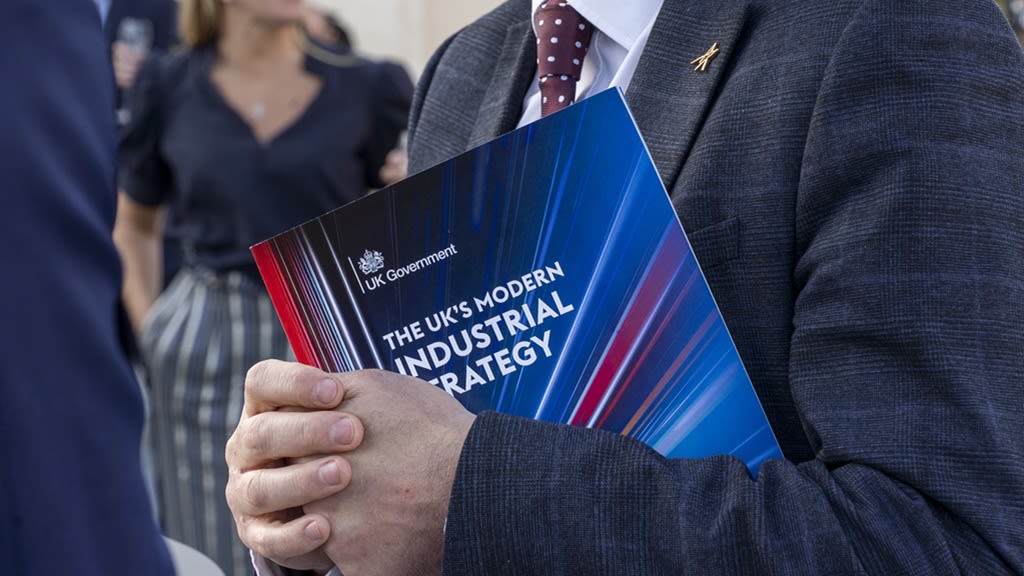
The UK’s modern industrial strategy, updated in June 2025, sets out a long-term plan to boost economic growth by investing in eight high-growth sectors, including clean energy, advanced manufacturing, and digital technologies. Central to this strategy is the role of universities in driving innovation, developing future skills, and supporting regional development.

Sponsored by

Sponsored by
At the University of Bath, engineering and management research is directly aligned with these national priorities. Through initiatives such as IAAPS, the Supergen Energy Networks Hub, and the Centre for People-Led Digitalisation, Bath is helping to accelerate the UK’s transition to net zero, strengthen industrial capabilities, and foster inclusive growth.
Discover how Bath’s engineering research is not only responding to the industrial strategy’s goals but actively shaping them through cutting-edge technologies, strategic partnerships, and a commitment to training the next generation of engineers and innovators.
IAAPS is developing skills to help meet net zero
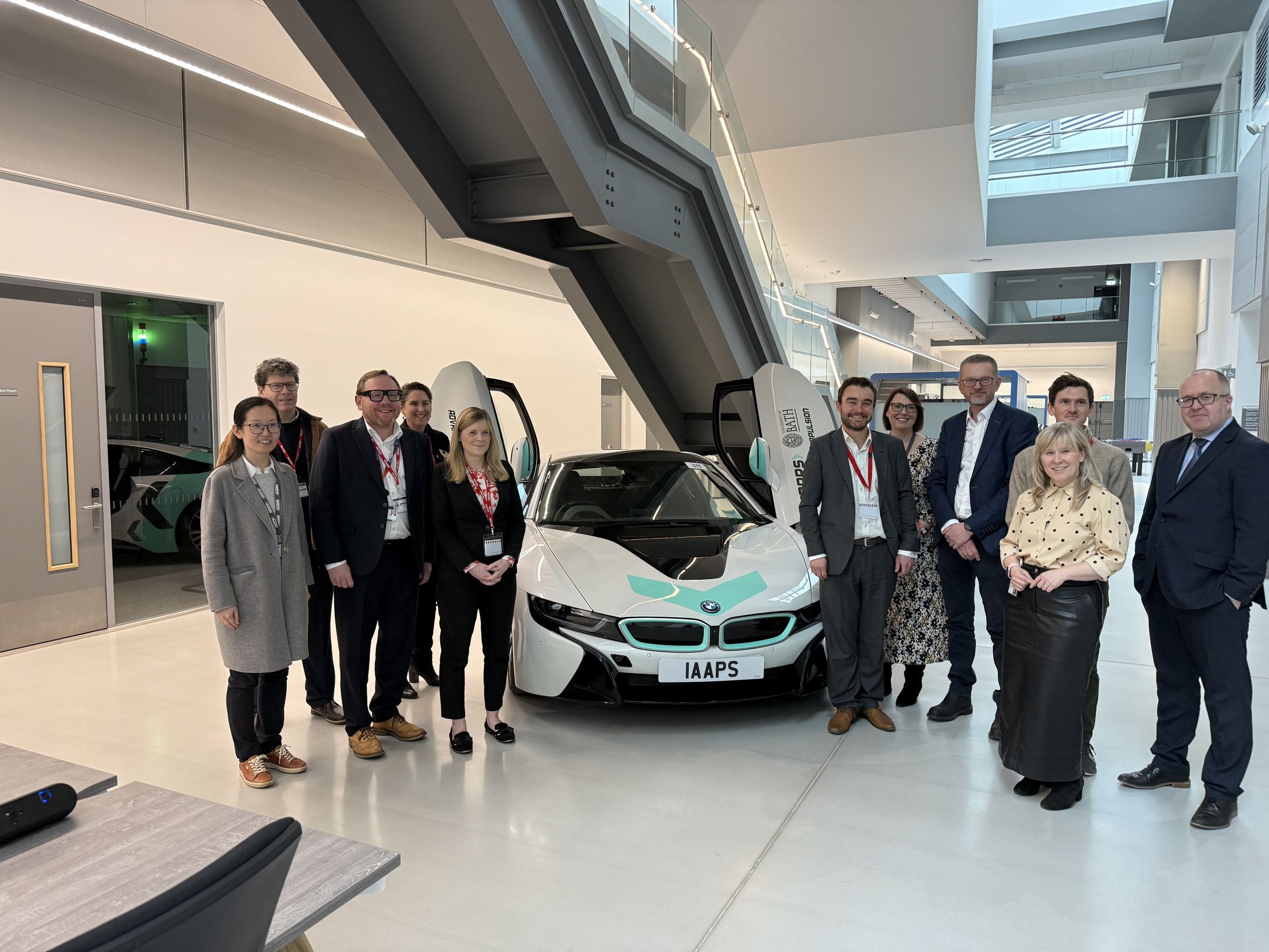
IAAPS is an inclusive, collaborative Institute and centre of excellence in sustainable propulsion systems and mobility, recognised internationally for its leadership in research, innovation, policy, and education. It is built on nearly 50 years of propulsion systems research and development at the University of Bath, drawing on the University’s strong industry links, and has a mission to lead the transition towards sustainable mobility for the benefit of society and industry, while also equipping tomorrow’s leaders with the knowledge and skills to take on the challenges of the future.
“Work through IAAPS and the wider activities in the Bristol and Bath Science Park represent real opportunities for the government both in terms of supporting economic growth and in helping the UK transition towards net zero.” Professor Phil Taylor, Vice-Chancellor and President, University of Bath.
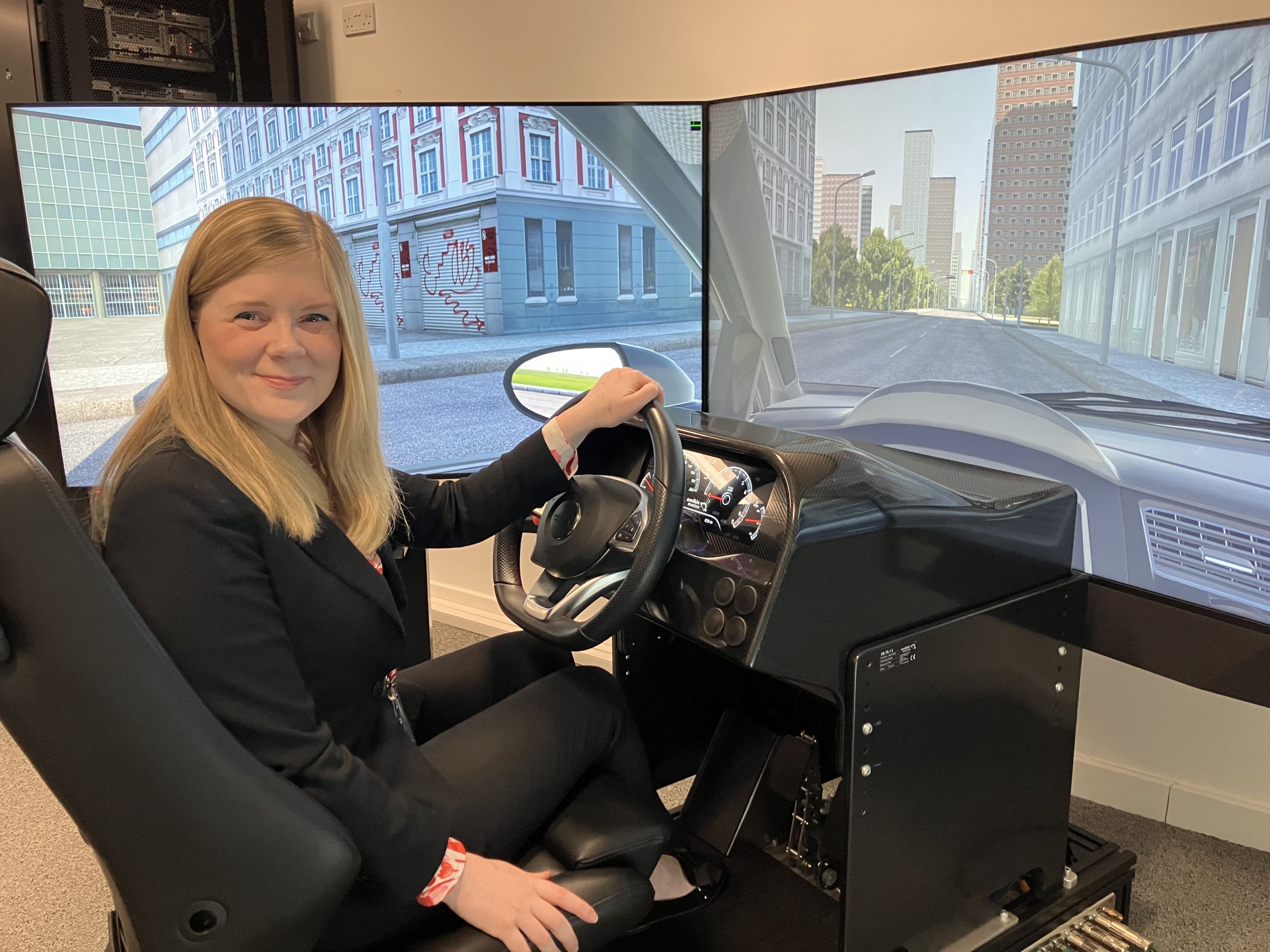
Member of Parliament for Filton and Bradley Stoke, and Bath graduate, Claire Hazelgrove, was given an insight into this work when she toured IAAPS in 2025. During her visit, she met students from AAPS – the EPSRC Centre for Doctoral Training in Advanced Automotive Propulsion Systems - which is training the next generation of engineers and transport specialists.
Since it launched in 2019, AAPS has trained 71 PhD students. Working with and alongside industry, the programme equips doctoral students from diverse academic disciplines with the skills and knowledge to drive innovation in clean, sustainable, and affordable transportation.
Commenting on her visit Claire Hazelgrove MP said: "It was a pleasure to visit IAAPS to see the ground-breaking work the innovative team are doing in helping the transport industry get to net zero – including shaping the future of flight. The type of innovation and collaboration we see here at IAAPS, bringing together industry, enterprise and academia, is key to making headway on this - one of the biggest challenges we face today."