
How Bath research is making sport more inclusive
The University of Bath has a rich and inclusive sporting heritage: the first university to establish sport scholarships, the home of the first University-based Olympic champion; the first University team to reach the first round of the men’s FA Cup since 1880. Over its 60-year history, Bath has offered sport for all.

Sponsored by

Sponsored by
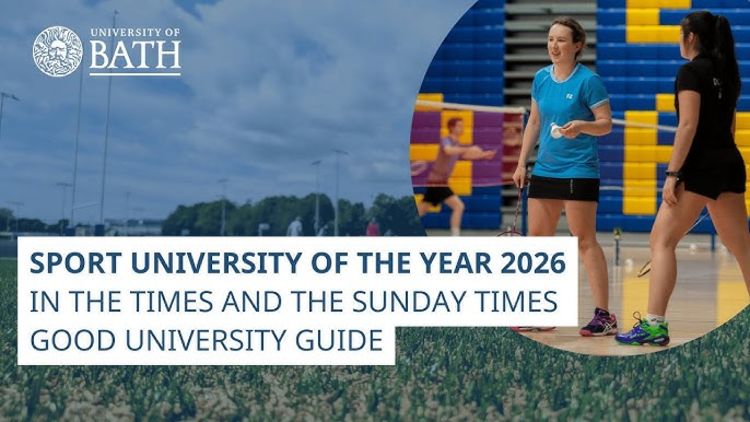
Each year, over 1.5 million people visit its Sports Training Village, from Olympic-level athletes to the 5,000 pupils from schools. This commitment to inclusivity was recognised earlier this year as the Times and The Sunday Times Good University Guide named Bath Sport University of the Year 2026.
This dedication to sporting inclusivity is exemplified in Bath’s pioneering research: bio-banding, biomechanics, innovative paralympic wheelchair designs, and our justice-oriented approach for women, young people, and marginalised groups in sport.
Through our sport research at Bath, we are making a huge impact on the lives of people worldwide and progressing positive policy change to help level the playing field.
Sport at the University of Bath at a glance
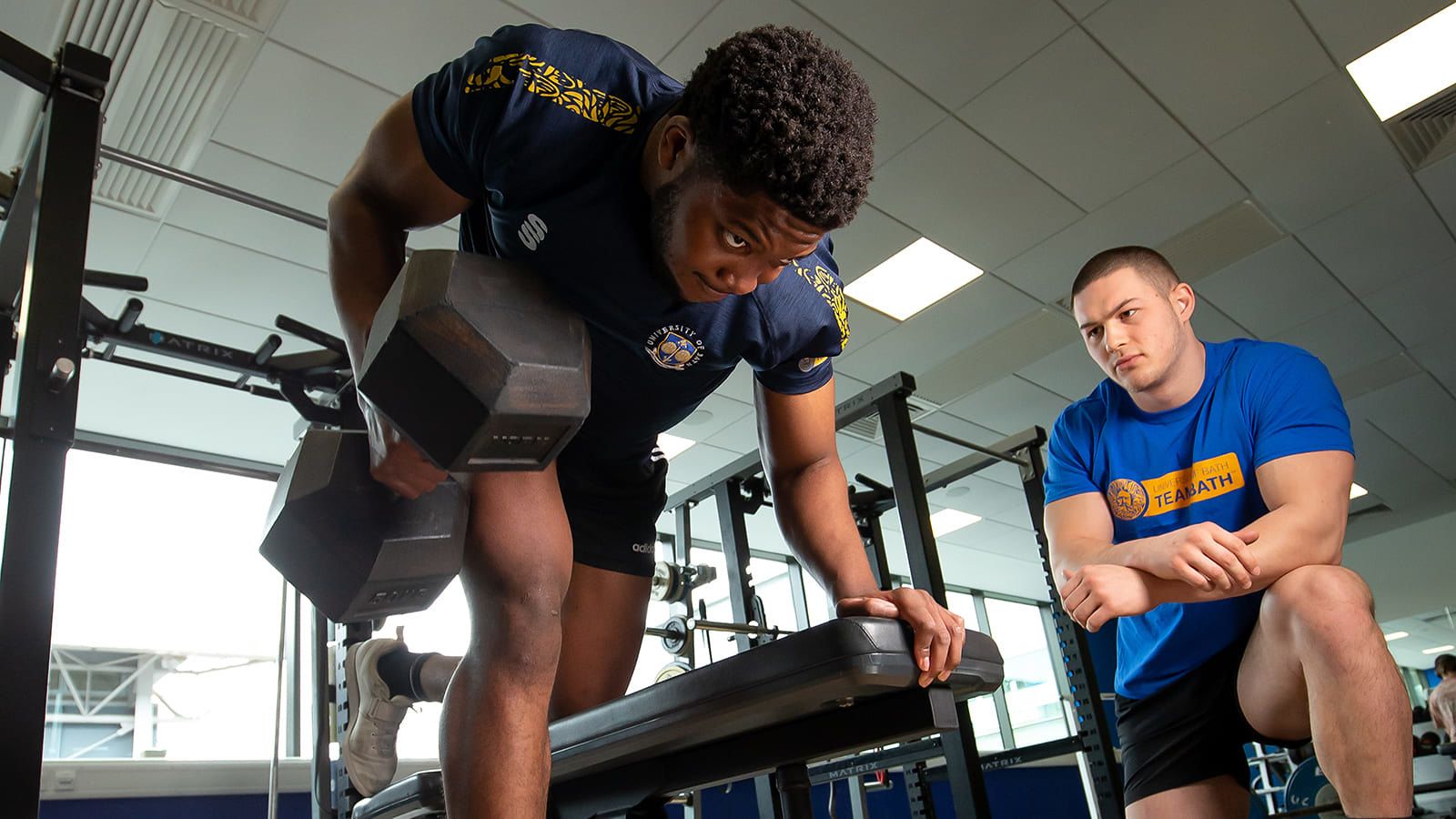
- Bath was ranked 12th in the QS World University Rankings by Subject for sports, benchmarked against more than 1,500 institutions worldwide. The University was also ranked 1st for Sports Science in the Guardian University Guide 2026
- 6,500 students are members of at least one of The SU's (SU’s) 56 Sports Clubs
- A Student Performance Sport Programme is helping 400 high-performing student-athletes, some have gone on to win medals and titles in the Olympics, World and European and National competitions
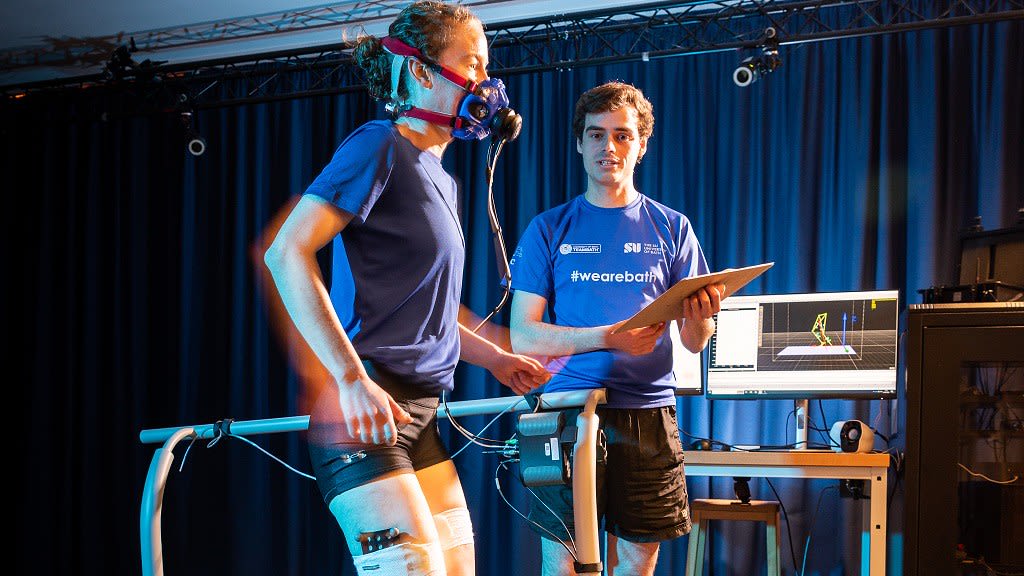
- As a UK Sport-accredited Elite Training Centre, Bath hosts 14 National Sporting & Professional Club Partnerships
- At the Paris 2024 Olympic and Paralympic Games, 17 Team Bath-associated athletes were medallists.
Bath research is transforming how football teams recruit and nurture young players
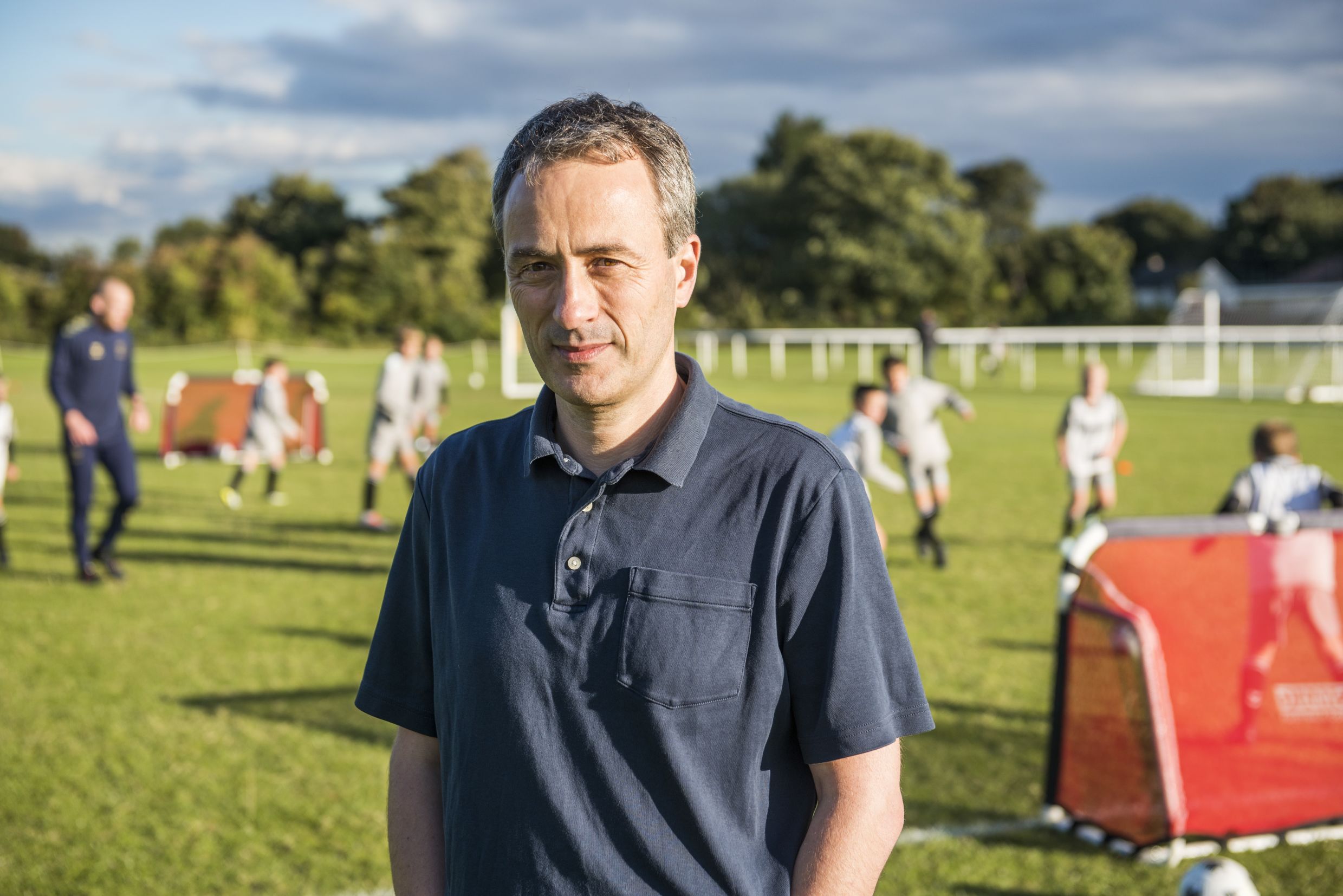
Sean Cumming
The University of Bath is leading the way to help transform how football teams recruit and nurture young players. When it comes to playing sport, young athletes are typically grouped according to their age. But, as children get older, there’s wide variation in how they grow and mature. Put simply, biological development often does not match chronological age. Find two 10-year-olds and it is highly likely that they will look very different from one another.
These differences in biological maturity can be as much as six years. That means that whilst some children mature early, growing bigger and getting quicker, others stay smaller for longer, maturing much later. Traditionally when it comes to sport, those later maturing small children often get left behind, overlooked in favour of their bigger, more dominant peers.

‘Academies are often populated by players who have simply matured earlier,’ says Professor Sean Cumming, lead researcher from the Department for Health, whose work on bio-banding alongside Dr Sean Williams has received global attention. “Grouping young sports players according to their biological maturity instead of their age helps create more equitable environments for all players to thrive - especially late developers, who are typically underrepresented.”
Commissioned by the Scottish Football Association (SFA), Sean's latest work in partnership with the University of Edinburgh is the most extensive growth and maturation study in world football, helping reshape talent development pathways for young players in Scotland. Published in the Journal of Sports Sciences, the study evaluated over 1,000 academy players in the Club Academy Scotland (CAS) system, making it the largest study of its kind examining both relative age and biological maturation.
“Only around 80% of boys were developmentally aligned with their calendar age. Some players in the same age group differed biologically by up to six years. This discrepancy can profoundly impact how players are perceived, selected, and coached." Steve Curnyn, Scottish FA PhD Researcher from the University of Bath.
“Our research demonstrated that late developing boys were less likely to be retained in Club Academy Scotland and were absent beyond 14 years of age. To put this in perspective, in 2024 there were more officially recorded sighting of the Loch Ness monster than there were of late developing boys in our oldest age groups (U15-U18). Professor Sean Cumming, University of Bath
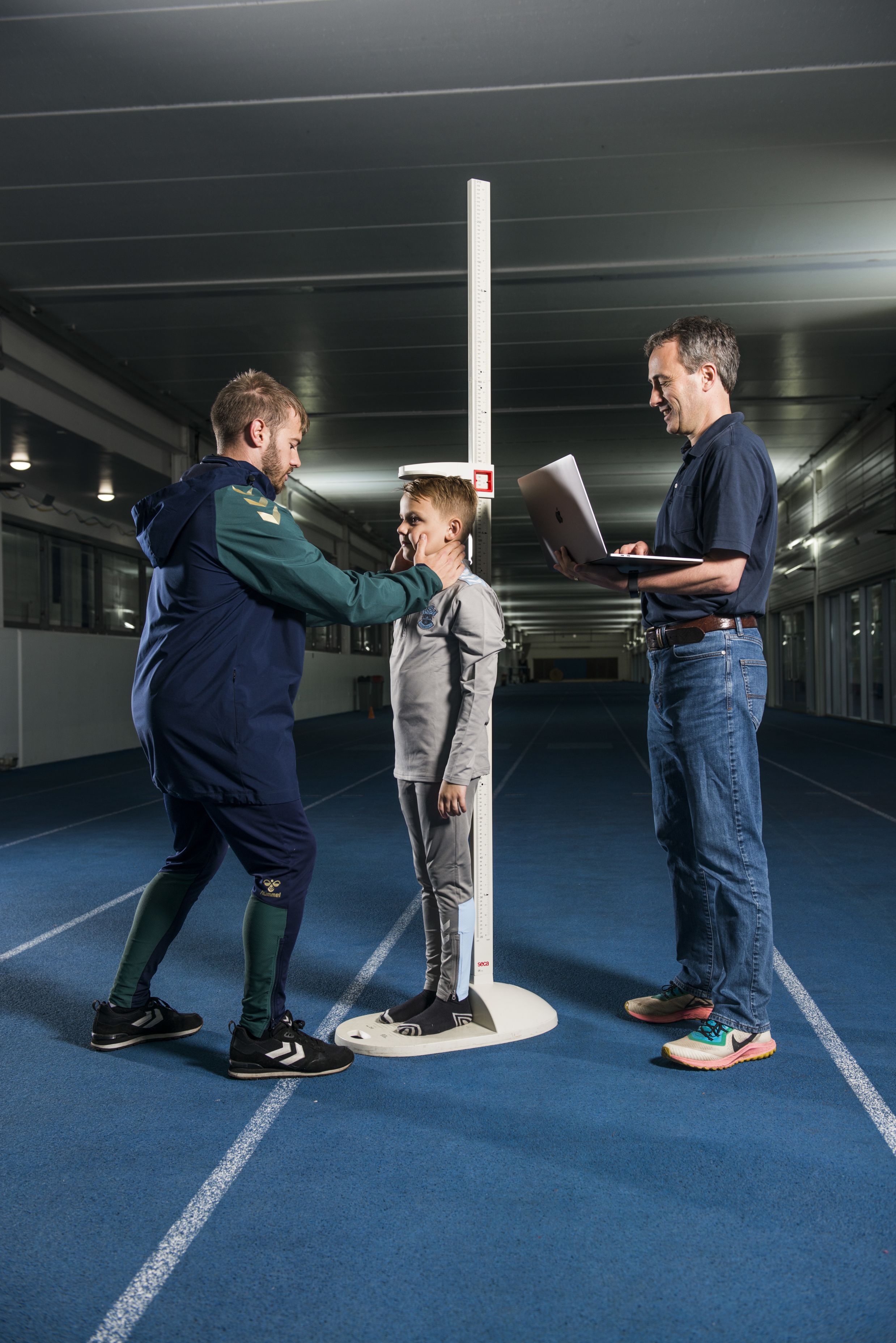
Based on the findings, the Scottish FA has introduced a pilot policy that increases flexibility for clubs to group players based on biological rather than chronological age. Furthermore, the University of Bath’s work will contribute to an upcoming strategic review of elite youth development within Scottish football, ensuring the findings inform future evidence-based policy and practice across academies and national programmes.
“The University of Bath’s expertise has provided us with an unprecedented insight into growth and maturation in elite youth football. We’re confident this research will have lasting impact not only in Scotland but across global talent pathways." Mark Leslie, Sports Science & Data Manager, Scottish FA

“When I was growing up I was an extremely late developer into my late teens. Manchester United were so good with nurturing me and giving me time to get my body in good shape to compete with fully grown men when that time came, but during my years of 15/16/17/18 I developed skills technically to use my body, to think quickly, to move the ball fast as I was physically not quick enough or strong enough so it helped me massively.
I am obsessed with improving so I found myself doing a lot of gym work, pitch work to get to the level or a proper footballer and have maintained the same discipline to this day. It’s good to see the Scottish FA are creating a system that helps players in a similar situation as me and allows them time to develop their potential.” Scott McTominay
Bath-designed fencing chair removes barriers to the sport
The University of Bath is home to the Wheelchair Fencing Training Centre and is the base for reigning double Paralympic champion Dimitri Coutya and Tokyo 2020 gold-medallist Piers Gilliver.
The pair have an impressive collection of medals between them. Piers – who has been based at the STV since 2015 – became Britain’s first Paralympic medallist for 24 years when he won Category A epee silver at Rio 2016. Dimitri joined Piers at Bath in 2017 and has gone on to win several accolades, not least two gold medals in Paris 2024.
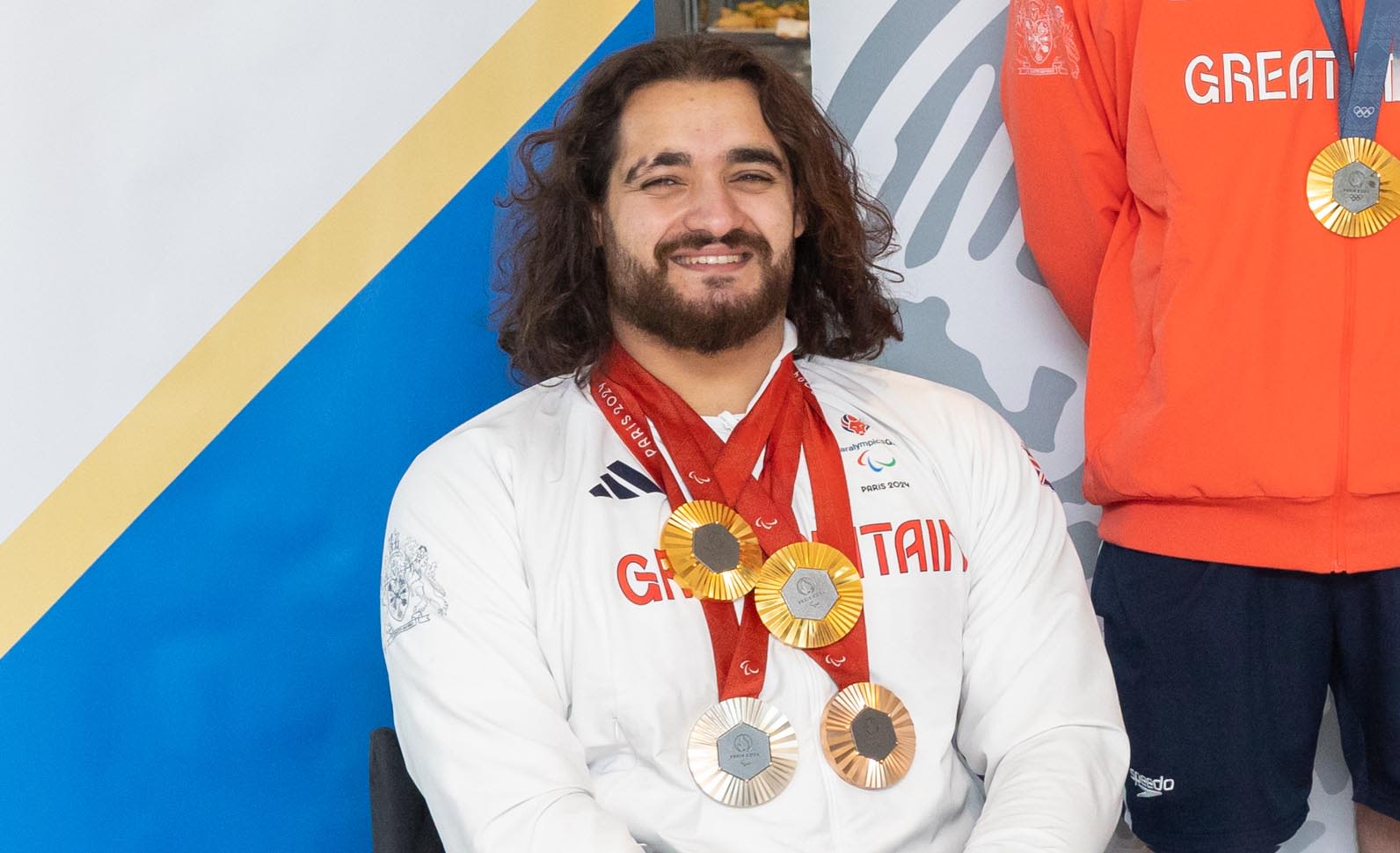
Dimitri-Coutya MBE
“I remember being in the Paralympic Village in Paris and taking a moment to reflect on how fortunate I was to be part of the University of Bath and how their support had helped me reach this unique environment,” he said. “The reason we have come back with so many medals is thanks to the work we do in the Team Bath Sports Training Village and the Wheelchair Fencing National Training Centre [opened in 2022] that we call home.” Dimitri Coutya
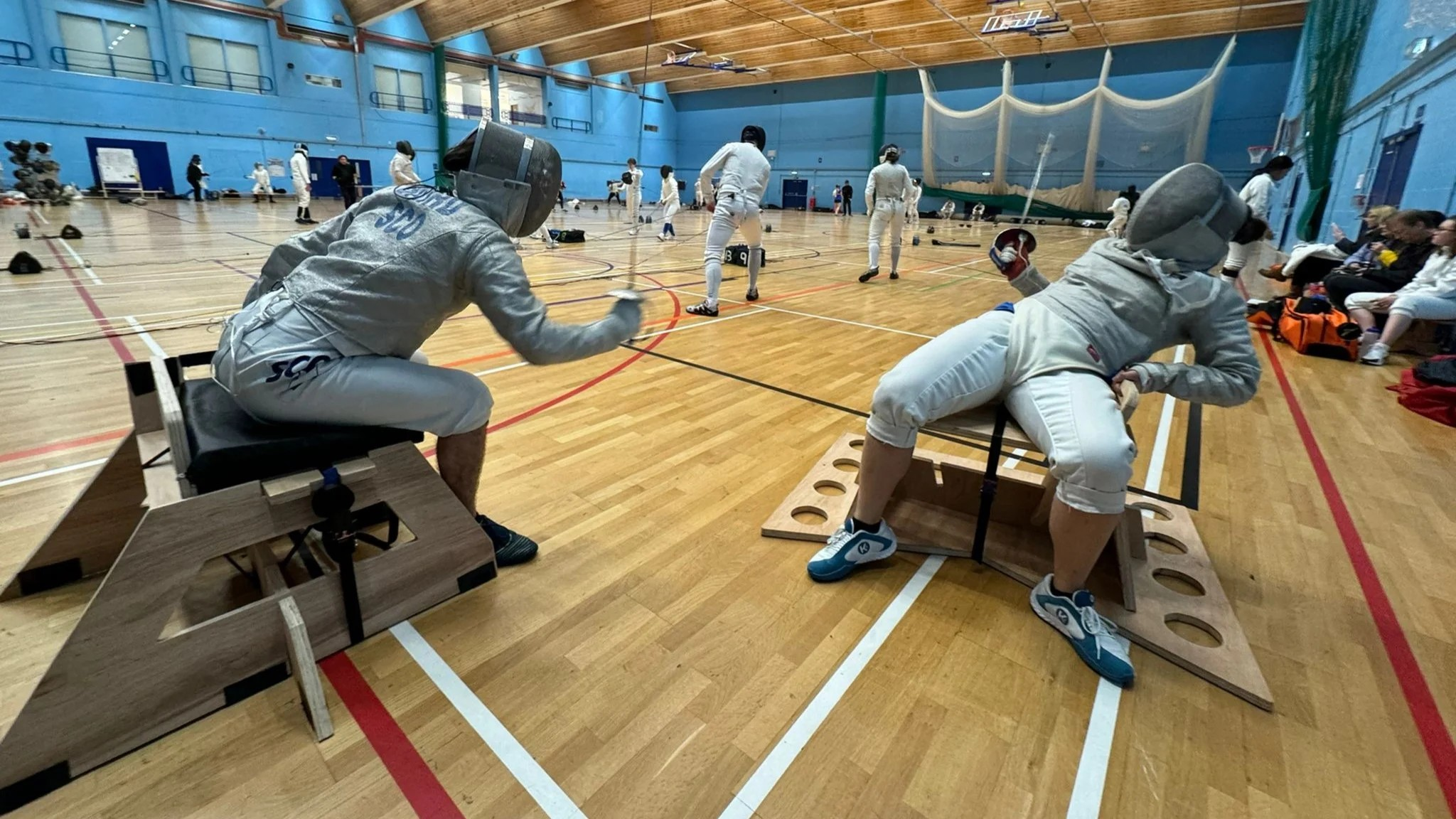
While Piers and Dimitri both benefit from a state-of-the-art training centre, there are barriers for those hoping to follow their path to Olympic glory. Only a handful of the UK’s 400 fencing clubs currently have wheelchair fencing rigs. They are expensive, bulky and require plenty of storage space. The whole set-up can cost between £8,000 and £15,000. However, research at the University to develop a wooden-frame chair could change all that.
Swordseat is an innovative project from British Fencing Inclusion Officer (Disability) Rick Rodgers and Dr Ed Elias, a Senior Lecturer in the University’s Department of Mechanical Engineering. Together, with student Conor Roberts, the trio have created a simple six-piece slot-together design which can be built using minimal tools for around £150 worth of plywood. The parts can be assembled in around one minute and strapped together with ratchet straps for vital rigidity or taken apart and flat-packed for easy transport. Ed describes it as an ‘Ikea-style’ piece of equipment. “It’s going to open up wheelchair fencing to many more people,” he adds.
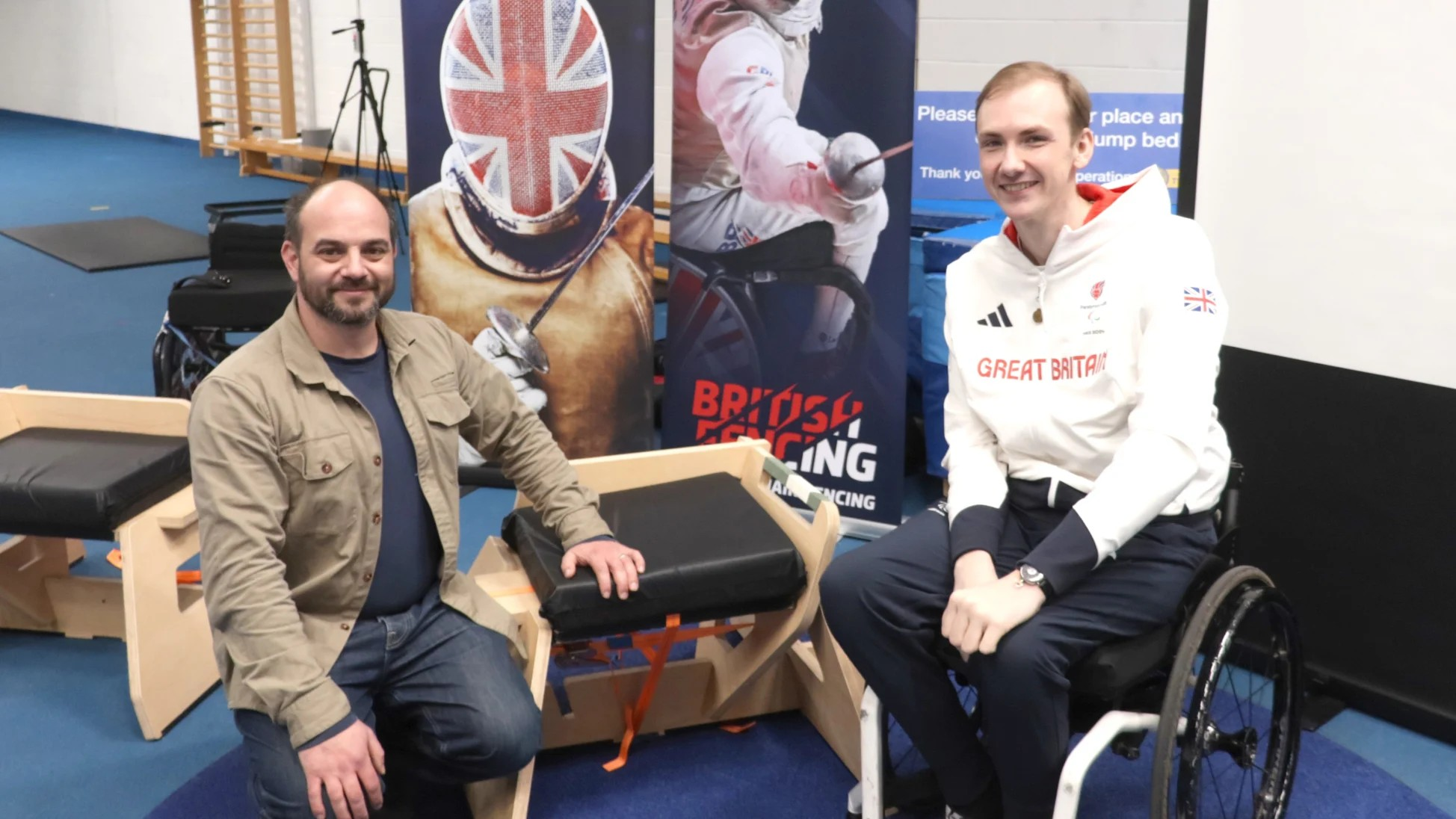
Launched in 2024 by British Fencing at the Team Bath Sports Training Village, the feedback from Piers and Dimitri was very positive. Gilliver, recalling the challenges he faced with equipment and accessibility when he first started wheelchair fencing, said: “The SwordSeat is a fantastic innovation. Something like this, which can be made with a simple piece of plywood and produced so cheaply, means more clubs can be welcoming to wheelchair fencers.”
“The SwordSeat is a fantastic way to remove some of the barriers to the sport. Equipment becomes much less of a problem and everyone now has the option to try wheelchair fencing.” Dimitra Coutya
Enhancing equality and social inclusion so sport is a better experience for all
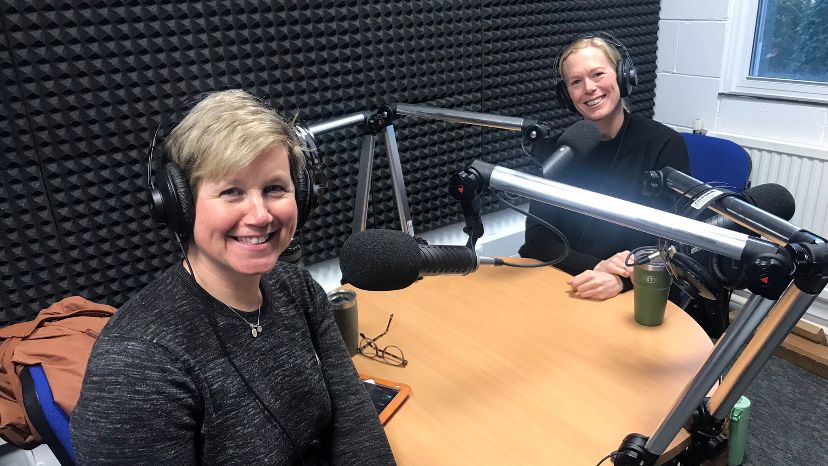
Professor Emma Rich (left) has spoken to a range of experts, including Professor Holly Thorpe from the University of Waikato (right), about different instances of social inequalities in sport.
The Centre for Sport, Physical Activity and Health Equality (SPHERE), led by Professor Emma Rich in the Department for Health at the University of Bath, promotes inclusive policy and practice across sport, physical activity and health settings.
Dr Sheree Bekker, Associate Professor in the Department and a member of the centre, specialises in feminist perspectives on sport and athleticism. She co-leads the Feminist Sport Lab, a gender-inclusive research lab for the application of feminist principles to sport.
“The Feminist Sport Lab works on a vision for the future of sport where everyone, regardless of gender, can participate and thrive. Our research challenges conventional wisdom that women’s athleticism is inferior to men’s - and then goes beyond both.” Dr Sheree Bekker
Speaking to Professor Emma Rich, SPHERE Centre Director on the SPHERE Podcast Series, Sheree explains how inequality in women’s sport leads to less funding, status, media coverage, and prize money, keeping women small. Flipping the script to show that it is sexism, not sex, that impacts women’s sporting success, her research on the gendered environment of sport has won international prizes for its global impact and team science. This research has been utilised by Football Australia in their Perform+ Injury Prevention Policy and Materials and has led to updated practice via the Fédération Internationale des Associations de Footballeurs Professionnels (FIFPro) Player Workload Monitoring Women’s Report.
The overall goal of the Feminist Sport Lab is to contribute to the implementation of changes that align with the shared goal of justice in and through sport, not only for women, but for people of all genders and everyone who is marginalised from sport. “What might sport look like in the future if we move away from gendered categories?” Sheree asks. “We are exploring ways in which we might reimage sport to make it a space that’s more inclusive for everybody and to make it a space that has feminist values at the core”.
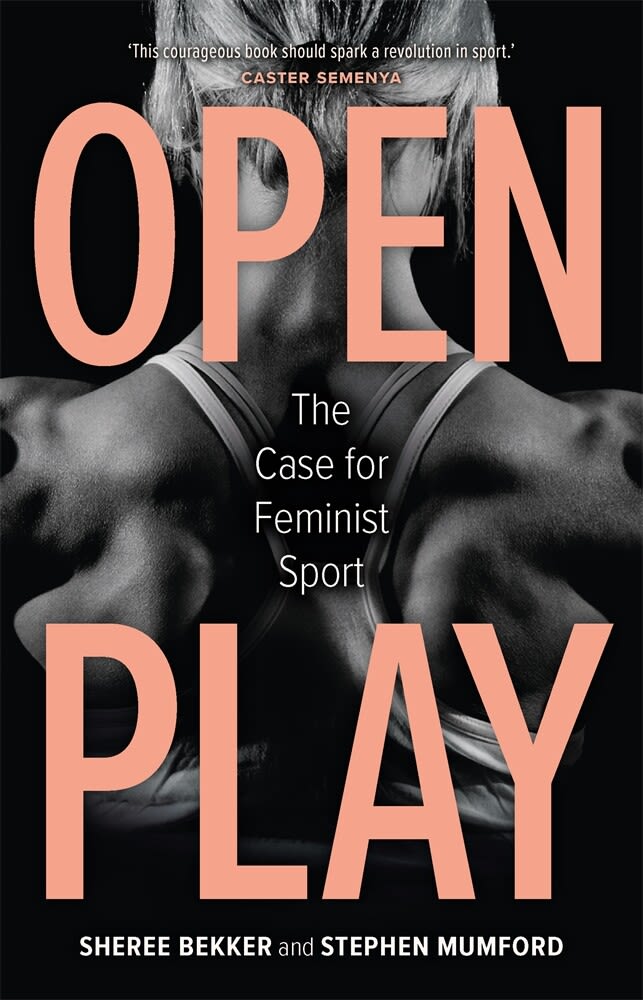
Her new book, Open Play: The Case for Feminist Sport explores these themes, and charts a way forward. Caster Semenya, Olympic and World Champion Athlete is quoted on the book's cover as saying:
“Imagine a world where anyone was free to reach their full potential playing the sport they love; where open competition replaced discrimination and exclusion, and where athletes were judged by their performances on the field rather than their conformity with gender norms. Sheree Bekker and Stephen Mumford show us how to get there, and how far we have to go. This courageous book should spark a revolution in sport.”
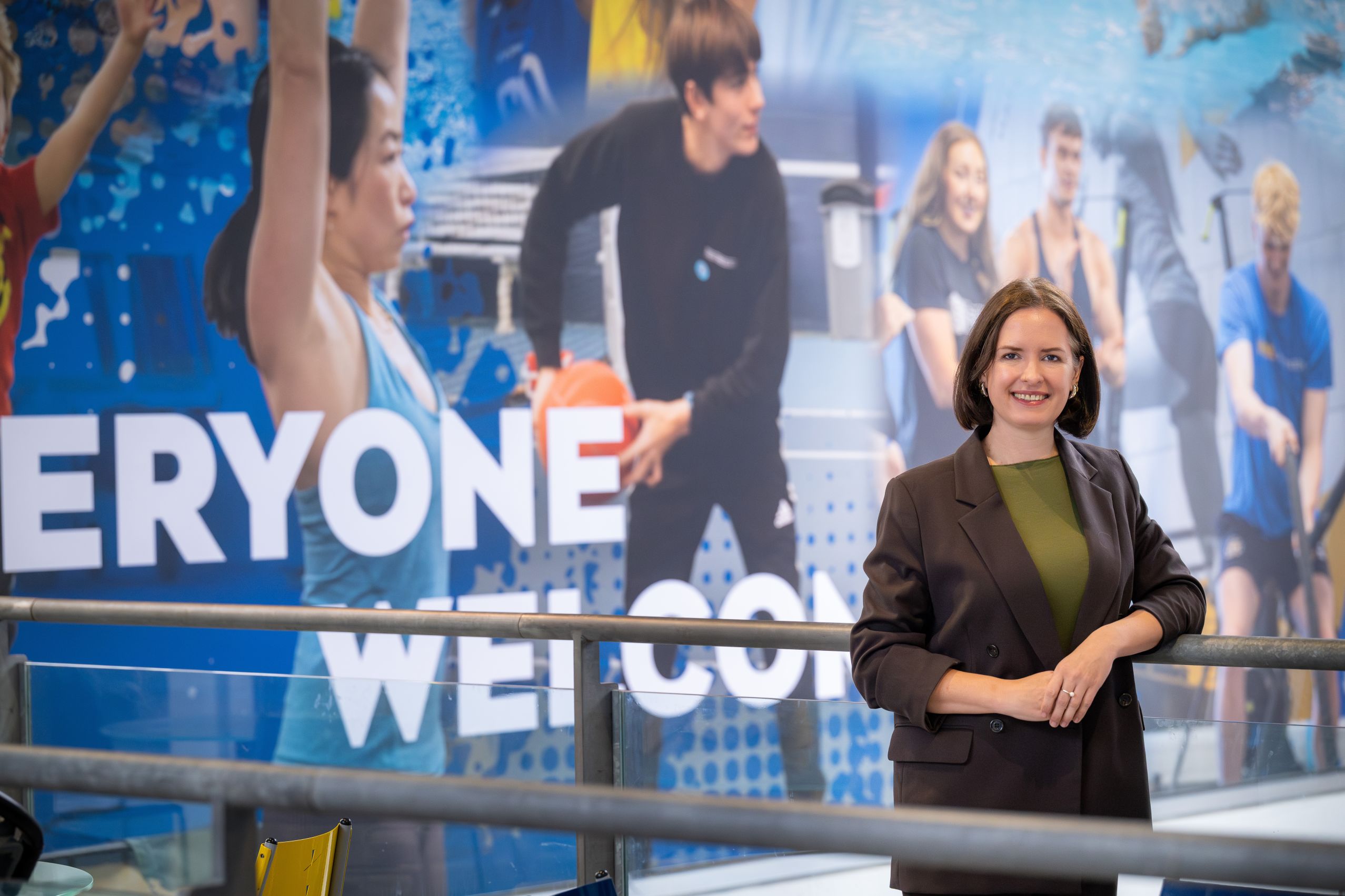
Dr Sheree Bekker
Another core member of SPHERE influencing policy with a justice-orientated approach within sport is Dr Haydn Morgan, Associate Professor and Senior Lecturer in Sports Management in the Department for Health. His research explores the connection between participation in sport and the enhancement of social inclusion within marginalised youth populations. He has produced reports for many industry clients, including The Commonwealth Games Federation, UK Sport, Sport England, Ministry of Justice, Comic Relief, Access Sport, the Welsh Rugby Union, and the Alliance of Sport in Criminal Justice.
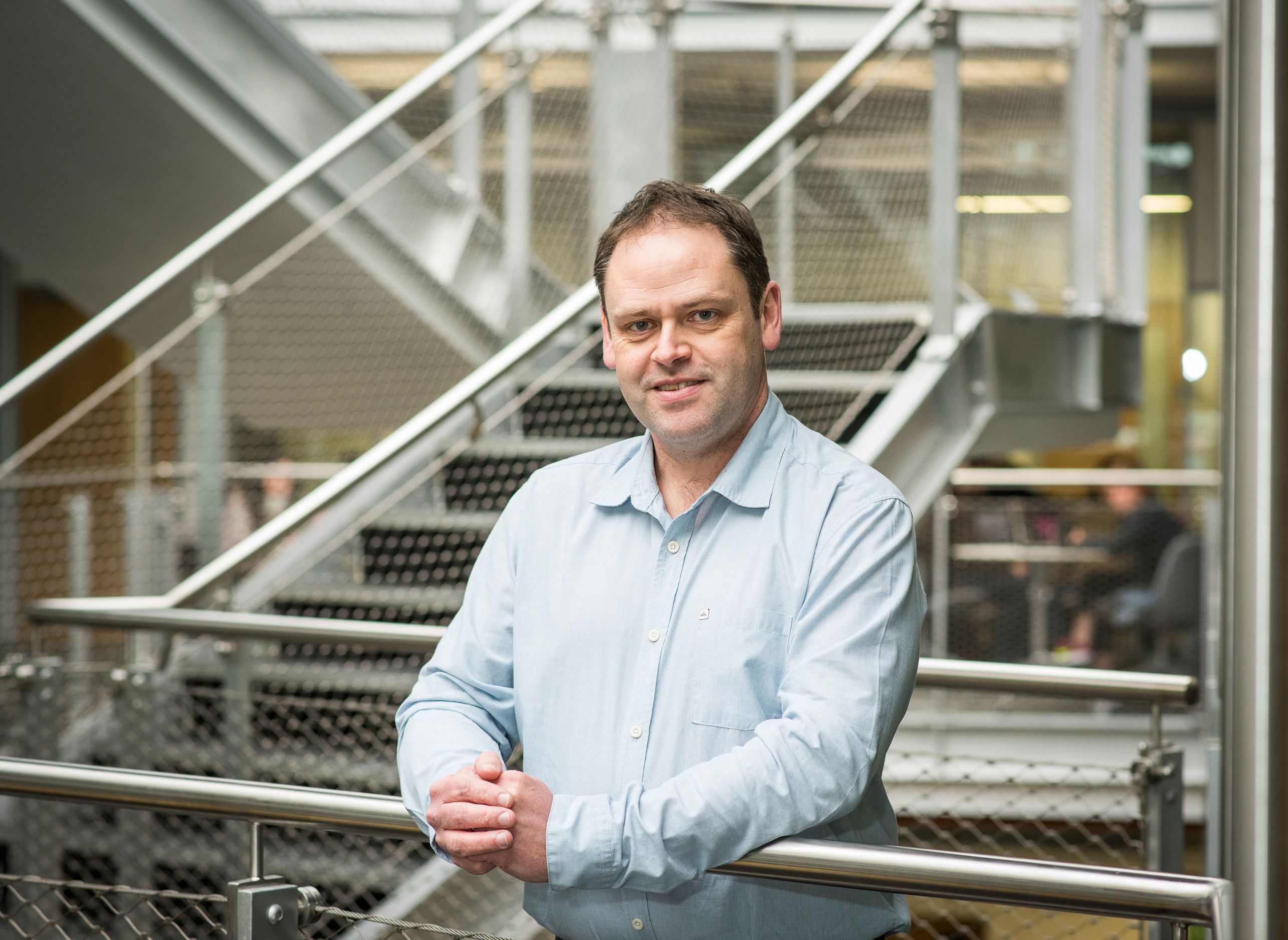
Dr Haydn Morgan
“Engagement with sport and physical activity is a vital tool to divert or prevent engagement with crime and anti-social behaviour for young people.” Dr Haydn Morgan
Haydn is currently leading a successful project in response to a request from the Duke of Edinburgh Award (DofE) for an evaluation, led by the Alliance of Sport in Criminal Justice, to better understand the impact of its Youth Justice Project. Notably, this project examines how engagement in the DofE enables positive change for children and young people in the community who have experience of the justice system or are vulnerable to reoffending. The evaluation is intended to inform policy and practice in relation to alternatives to custodial sentencing for young people, and support crime prevention and diversion initiatives.
His most recent work is for the Sport for Development Coalition, helping to inform public policy by demonstrating the potential impact of sport-based employability interventions on developing key skills for work and providing opportunities to secure and sustain employment. Sport, says Haydn, “can be a great enabler for young people to develop citizenship qualities, facilitate access into education, employment, and training which are vital to their sense of inclusion and well-being.”