
Thammasat University turns research into solutions for emergencies
Crisis management technologies ensure that Thailand is better prepared for future disasters
Sponsored by Thammasat University

Sponsored by
Sponsored by
Thammasat University has moved beyond traditional research to establish practical, deployable systems to help Thai communities in times of crisis.
In recent years, many countries around the world have struggled with disasters and emergencies, from the Covid-19 pandemic to earthquakes and extreme weather events. Thailand is no exception, and Thammasat University has developed innovative systems to strengthen public safety, ensure effective crisis management, and emphasise the core principle in any crisis – no person is left behind.
Active fault lines run through Thailand, putting the country and its residents at risk from earthquakes and seismic activity. However, there is a lack of localised monitoring data, making it difficult to assess risks and plan effective responses.
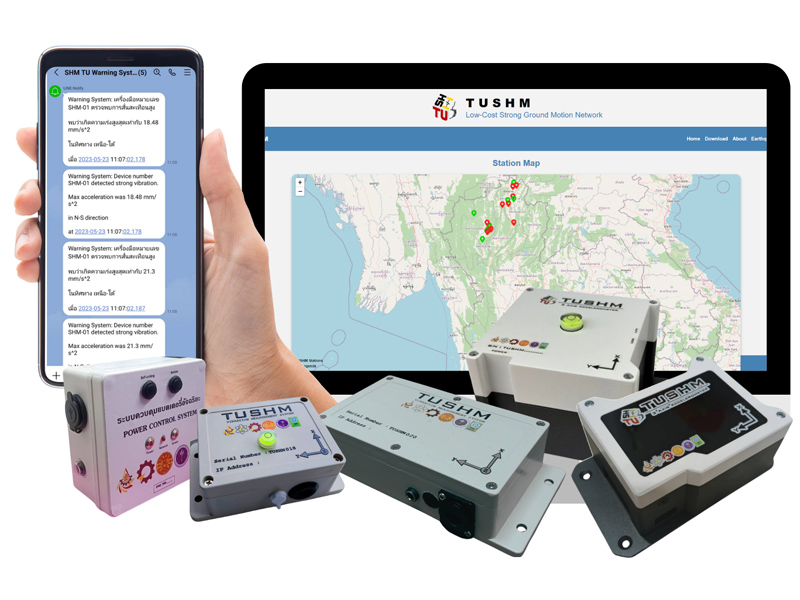
Researchers in Thammasat University’s School of Engineering have developed a system to detect seismic activity. The Thammasat University Structural Health Monitoring (TUSHM) system is a lightweight, portable device with low power consumption. Importantly, it is affordable, which means that it can be deployed across many high-risk areas.
When an earthquake strikes, the system detects ground vibrations, allowing for a rapid assessment of the event’s intensity and localised impact. This is particularly important for public properties. Officials often lack the means to assess whether these buildings are structurally sound in the immediate aftermath of an earthquake. The TUSHM system allows management to act quickly to ensure the safety of those in the properties.
The system can also be used to measure other environmental vibrations, such as traffic, strong winds and construction activities.
“The real-time monitoring data allows for proactive planning and risk mitigation, but it also serves as a critical foundation for enhancing structural engineering practices and updating building codes,” says Nakhorn Poovarodom, a lecturer at the university who co-developed the system.
For unsafe disaster sites, university researchers have built a system that creates a 3D laser scan of the area without putting people at risk. The system fires lasers to millions of points per second and immediately generates a 3D model of the targeted area.
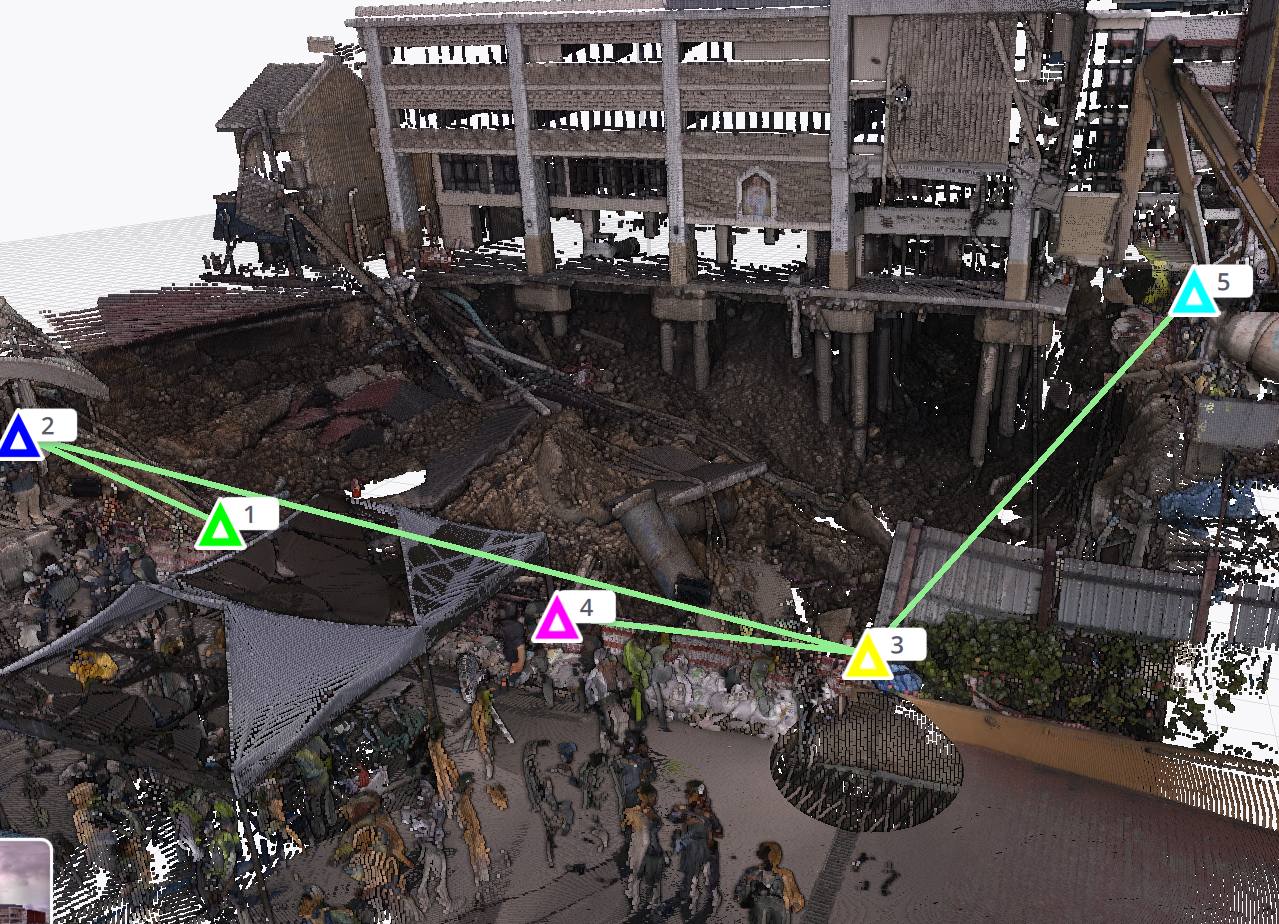
“The 3D laser scan technology reduces both the time and risk associated with physically entering potentially unsafe sites,” says Amorntep Jirasakjamroonsri, a lecturer at the university. “Recent events, such as the road collapse in front of Vachira Hospital, raised societal awareness regarding the critical need for technology that enables precise visibility of damage.”
One of the most important elements of crisis and disaster response is communication. This is why university researchers developed Emergency TU, an information and communications technology system. “The project stems from critical lessons learned during the Covid-19 pandemic, which highlighted the breakdown of assistance and coordination efforts when basic communications systems collapse,” says Watchara Amasiri, a lecturer at Thammasat University.
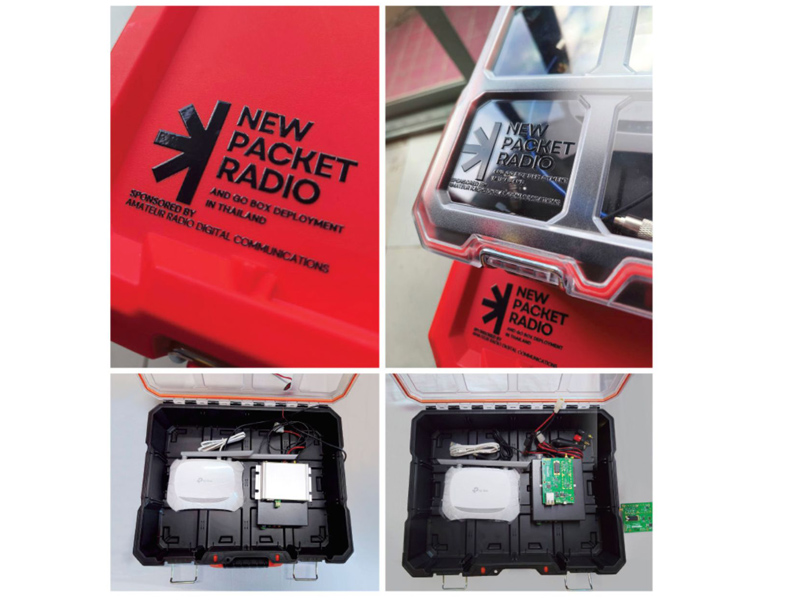
Emergency TU integrates several elements to strengthen national preparedness and resilience. A fundamental component is connected technology and equipment. Emergency TU involved the creation of an equipment and technology repository, which includes a full spectrum of communications systems, from older technologies such as wireless radios and field telephones to modern tools like satellite internet and specialised disaster management software.
The project also transformed a bus into a mobile communication vehicle, equipped with communications systems and tools. It has also trained more than 2,000 people nationwide and has created a strong, knowledge-sharing volunteer network.
Emergency TU “ensures that assistance can reach everyone without delay”, says Amasiri.