
Thammasat University: Driving Sustainability Leadership Through Innovation, Research, and Interdisciplinary Impact


Sponsored by
Sponsored by
At the heart of TU’s approach is a commitment to turning research into practical solutions. The university’s current portfolio includes more than 30 innovations addressing key issues such as disaster resilience, clean energy, inclusive urban design, sustainable food systems, and circular economies. These initiatives reflect a research model rooted not only in academic rigor but also in public value.
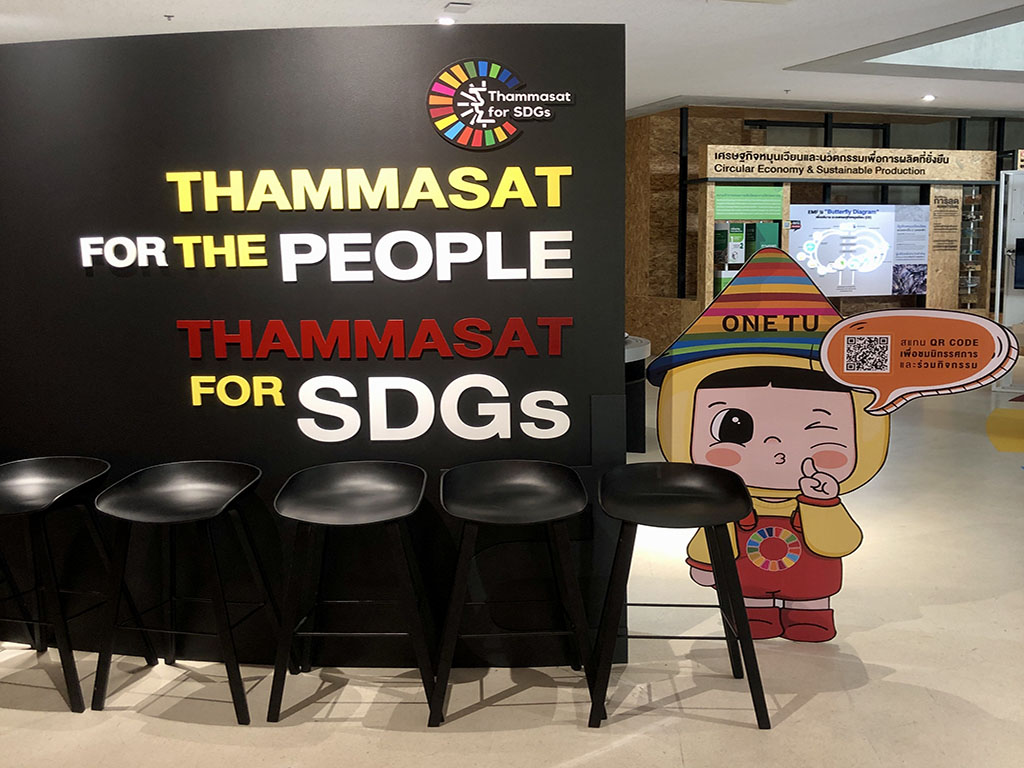
This commitment is prominently showcased through the ongoing exhibition, ‘SDGs for the People: Innovations for Life – Building a Sustainable Future’. Officially launched this year, the exhibition brings together innovations from lecturers and researchers across disciplines, demonstrating how university-led research can respond to Thailand’s national challenges with tangible, scalable solutions.

Translating Research into Real-World Sustainability Solutions
Thailand, like many rapidly developing nations, is facing a convergence of structural vulnerabilities—rising climate-related disasters, energy insecurity, urban inequality, and growing income disparity. TU’s approach reframes these challenges not just as policy problems, but as research opportunities. The university leverages interdisciplinary collaboration and community-based innovation to produce tangible, scalable solutions grounded in the lived realities of Thai society.
A standout example is the development of “EmergencyTU”, a low-bandwidth communication system capable of transmitting critical disaster alerts to remote or underserved areas without internet infrastructure. Designed through cross-disciplinary research involving technology, communications, and public health, the system addresses a key national vulnerability: Thailand's high rate of disaster-related fatalities, particularly in isolated communities.


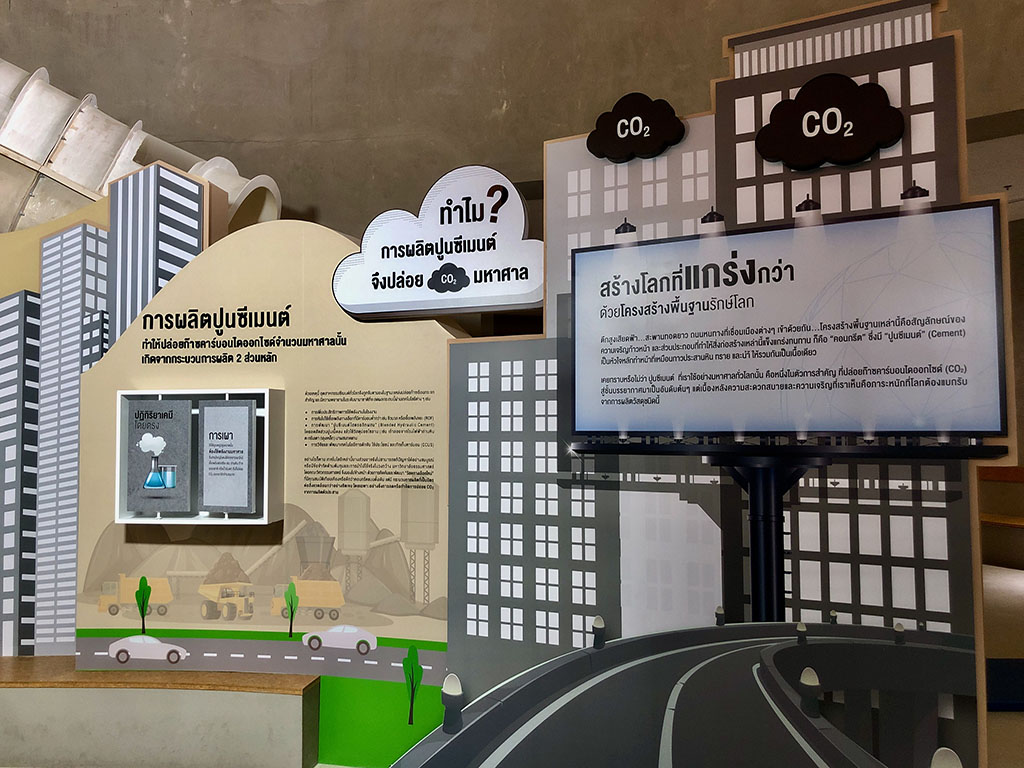
In the energy sector, researchers have developed solar trackers and cement-free construction materials aimed at reducing emissions and improving energy efficiency. These solutions are not only technologically sound but cost-effective—ready for implementation in both urban and rural contexts. They represent Thammasat’s emphasis on applied innovation that benefits society broadly, rather than remaining confined to academic theory.

Interdisciplinary Platforms for Societal Transformation
A key strength of TU’s sustainability leadership lies in its cross-disciplinary, collaborative approach. Research clusters across faculties—from science and technology to social sciences, design, and architecture—form a knowledge ecosystem where diverse perspectives are brought together to co-create sustainable solutions.
This model is exemplified in the structure of the university’s current innovation showcase, which is organized into five thematic zones, each representing a major area of impact:
- Resilience & Disaster Preparedness Zone features tools such as earthquake simulators and emergency radio systems tailored to communities at risk of natural disasters.
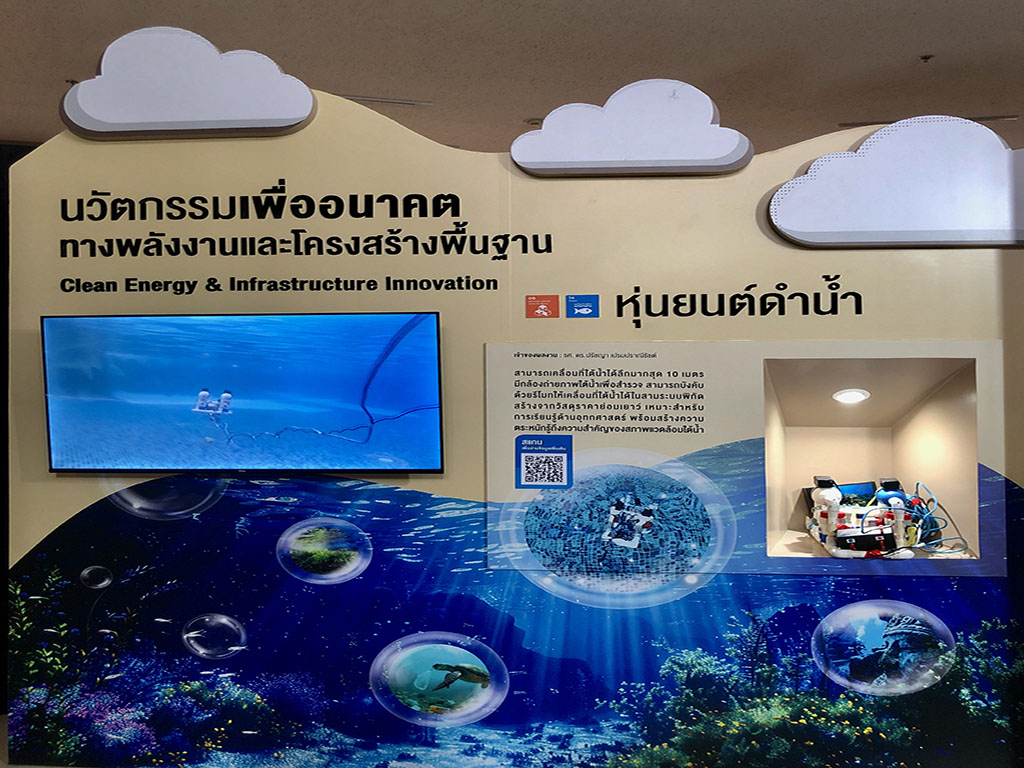
Clean Energy & Infrastructure Innovation Zone presents technologies like solar tracking systems and underwater robots, alongside sustainable construction materials designed to lower the carbon footprint of Thailand’s infrastructure.

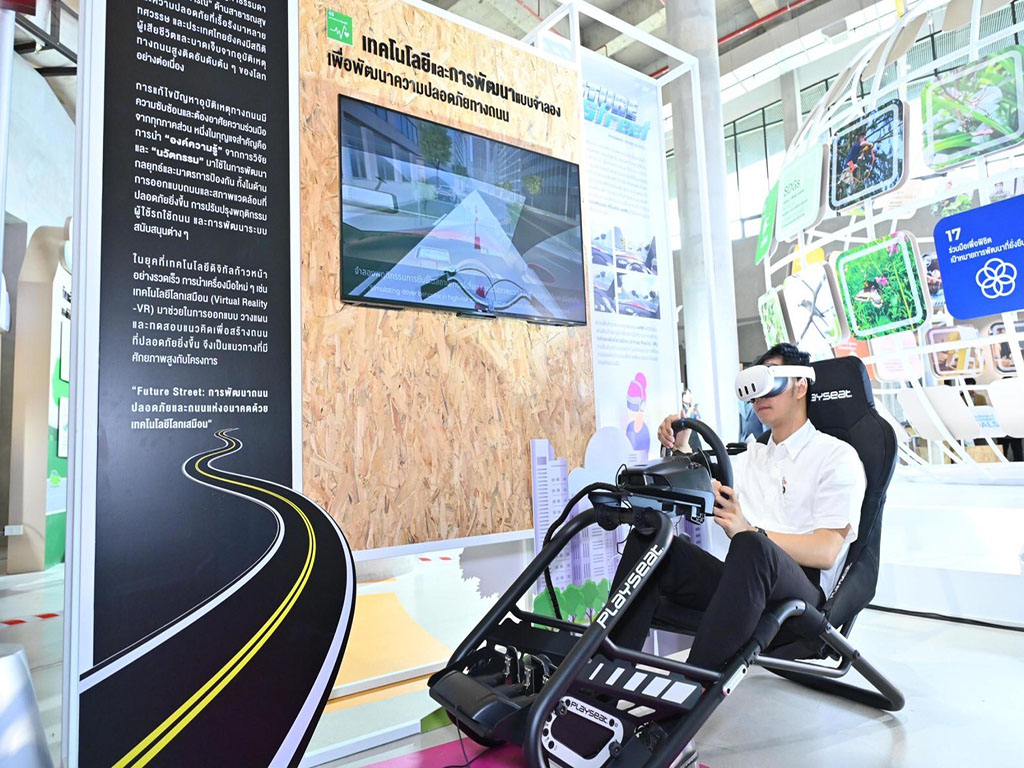
Sustainable Urban & Public Spaces Zone focuses on inclusive city design, including AI-assisted tree care systems, public parks for people with disabilities, and Future Street—a prototype for smart, safe, and green public roads.
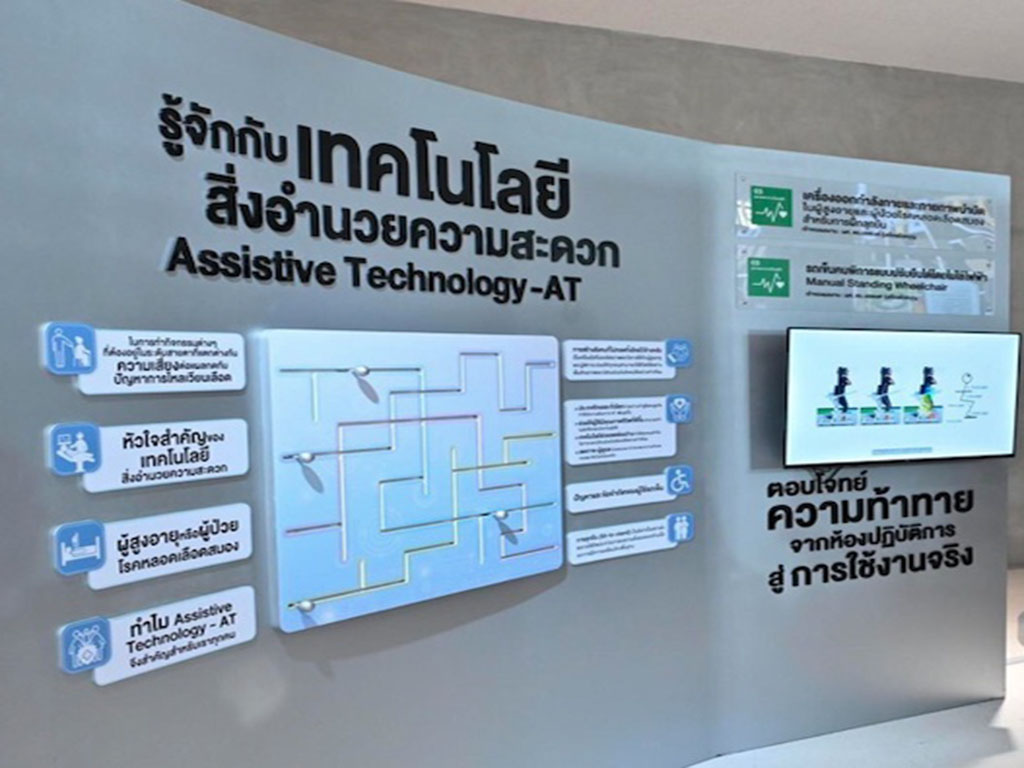
Health & Future Food Zone addresses well-being and aging populations through innovations such as functional foods, fitness equipment for seniors, and medical diagnostics using microwave and laser technology.

- Circular Economy & Sustainable Production Zone highlights waste-to-resource solutions such as biodegradable packaging, textile fibres from industrial waste, and circular fertilisers for sustainable agriculture.
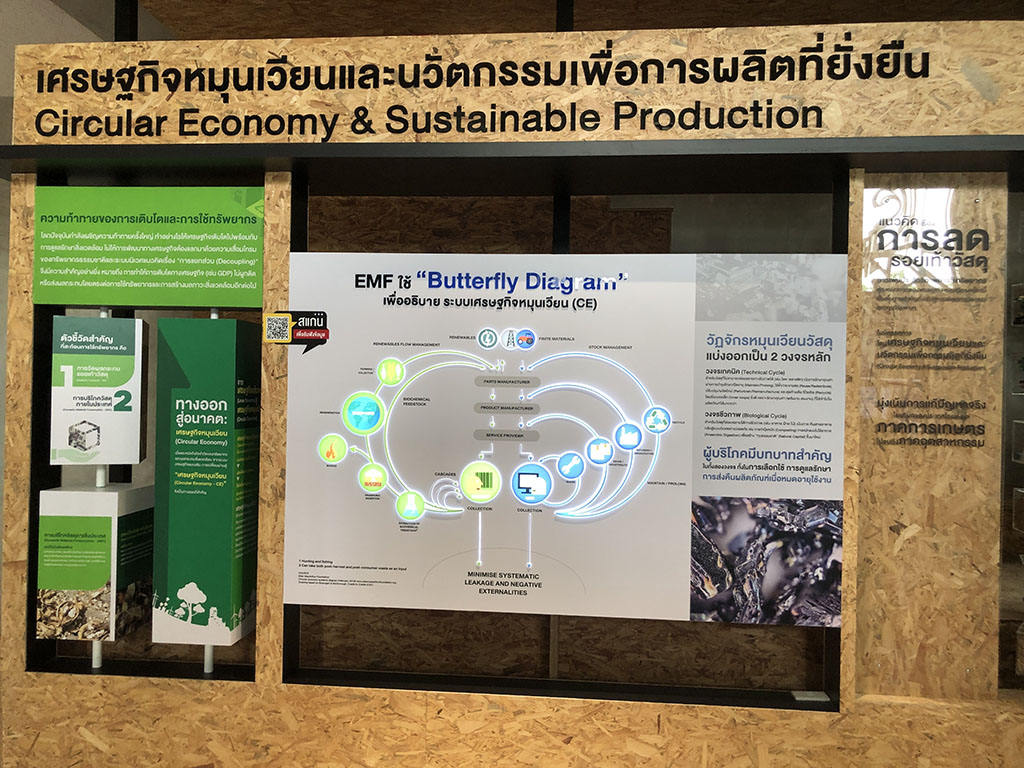
Each of these zones not only showcases the diversity of research at TU but also reflects a shared institutional goal: to generate knowledge that directly contributes to more equitable and sustainable systems.
Rethinking Impact: From Metrics to Meaning
In a national context where income inequality is the highest in ASEAN and environmental stress continues to mount, Thammasat is rethinking how research impact is defined and measured. The university applies the principle of “Leave No One Behind” by developing innovations that prioritize accessibility, affordability, and social relevance—especially for the elderly, low-income communities, persons with disabilities, and smallholder farmers.
Rather than measuring research success solely by publication counts or patents filed, TU is expanding its definition of impact to include public health improvements, environmental resilience, and knowledge transfer to underserved groups. This is evident in projects such as the development of circular bio-packaging from agricultural waste, textile fibres from industrial by-products, and sustainable fertilizers—all of which support Thailand’s shift toward a circular economy.
To further this impact, the university actively supports knowledge sharing and community engagement. Through interactive exhibitions, prototyping sessions, and collaborative workshops, TU fosters a participatory model of research—one that invites diverse voices into the innovation process and ensures that research benefits are widely distributed.
A Model for Sustainable Higher Education
For Thammasat University, sustainability is not a separate initiative—it is embedded into institutional strategy and academic culture. By integrating sustainability into its research mission, TU offers a model for how higher education institutions can lead national transformation.
At a time when universities worldwide are rethinking their role in society, Thammasat provides a compelling example of sustainability leadership grounded in interdisciplinarity, inclusivity, and impact. Its approach positions the university not just as a generator of knowledge, but as a steward of public good—actively shaping the transition to a fairer, more resilient future.
The exhibition ‘SDGs for the People: Innovations for Life – Building a Sustainable Future’ presents a valuable opportunity for individuals from all backgrounds—students, educators, researchers, policymakers, and the general public—to engage with tangible, research-based solutions to sustainability challenges. Running through 30 September 2025, the exhibition is not only informative but also highly interactive, encouraging hands-on exploration and critical dialogue.
Those interested in specific innovations or potential collaboration are welcome to contact the Thammasat University Corporate Communications Office at 02-564-4444 ext. 1120 or email comms@tu.ac.th.