
Pioneering a Greener Future: Thammasat University’s Holistic Initiatives for Carbon Reduction and Environmental Mitigation
Thammasat University leads Thailand’s transition to carbon neutrality by transforming innovative research—from sustainable agriculture to AI-driven monitoring—into practical, data-backed climate solutions.


Sponsored by
Sponsored by
As the global community confronts an escalating climate emergency, Thammasat University has positioned itself as a pivotal leader in Thailand’s journey toward carbon neutrality by 2050 and net-zero emissions by 2065.
Guided by its identity as a “University for the People,” the institution integrates academic excellence with social responsibility to deliver practical, scalable solutions for the nation. By adopting a holistic approach that encompasses greenhouse gas management and the design of “green mechanisms” for policy reform, Thammasat effectively bridges the gap between academic innovation and real-world implementation.
Innovative Agricultural Solutions for Methane Reduction
A primary example of this innovation is “Cow Eco+,” a student-led project addressing methane emissions from livestock. Developed by the Faculty of Public Health, this pioneering cattle dietary supplement blends Thai herbs with modern formulation technology to reduce methane produced during digestion. This project utilizes the “One Health” concept, ensuring the supplement is safe for farmers and prevents drug residues in livestock production. By combining traditional knowledge with science, “Cow Eco+” offers a sustainable solution that improves cattle health while benefiting the environment.
Comprehensive Mitigation of Agricultural Air Quality and Climate Impact
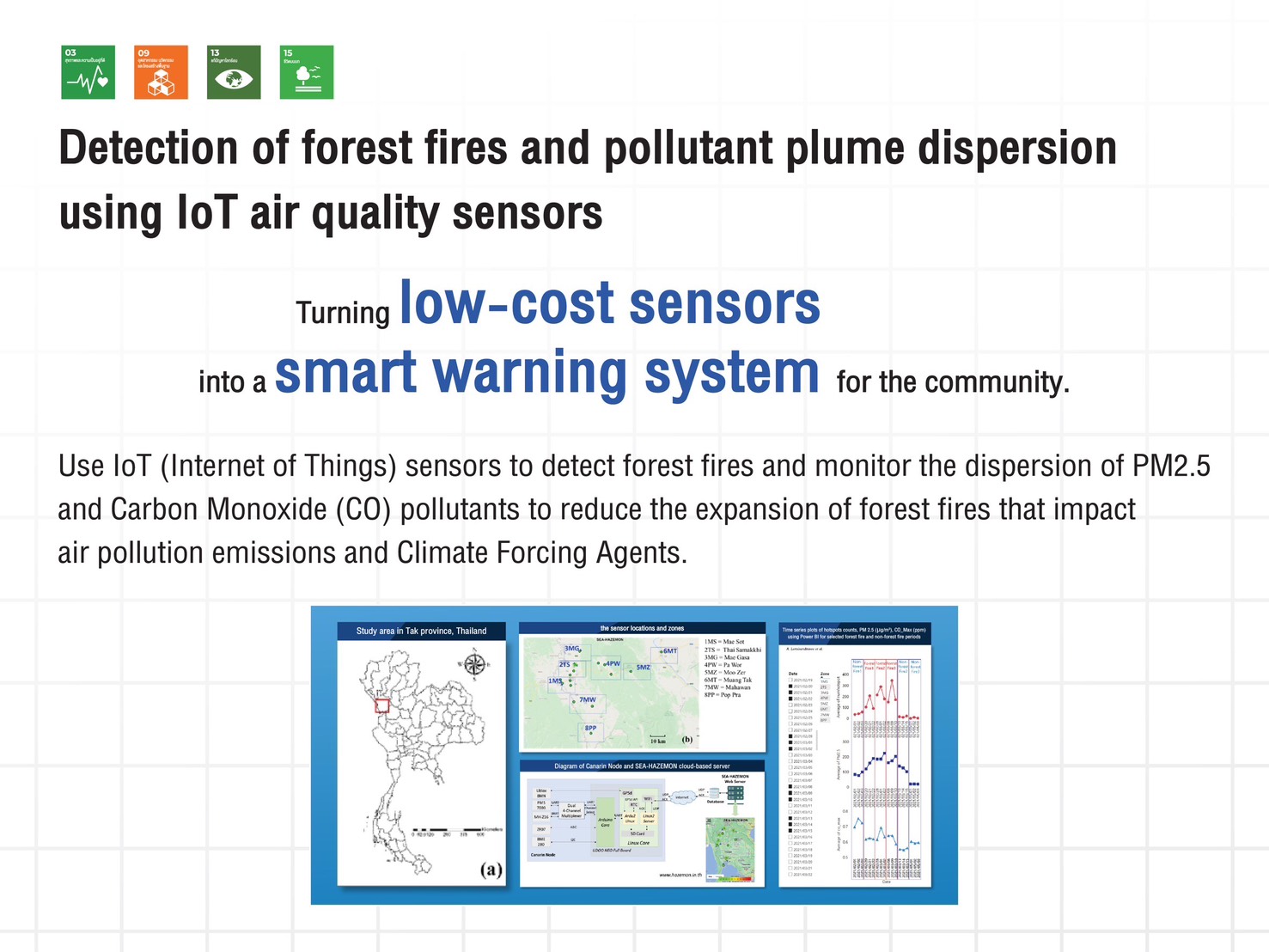
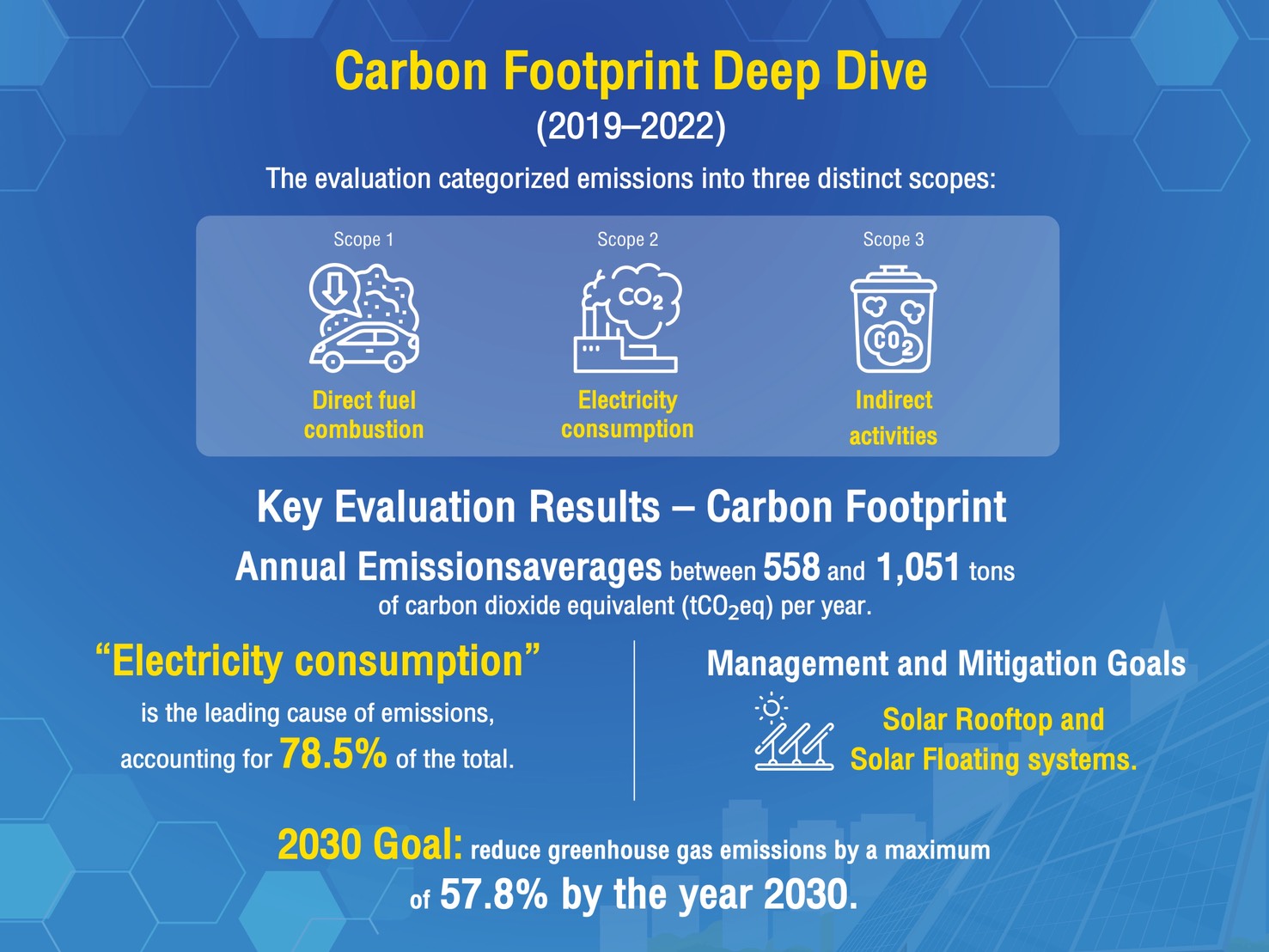
Thammasat researchers have also tackled the severe air pollution caused by agricultural burning and forest fires. Studies on rice cultivation identified central Thailand as a key source of PM2.5 and black carbon. To address this, the university proposes “green mechanisms,” such as carbon credit systems and financial incentives, to encourage farmers to adopt no-burn practices like composting and bioenergy production. Furthermore, researchers developed the “Canarin” IoT sensor system in Tak Province. Using machine-learning models, this system provides early signs of forest fires and predicts the movement of harmful smoke particles, strengthening disaster preparedness and reducing public health risks.
Campus-Wide Carbon Footprint Evaluation and Renewable Energy
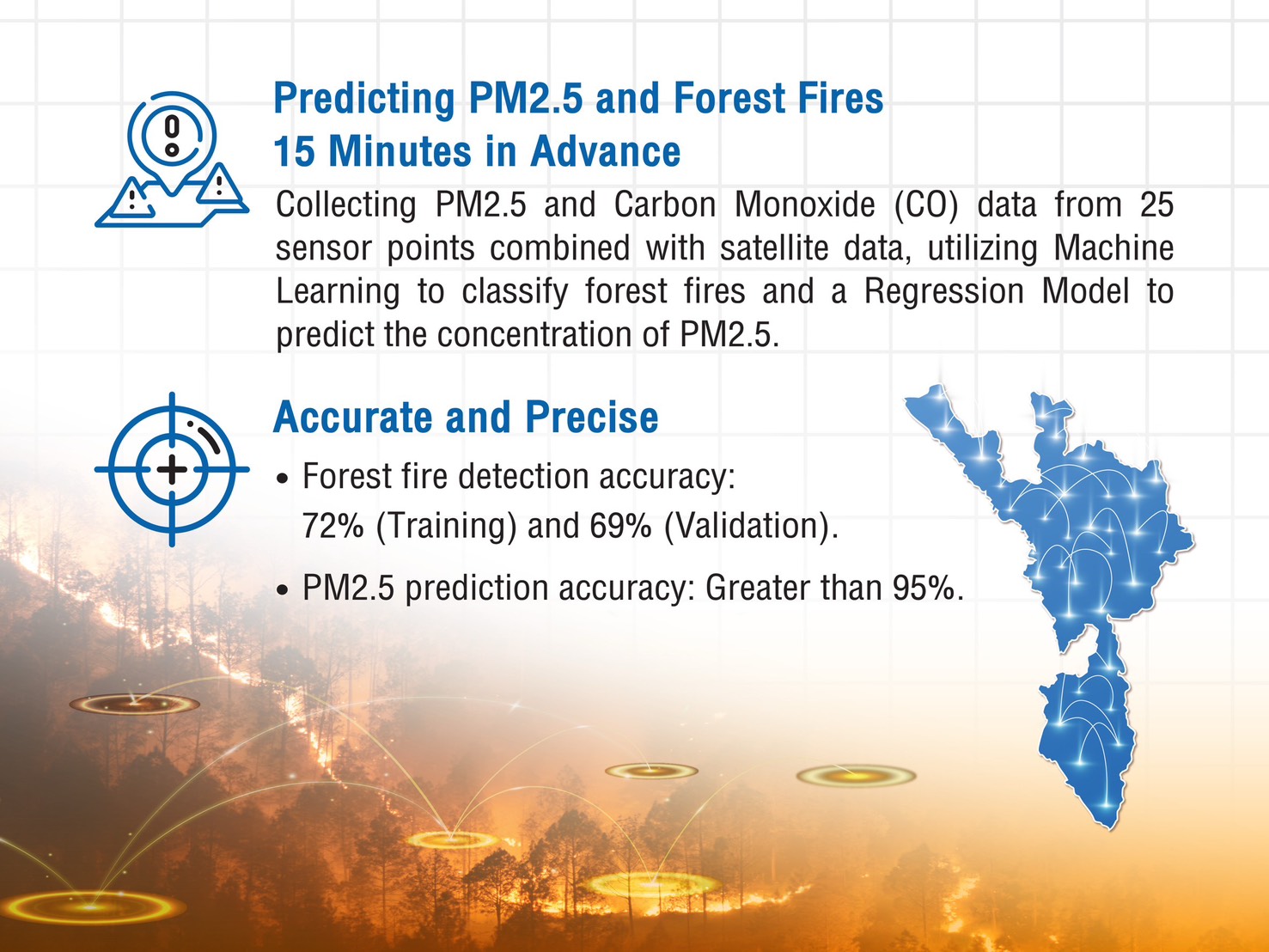
The Thammasat Lampang campus serves as a model for institutional decarbonization through a rigorous greenhouse gas (GHG) inventory across Scopes 1, 2, and 3. Findings revealed that purchased electricity accounts for approximately 78.55% of total emissions. In response, the university is implementing a strategy that includes installing rooftop and floating solar panels alongside a 30% reduction in solid waste. These combined measures are projected to reduce the campus's carbon footprint by 57.78% by 2030, demonstrating how universities can function as living laboratories for sustainability.
Advancements in Green Transportation and Emission Modeling
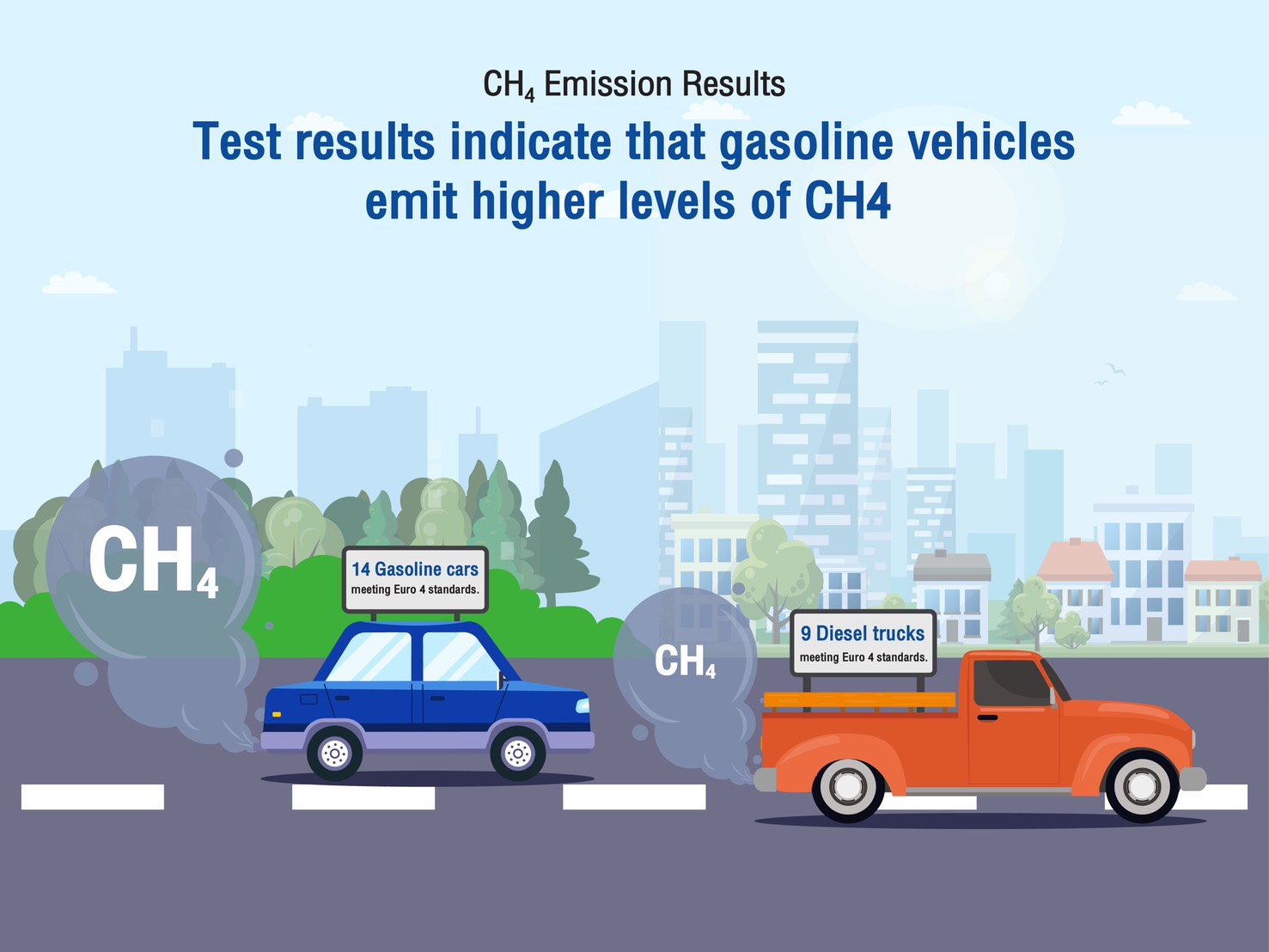
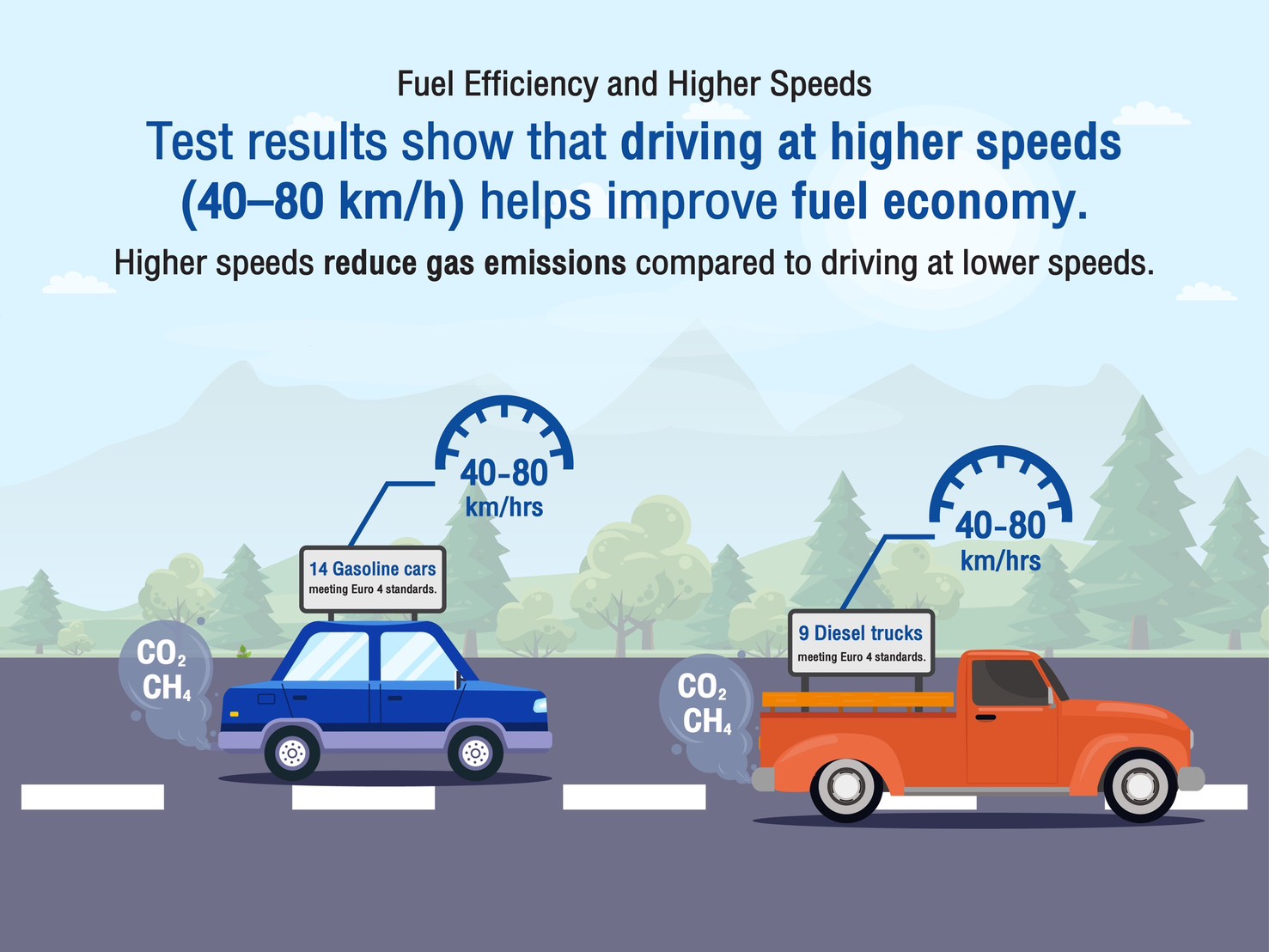
To support cleaner urban mobility, Thammasat has developed real-world emission factors for light-duty vehicles. Utilizing a chassis dynamometer and the Bangkok driving cycle, researchers identified that driving speed and fuel type significantly impact emissions, with lower speeds generally resulting in higher fuel consumption and emissions.
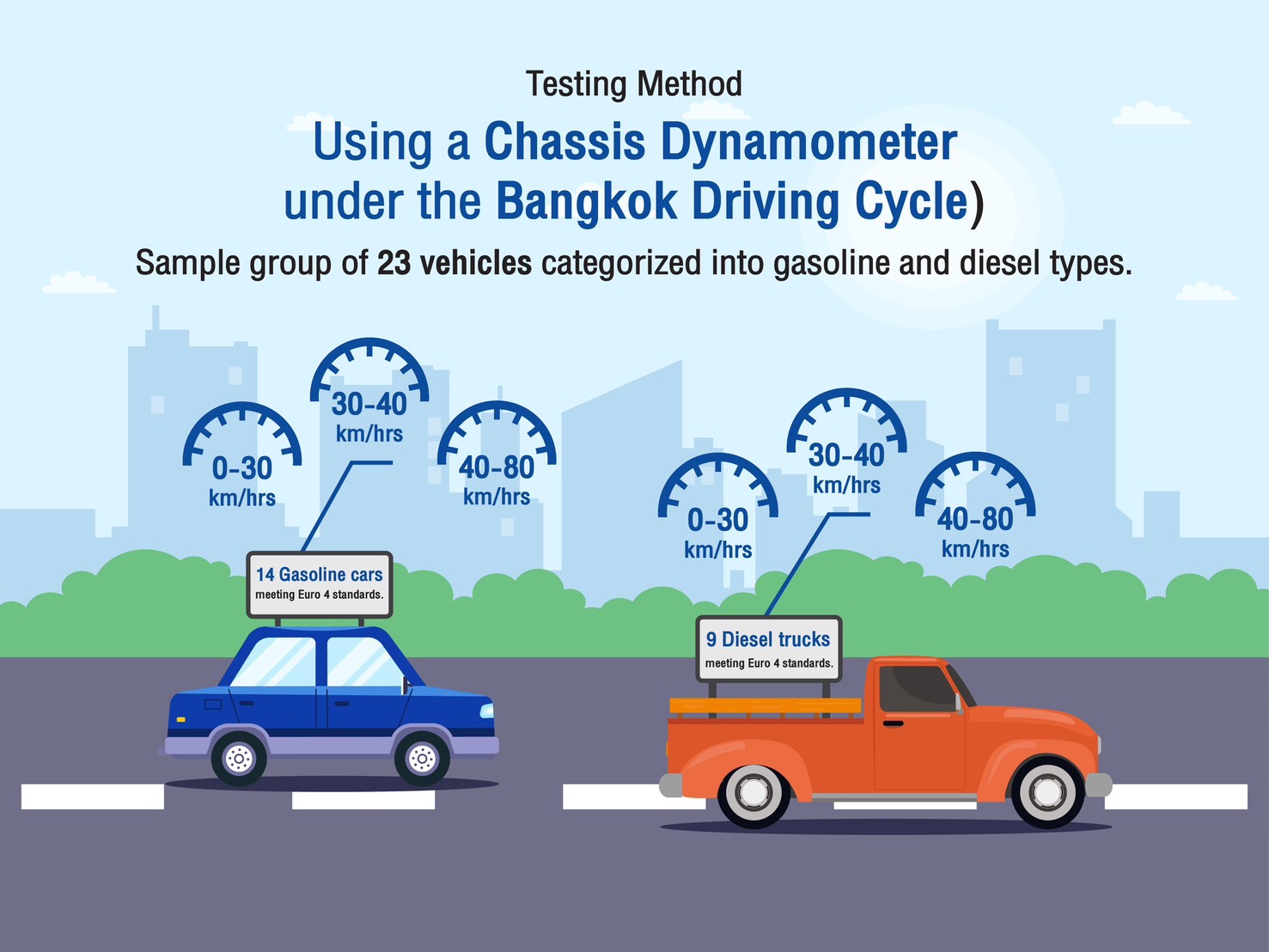
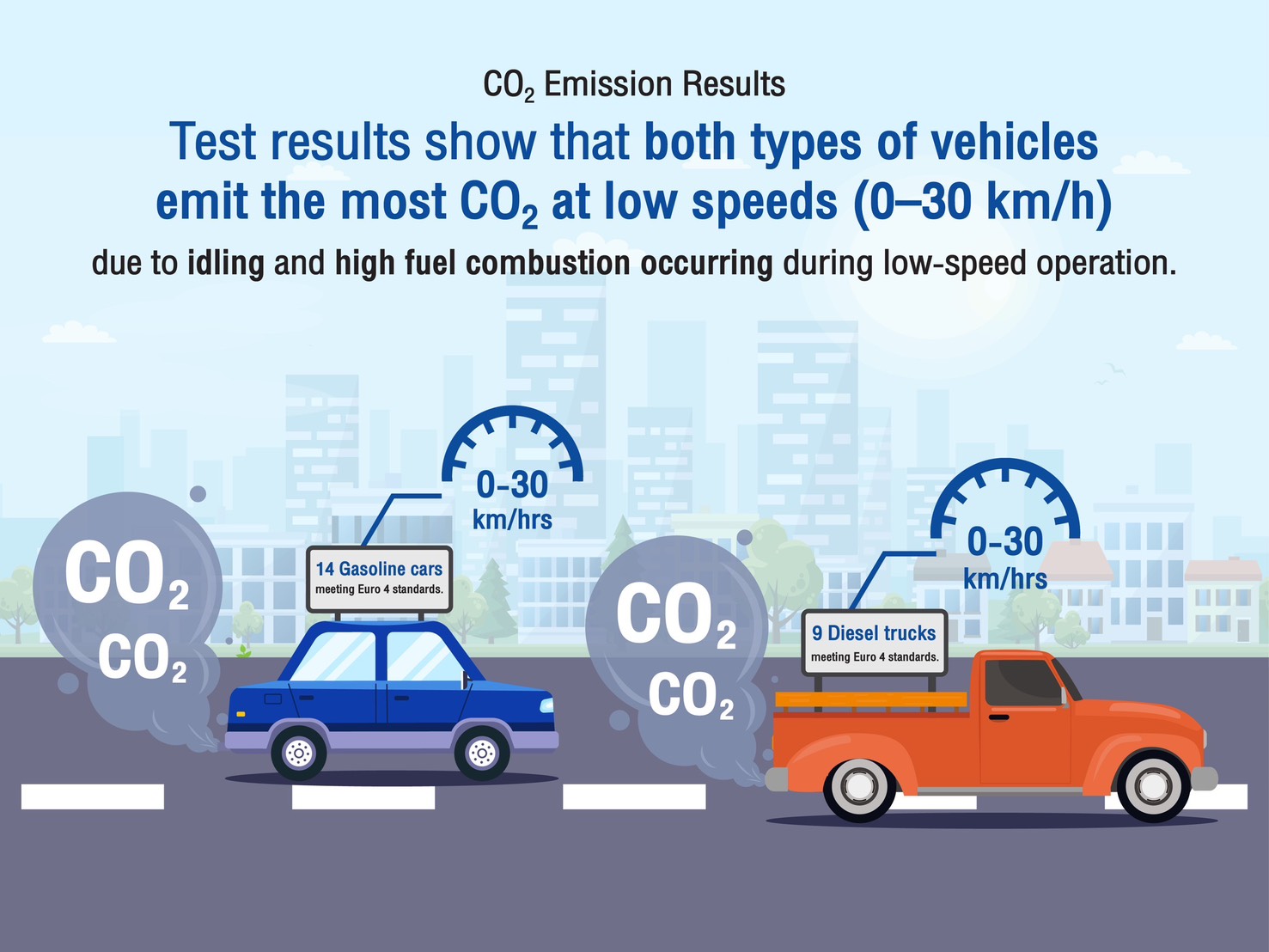
These findings provide a vital database for policymakers to design effective GHG reduction strategies, such as improving engine performance and promoting alternative fuels like biofuels. This research directly supports Thailand's broader goal of achieving carbon neutrality and net-zero emissions.
Holistic Sustainability in Research and Laboratory Management
Beyond external impacts, the Faculty of Pharmacy has implemented the “Save the World” project to foster sustainable laboratory management skills. This initiative focuses on reducing chemical releases into the environment and maintaining equipment to prevent waste. By establishing this management prototype, the university enhances safety and long-term health for researchers while providing a model for other institutions to minimize their environmental footprint. Through these diverse initiatives, Thammasat University remains a vital force in building a resilient and sustainable future for society.