
Fostering Health Equity: Thammasat University’s Clinical Innovations and Social Advocacy for Women
Thammasat University is pioneering a more equitable and technologically advanced future for women’s healthcare by integrating life-saving automated technology to prevent maternal mortality with strategic research aimed at dismantling the systemic barriers faced by marginalized migrant populations.


Sponsored by
Sponsored by
To ensure comprehensive health security for women, nursing research is increasingly focusing on the intersection of life-saving clinical technology and the socio-economic barriers that prevent vulnerable populations from accessing care. A cornerstone of this dual approach is the initiative to combat postpartum hemorrhage (PPH), which remains a critical risk for mothers immediately after childbirth. Thammasat university (TU)’s development philosophy views healthcare as a universal right rather than a privilege, focusing on the complex intersection of medical innovation and the social determinants of health. By integrating life-saving automated technology with strategic research, TU aims to dismantle systemic barriers and create a more equitable future for women’s healthcare.

Combating Maternal Mortality with the "Magical Hand"
A significant technical feature of TU’s research involves addressing postpartum hemorrhage (PPH), which is responsible for approximately 27.1% of maternal deaths globally. Beyond the immediate risk of mortality, PPH causes severe physical complications such as anaemia and hypovolaemic shock, as well as long-term psychological distress like anxiety and PTSD. While uterine massage is a standard non-invasive method used by midwives to stimulate contractions and reduce blood loss, its effectiveness is often hindered by staff fatigue and inconsistent pressure in remote or resource-limited settings.
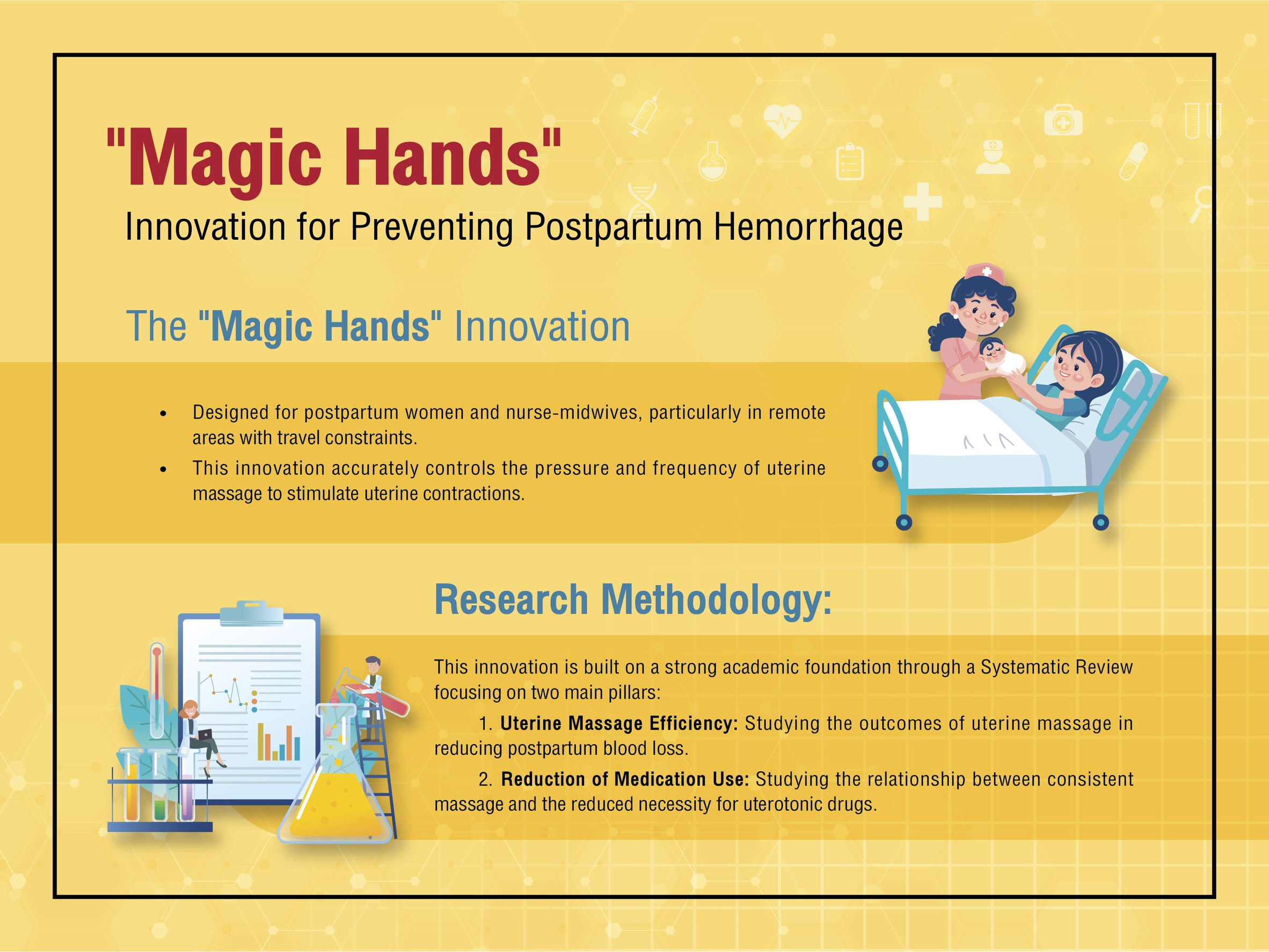
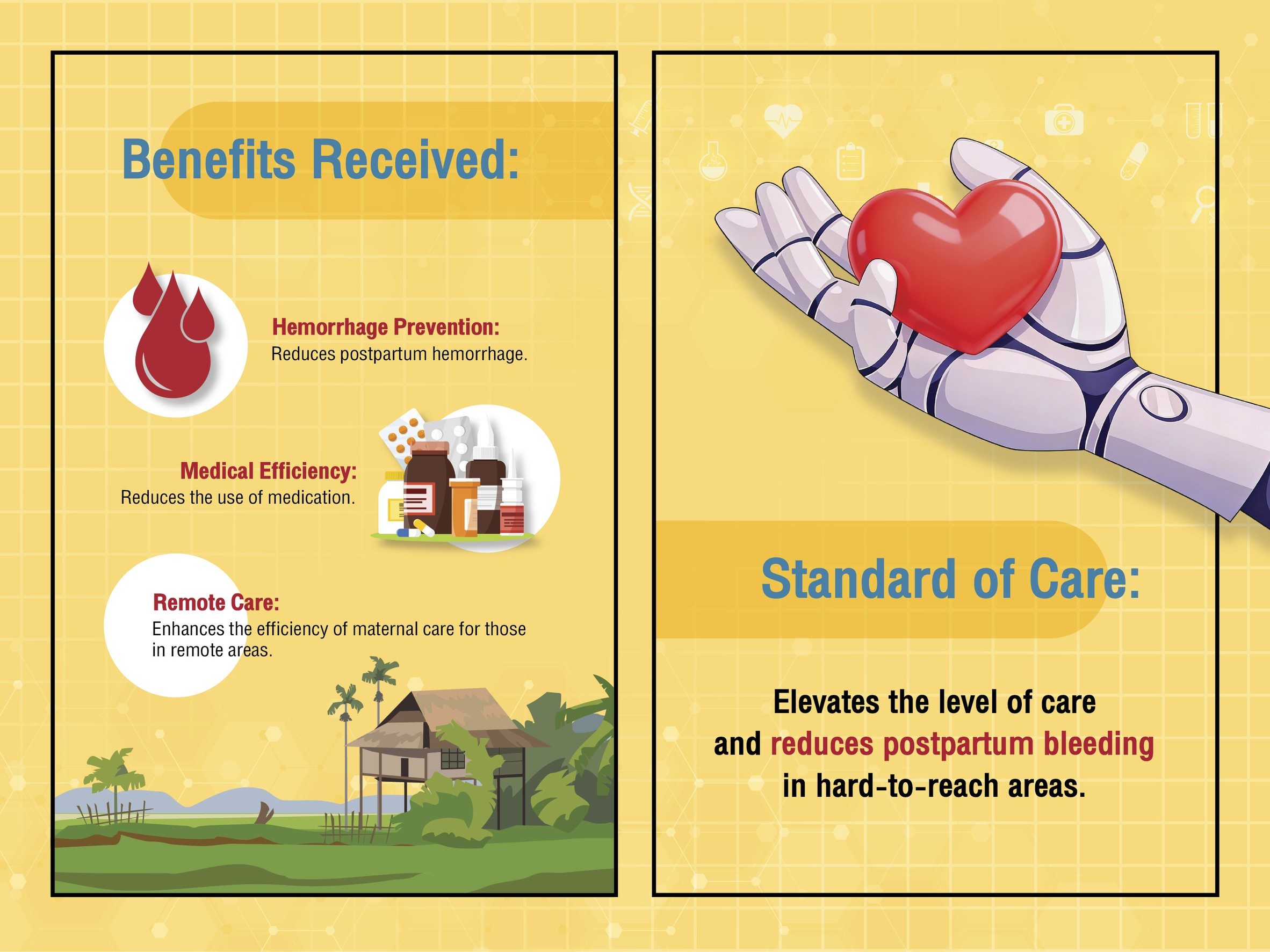
To solve this, TU developed the "Magical Hand," an automatic uterine massage machine or robotic arm that provides controlled, rhythmic pressure mimicking manual massage. This patented innovation acts as a vital safety net, particularly in facilities with limited staffing or where patient transfer to larger hospitals is difficult. Utilizing the rigorous JBI methodology, the university prioritizes these non-invasive, automated methods over potentially harmful alternatives like balloon tamponade to ensure fatal bleeding is mitigated through precise technology.
Identifying Barriers for Marginalized Migrant Women
TU’s commitment to well-being extends beyond clinical tools to the social development of vulnerable groups, specifically Myanmar migrant women of reproductive age in Thailand. Qualitative research conducted by the university has identified a pervasive state of "care ineligibility" among this population. The study found that 70% of these women lack healthcare coverage, often due to the high cost of Health Insurance Cards (HICs)—approximately US$129 —or a lack of necessary documentation like passports. The university identifies six specific barriers that prevent access to care: financial hurdles, policy-related obstacles such as the fear of wage deductions for social security, communication gaps with medical staff, a lack of procedural familiarity, high travel costs, and limited facility capacity. These systemic issues frequently force women to rely on self-medication or borrow money from employers to cover expensive fees, further alienating them from the formal healthcare system.
Advocating for Inclusive Policy and Cultural Sensitivity
To translate these research findings into tangible benefits, TU advocates for policy-driven changes and culturally sensitive nursing care. Many migrant women avoid professional healthcare not only due to financial costs but also because of language barriers and the persistent fear of arrest or deportation. By identifying these obstacles, TU provides the "social intelligence" necessary to dismantle the barriers that alienate this group. The university recommends that the Ministry of Public Health provide interpreters at every hospital to bridge communication gaps and ensure that health insurance remains accessible to all migrant workers regardless of their legal status. This proactive stance aims to create a more inclusive and empathetic healthcare environment where no woman is deterred from seeking care due to her status.
A Holistic Strategy for Global Development Goals
Combined, these initiatives represent a holistic strategy that addresses both the biological and social determinants of health. The "Magical Hand" provides a technical solution for maternal outcomes, while the study of migrant barriers offers a framework for essential policy interventions. These efforts directly support Sustainable Development Goal 3 (SDG 3), specifically Target 3.1 regarding the reduction of maternal mortality and Target 3.8 concerning universal health coverage. Furthermore, by focusing on marginalized populations, TU supports SDG 10 (Reduced Inequalities), ensuring that life-saving healthcare innovations are accessible to everyone. This unified approach ensures that women not only survive the risks of childbirth but also have the equitable support needed to thrive throughout their reproductive lives, regardless of their nationality or legal status.