
FROM INGREDIENTS TO LONGEVITY
Católica is shaping the future of healthy ageing through integrated, research-led innovation

Sponsored by
Sponsored by
Population ageing is redefining societies across the globe but a longer lifespan is not, in itself, a measure of success. As such, there is a need to ensure that longer lives are also healthier, more autonomous and more meaningful lives. At Universidade Católica Portuguesa, the Diet65+ project is an example of an integrated model of research-led innovation in nutrition that aims to address this vital issue. At Católica, researchers in Biotechnology, Food Engineering, and Nutrition work side by side with psychologists from the Human Neurobehavioral Laboratory, and in close partnership with the industrial sector. Led by Manuela Pintado, and through science that is both methodologically rigorous and deeply human-centred, this ecosystem translates knowledge into products that individuals are physically able and genuinely motivated to consume.
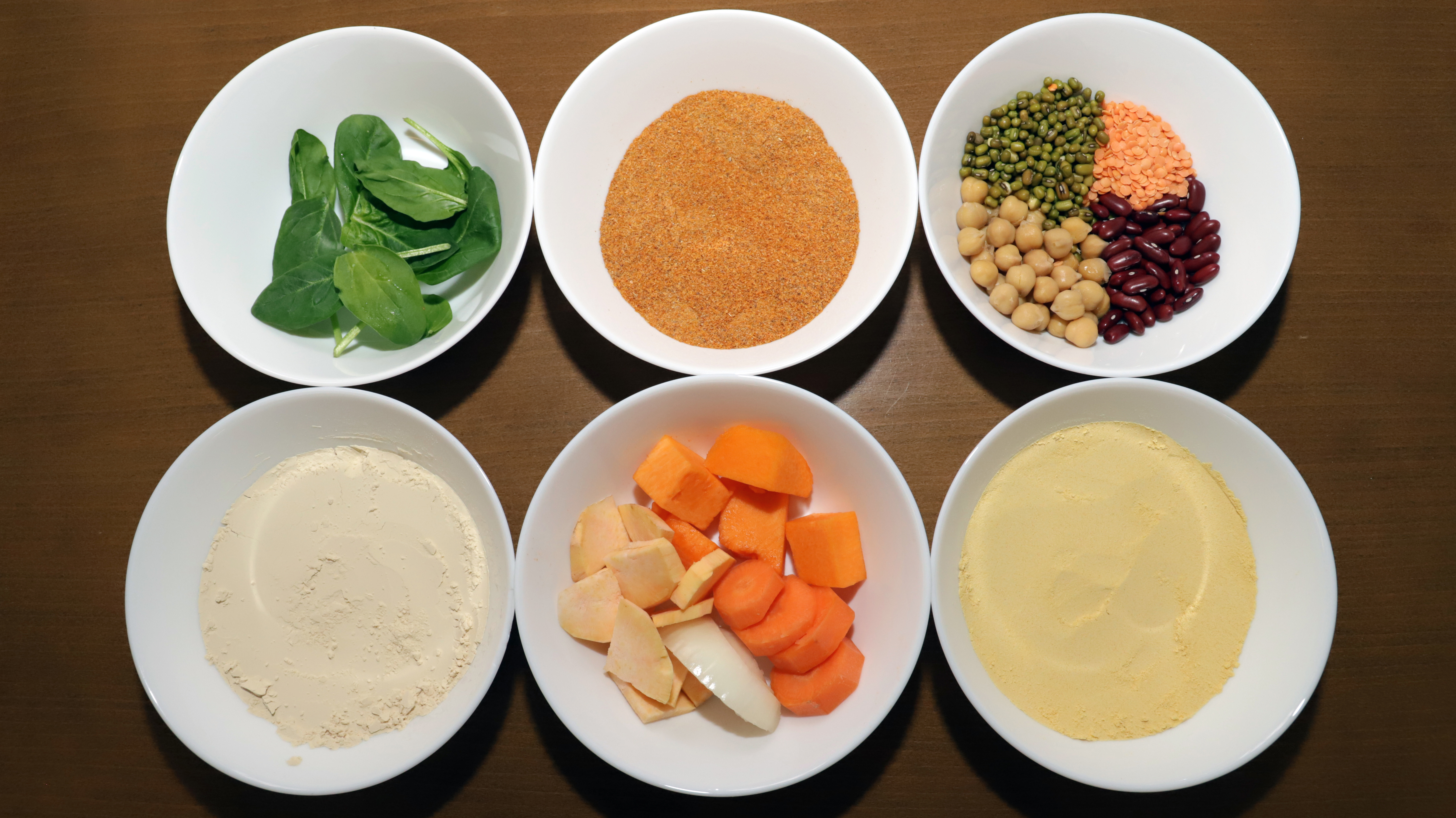
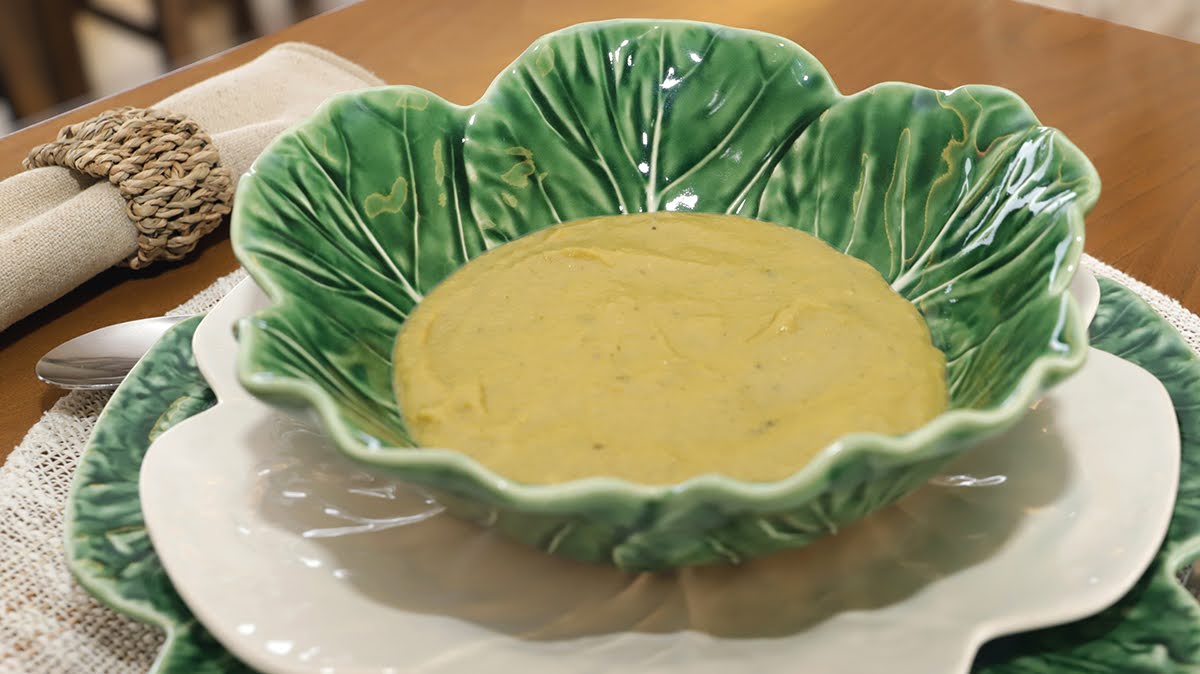
Ageing brings profound physiological and functional changes, such as difficulty in chewing and swallowing, sensory decline, altered digestion, loss of appetite and gut microbiota changes. These demand advanced food engineering, and food and nutrition are at the heart of these challenges; but too often, the focus is too narrow and limited to nutrient targets or clinical prescriptions which are detached from human behaviour, sensory experience and the reality of everyday life. At Universidade Católica Portuguesa, precision in engineering is not an end in itself, but a bridge between scientific knowledge and real human needs. This allows for the selection and development of sustainable ingredients, combined into adapted products where texture, structure, and stability are precisely controlled for safety and nutrition without sacrificing flavour and appearance.
By studying food as a sensory, emotional, and cognitive experience, researchers examine how memory, motivation, and expectation shape food choices in later life. Rather than “medicalising” food, Diet65+ reimagines it, reinterpreting traditional dietary patterns, particularly those inspired by Mediterranean food culture, to preserve familiarity and emotional resonance, while still delivering enhanced nutritional and functional value. This ensures food remains a source of pleasure, identity and social participation, which are inseparable from health and well-being.
Scientific credibility is central to this approach, with innovations being validated through in vitro models, sensory and neurobehavioral assessment protocols, and clinical studies involving both institutionalised and community-dwelling older adults. The evidence generated spans nutritional status, functional capacity, appetite, emotional well-being, quality of life and indicators linked to gut health. This depth of validation places Católica’s work at the forefront of translational research in this field.
Through strong and sustained collaboration with industrial partners (Decorgel, a subsidiary of Orkla Food Ingredients Group), this research not only accelerates innovation and knowledge transfer, but also contributes to economic growth, workforce development and the transformation of food and health systems at scale.
Equally important is how this research culture shapes education. Students and early-career researchers at Católica are trained within multidisciplinary teams that reflect the complexity of real-world challenges. Across the different fields, learners engage with the entire innovation pipeline – from ingredient science and product design to human behaviour and clinical validation, which prepares them not just for academic careers, but for leadership in industry, healthcare and policy.
By combining precision engineering, nutrition, biological insight and psychological understanding, the university illustrates how research-led institutions can respond meaningfully to global demographic changes. At a time when excellence in science must be aligned with societal purpose, the Universidade Católica Portuguesa offers a compelling example of how to bridge the gap between increasing longevity and quality of life. Through its leadership in Integrated Food, Biotechnology, and Neurobehavioral research, UCP not only contributes to a more autonomous and healthy future, but is actively shaping it.
Further information available here.
By Manuela Pintado, Coordinator and Principal Investigator of Diet65+, and Director of the Centre for Biotechnology and Fine Chemistry (CBQF), Universidade Católica Portuguesa