
Diversity of thought and experience at the Catholic University of Portugal
The Catholic University of Portugal boasts a highly international student body and diverse cultural experience, complemented by teaching that sets graduates up for success
Catholic University of Portugal


Sponsored by
Sponsored by
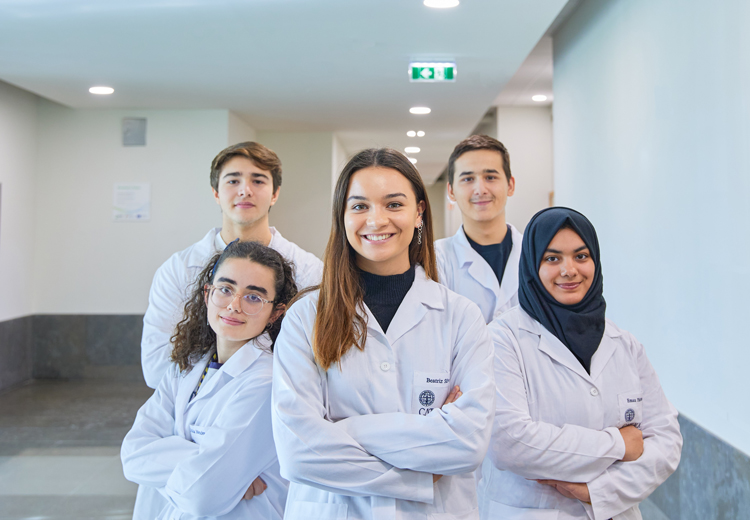
With students from more than 120 countries on its campuses in Lisbon, Porto, Braga and Viseu, it’s no surprise that the Catholic University of Portugal (Católica) embraces cultural diversity. Both inside the classroom and through social experiences, students enjoy engaging with peers from different backgrounds and who speak a range of languages, developing their intercultural communication skills. “This is crucial to prepare them for a world that is profoundly interconnected,” explains Nelson Ribeiro, vice-rector for transformation, collaboration and international affairs.
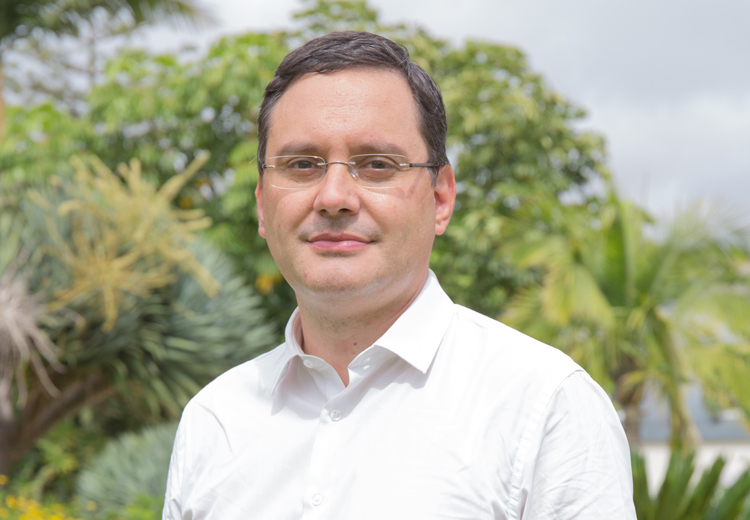
This diversity enriches teaching, too. “We take advantage of the fact we have students from different cultural and ethnic backgrounds and ensure we have space for their perspective,” adds Ribeiro. “A group of students is often surprised by how many different perspectives can be used to approach the same challenge.” These classroom experiences are enhanced by opportunities to study or take an internship abroad. Católica has more than 150 partner institutions worldwide and bilateral exchange agreements with over 400 universities globally. These placements range from a short period of study to a year abroad as part of a double degree or Erasmus programme.
Global mobility is of particular importance for research students, adds Ribeiro. Master’s and PhD students can participate in research groups with domestic and international colleagues at project level or through more sustained academic collaborations. “They begin to develop their own international network and it’s not long before they are publishing with international co-authors, which means they have more impact in their field and more people are seeing and citing their research. There’s a visible impact for students, future researchers and the university,” he says.
In the era of AI, the university has adapted its teaching methodologies, balancing technological innovation with the development of critical thinking, ethics and human-centred skills. “We need to ensure that students are proficient in using AI but it’s really important that we don’t place too much emphasis on specific platforms, so we make sure they are algorithmically trained and have the basics of machine learning,” Ribeiro explains.
At the same time, students are grounded in humanistic values such as human rights, justice and dignity through courses that develop their critical thinking and ethics. Ribeiro argues that this dual approach prepares students for life when they leave university. “We need to make sure that students develop all of their cognitive potential. Without courses where they are forced to think for themselves rather than go online, they will not develop that fully,” he says.
Católica also prepares students for their careers by enabling them to build networks and connect with innovators on campus. The university’s renowned incubator programme, called Forward!, has been the engine behind many start-ups, and there are strong links to external companies when it comes to research support and work experience. Students build networks organically with their peers during their time at Católica, both in Portugal and abroad, setting themselves up for international careers with the support of a thriving alumni network.