
From Observation to Action: Baku State University’s Climate Monitoring System as a Model for Sustainable Education
Climate change has become one of the defining global challenges of the 21st century—shaping not only scientific discourse but also the future of education systems worldwide. Integrating real-time observation and hands-on application into academic programmes has become essential to ensure that students complement theoretical knowledge with practical skills aligned with the Sustainable Development Goals (SDGs). Baku State University (BSU) is pioneering this approach in the region, transforming its Geography Faculty into a hub of continuous climate monitoring and experiential learning.


Sponsored by

Sponsored by
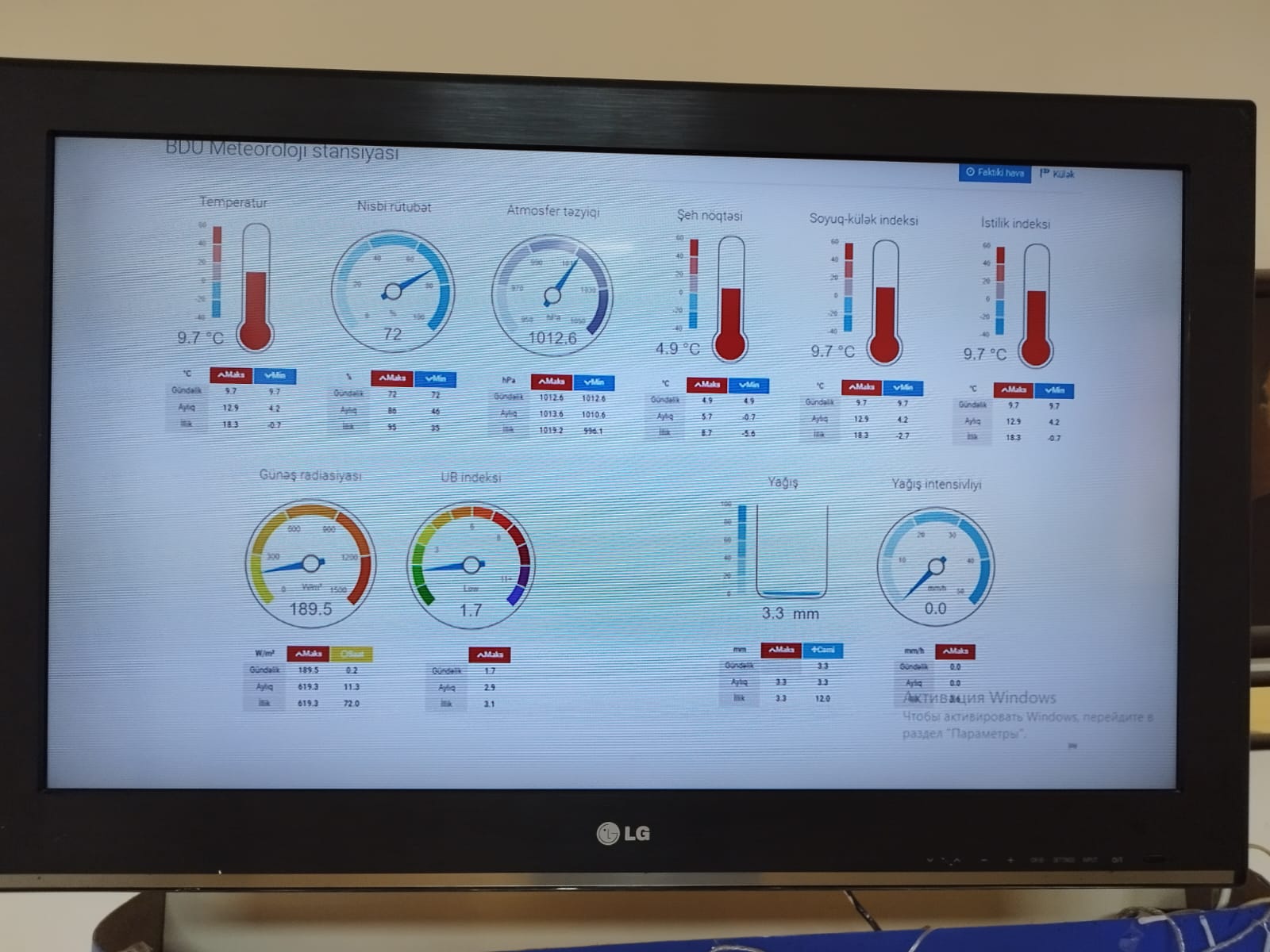
BSU currently operates two fully functioning meteorological stations—one on the main campus and another in the courtyard of the university dormitory. These stations collect real-time data on temperature, humidity, atmospheric pressure, wind speed and direction, and other key variables. The information is transmitted directly to the faculty’s teaching laboratories, where it becomes embedded in coursework, data analysis exercises and research projects.
What makes BSU’s model particularly innovative is its emphasis on open access. Meteorological data is displayed on real-time digital displays installed throughout the faculty building, allowing students from different departments and academic programmes to engage with climate information. This fosters interdisciplinary engagement with environmental challenges—an essential element of modern sustainability education.
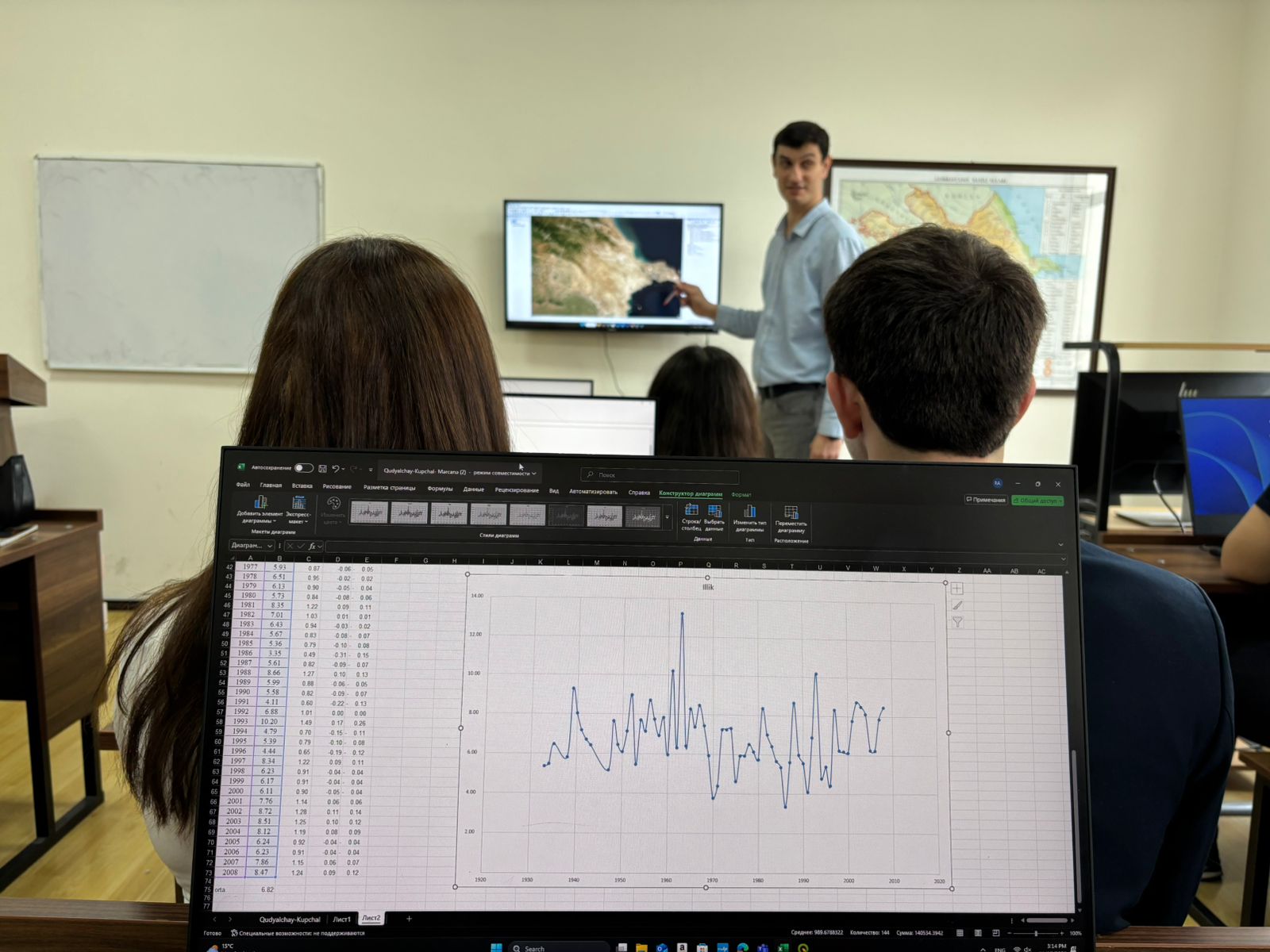
BSU’s academic structure blends theory with continuous observation. At the bachelor level, the Hydrometeorology programme introduces students to the scientific foundations of weather and climate. At the master’s level, the Climate Change Adaptation and Integrated Water Resources Management specializations bring students into active research through fieldwork, modelling and data interpretation.
The real-time climate data collected from the meteorological stations is integrated across the university’s academic and research activities, supporting coursework and laboratory training, informing bachelor and master theses, underpinning academic staff research projects, and enabling long-term climate analysis and modelling exercises. This approach ensures that students are not passive recipients of information—they become active contributors to scientific knowledge production. It directly supports SDG 4 (Quality Education) and SDG 13 (Climate Action) by equipping future specialists with relevant, evidence-based competencies.
The Geography Faculty’s commitment to applied science goes beyond the urban campus. Students regularly conduct field observations in various regions of Azerbaijan, particularly focusing on water resources, hydrological changes and local climate variability. These activities are supported by the master programme in Integrated Water Resources Management, which provides students with the skills to analyze both local and global dimensions of water governance—a crucial issue in climate-resilient development.
BSU’s climate monitoring ecosystem demonstrates how universities can link education, research and sustainability in a unified structure. By integrating real-time meteorological stations, specialized laboratories, interactive data displays and applied fieldwork, the university has created a comprehensive, practice-oriented model that aligns with international expectations for sustainable higher education.
This experience is not only valuable for Azerbaijan—it offers a replicable blueprint for universities globally seeking to strengthen their sustainability strategies and climate-related curricula.
The initiative shows that climate monitoring is not simply about collecting information, it is about interpreting, applying and using that information to shape future policies, research and decision-making. Through its integrated model of observation, analysis and action, Baku State University is training a new generation of specialists capable of responding to climate threats with innovation and scientific rigor.
BSU’s climate monitoring and sustainable education framework stands as an exemplary case of how universities can contribute meaningfully to the Sustainable Development Goals while transforming their own academic and research environments.