
“Eco Space” – a pioneering model for sustainability education and green innovation at Baku State University
As the host nation of COP29, Azerbaijan is placing sustainability, green growth, and ecological innovation at the heart of its national agenda. In alignment with this vision, Baku State University (BSU) has launched “Eko Məkan” (“Eco Space”), an innovative sustainability hub designed to educate, experiment, and inspire climate-conscious action among students, researchers, and the wider community.

Sponsored by

Sponsored by
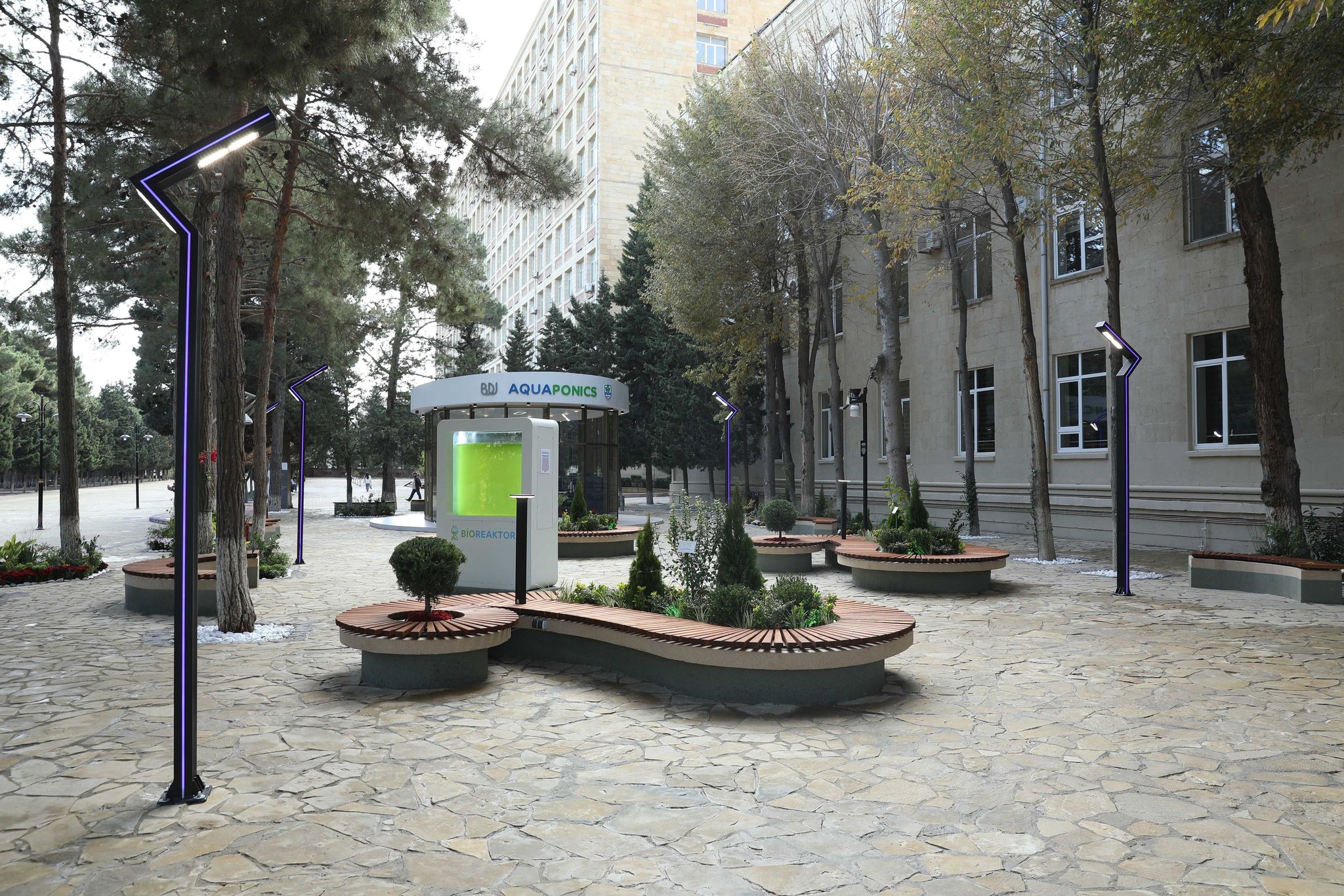
Situated on BSU’s main campus, Eco Space spans more than 1,000 square meters, integrating advanced renewable technologies, environmental monitoring systems, and hands-on learning environments. It embodies BSU’s mission to become a center of excellence for green research, education, and public engagement.
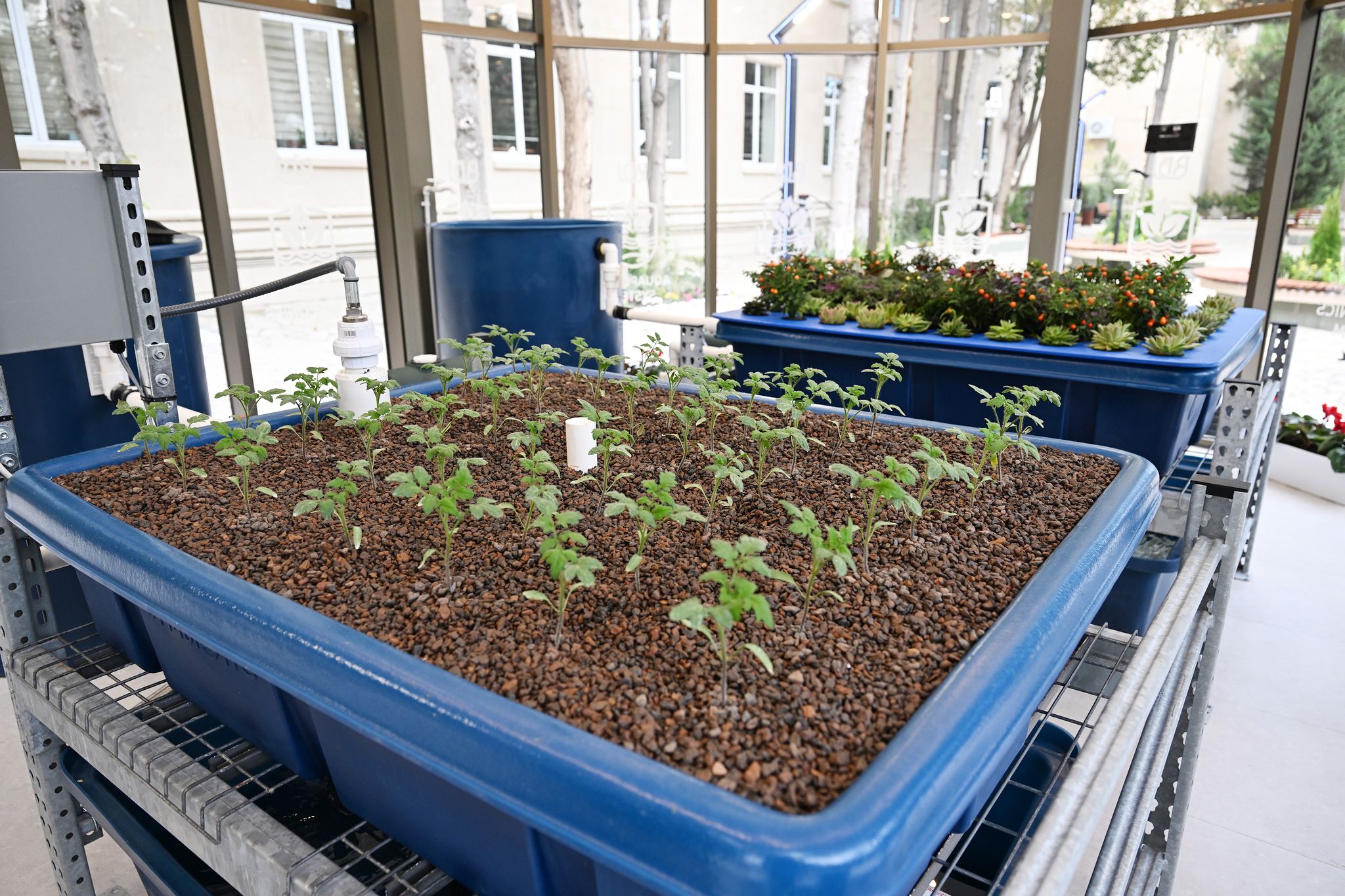
At the heart of the facility lies a fully operational Aquaponics system, combining fish farming and hydroponic plant cultivation in a circular process that minimizes water use and eliminates chemical waste. This system allows students to observe sustainable food production in real time—an approach that reflects BSU’s commitment to zero-waste, resource-efficient innovation in line with the UN Sustainable Development Goals (SDGs).
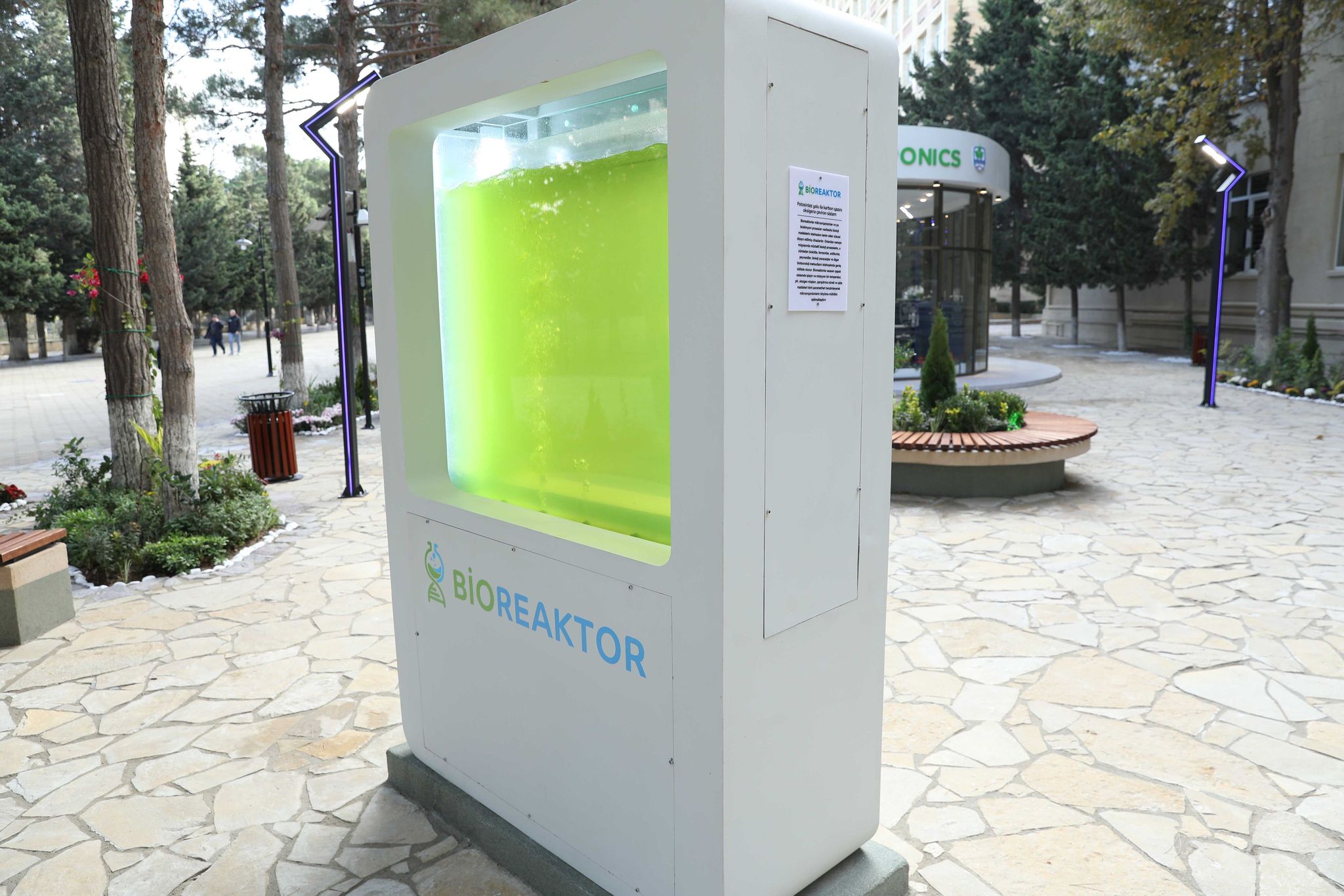
A microalgae bioreactor demonstrates how microorganisms can convert carbon dioxide into oxygen through photosynthesis, producing biomass that can be used for biofuel, animal feed, or bioproducts.
Complementing this is a solar-powered energy system that provides electricity for lighting, equipment, and digital monitoring tools, illustrating how universities can reduce dependence on fossil fuels through localized clean-energy solutions. The Eco Space is equipped with an integrated digital eco-information system, allowing students and researchers to monitor environmental data in real time.
The AQMesh Digital Air Quality System measures key atmospheric gases—including CO₂, NO₂, SO₂, and O₃—helping track urban air quality and pollution trends. Meanwhile, the Davis Vantage Pro2 Weather Station records temperature, humidity, wind speed, and other meteorological factors, providing vital data for environmental research and climate modeling.
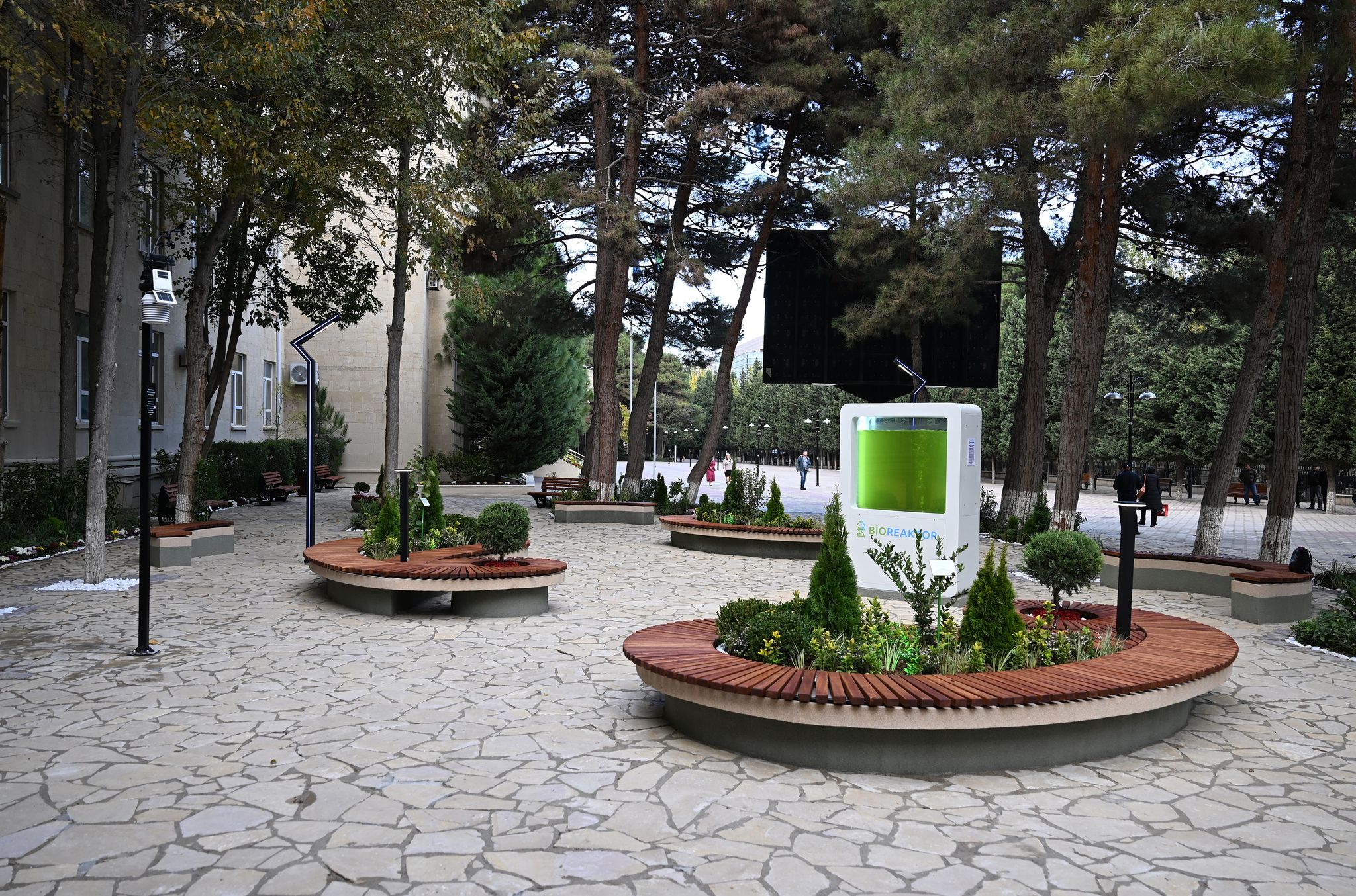
These technologies enable BSU’s students to explore data-driven sustainability, linking ecological education with real-world applications in energy efficiency, climate adaptation, and smart urban ecosystems. The project was developed through a public-private partnership involving Bayramli Group, LU-MUN Holding, and Azecolab, with strong support from the Ministry of Ecology and Natural Resources of Azerbaijan.
Rare native plant species, including Buxus hyrcana (Hyrcanian boxwood) and Cercis siliquastrum (Judas tree), were planted in collaboration with the Ministry to enrich biodiversity within the space.
Beyond serving BSU students, Eco Space welcomes participants from other universities, schools, and public organizations. Through eco-tours, workshops, and student-led research, it aims to raise public awareness about sustainability and encourage active environmental citizenship.
By integrating green technology, education, and community engagement, Baku State University’s Eco Space stands as one of the first university-based models in Azerbaijan dedicated to advancing environmental innovation and sustainable development.