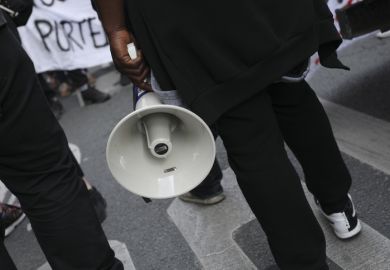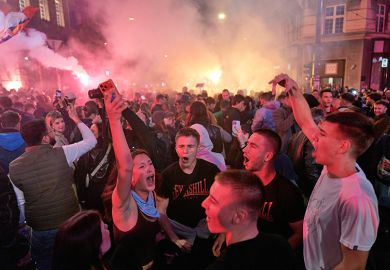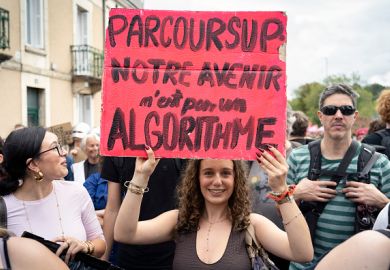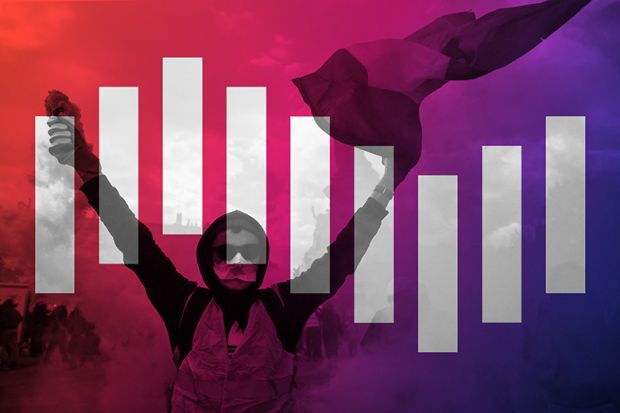
Countries across Europe are facing widespread political unrest, with students taking to the streets for some of the largest protests seen in recent years.
Demonstrations have been held in Italy, Spain and Austria following high-profile rallies in France, where campuses have been repeatedly blockaded. What started as demonstrations by high school students over discontent with the state of teaching in France have expanded to focus on the country’s opaque university admissions system and wider unhappiness over the cost-of-living crisis.
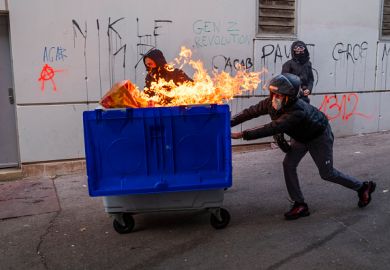
During the protests, which began in mid-September, buildings have been set alight and there were clashes with police as hundreds of thousands of people took part across France.
Despite the government agreeing to reform the university admissions process and create additional higher education places, the protesters have said they will continue to demonstrate, describing the measures as “crumbs”.
Meanwhile in Serbia, a student movement has helped bring down the government, making widespread gains in elections following two years of political unrest. But questions are now being asked about how it will turn a protest movement into a functioning government.
Times Higher Education’s Juliette Rowsell talks to Europe reporter Seher Asaf about the origins of the unrest, her first-hand account of being in France at the start of the protests and the power of student activism.
Register to continue
Why register?
- Registration is free and only takes a moment
- Once registered, you can read 3 articles a month
- Sign up for our newsletter
Subscribe
Or subscribe for unlimited access to:
- Unlimited access to news, views, insights & reviews
- Digital editions
- Digital access to THE’s university and college rankings analysis
Already registered or a current subscriber?