Supporting the transition from grade 10 to grade 11
Speaking to grade 10 students about university helps them start thinking about their own strengths and motivations

Almyra Duarte


You may also like


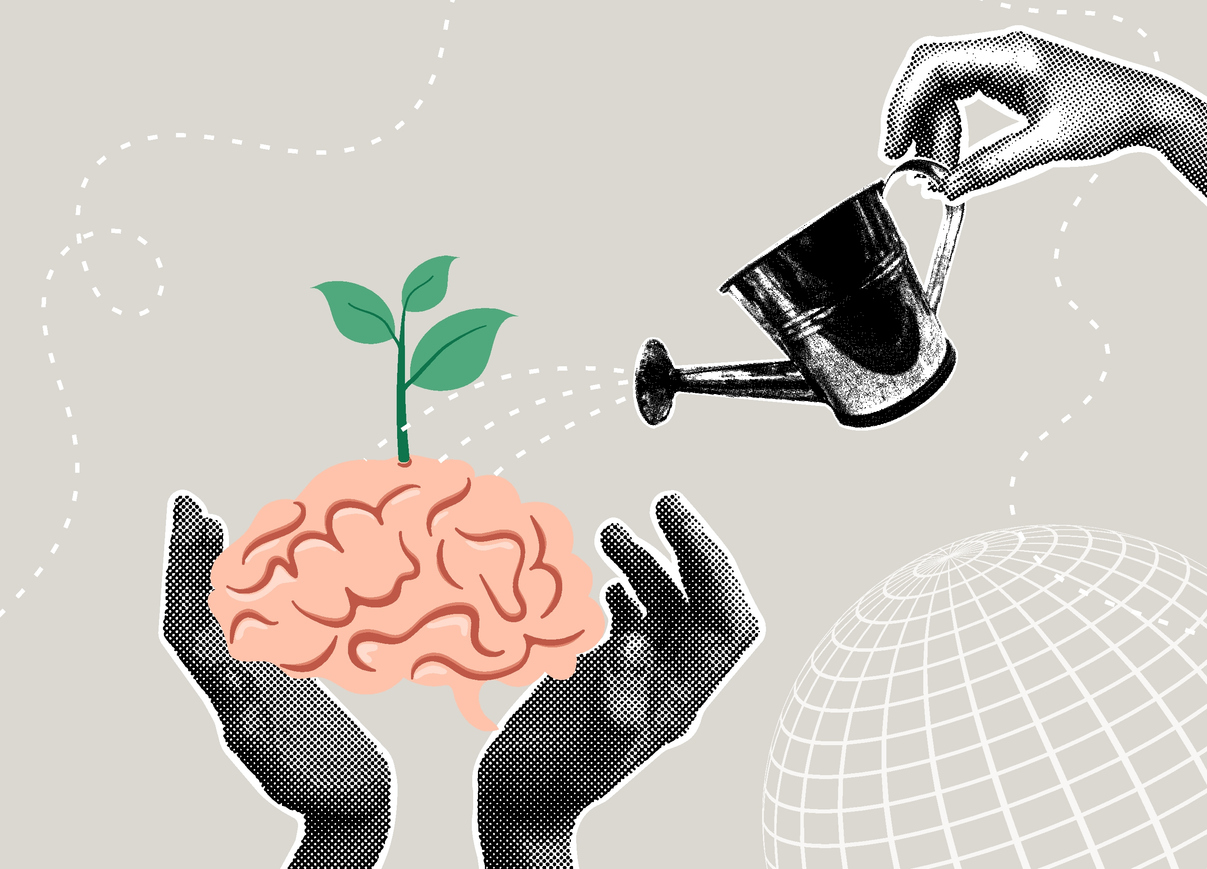



Grade 10 (year 10) represents the transition between exploration and specialisation: it is the stage when students begin shifting from broad curiosity toward more intentional academic choices and goals.
While working closely with grade 10 students this year, the significance of this developmental stage became evident. Students displayed differing emotional states: some eager and confident, others uncertain, and several expressed mixed feelings. Their aspirations were influenced by where their parents studied or peer narratives (“mom went to an Ivy so I want to too” or “my friend and I made a deal to study aerospace engineering at MIT”), sometimes without actually understanding the academic and personal readiness that is required.
It became evident to me that grade 10 students do not lack vision or motivation; rather, they often lack the skills to channel their motivations into realistic, long-term goals.
Why the grade 10 to 11 transition carries such weight
This period is shaped by several developmental and contextual factors:
1. Expectations rise before understanding does
Students are aware that upper secondary marks a major change yet they cannot clearly explain what will change or how to prepare for it.
2. Identity formation advances rapidly
Teens at this stage are actively thinking about who they are as learners. Old labels might resurface (“I’ve never been good at maths”), sometimes masking skills that have since developed.
3. External influences amplify
Comparing themselves or being compared to their peers, cultural perspectives and parental expectations can influence students, sometimes in restrictive ways.
4. University becomes a concrete prospect
Even though students might not be ready to make firm decisions, imagining life after school can cause both excitement and nervousness.
Intentional development support: what we implemented this year
To respond to the needs and challenges of this stage, we introduced a series of intentional interventions that aimed to enhance students’ sense of identity, build skills and increase their understanding of what to expect.
1. Strengths and identity assemblies
We began the year with sessions planned to support students with their developing strengths, motivations and areas of growth.
2. Skills-based workshops
Our grade 10 cohort showed a need for sessions in time management, decision-making, reflective practices and mindset development. Structured workshops and advisory lessons in these key areas equipped students with tools they could apply immediately and carry with them into upper secondary.
3. Early university and industry exposure
One of the most meaningful changes was introducing universities and industry professionals to grade 10 students. The response validated this approach. Shortly after our first university visit, we saw a notable rise in counselling appointments, including from students who had previously expressed fixed aspirations such as wanting to focus solely on pro basketball. It was clear that early exposure to universities broadened their sense of possibility.
4. Parent engagement sessions
Through coffee mornings and information sessions, we worked to align parental expectations with adolescent development. When families understand the cognitive and emotional realities of grade 10 learners, they can support exploration rather than adding to the pressure.
5. Future pathways journal
We introduced reflective journals, values exercises and experience logs to help students keep a record and make sense of their own development and experiences – providing a foundation for writing personal statements two years later.
What these activities revealed
• Curiosity grows significantly with exposure – real-world engagement encouraged deeper questions and greater motivation.
• Students seek autonomy but depend on structure – they want ownership of their choices but need frameworks and guidance that support clarity.
• Strength awareness is often more present than pathway awareness – most students recognise their interests but might not yet fully understand how these link to post-secondary directions.
• Aspirations are more often shaped externally – this reinforces the counsellor’s role in helping students make decisions that reflect their own values and identities.
Practical strategies to strengthen the grade 10 to 11 transition
• Strengths and identity assemblies to highlight skills and motivations
• Skills-based workshops: organisation, reflection and decision-making skills are introduced before they become urgent
• Early university and industry exposure to broaden thinking and reduce future pressure
• Interest and curiosity sessions offering low-stakes exploration of careers or fields
• Decision-making frameworks that simplify complex choices
• Reflection exercises to help students recognise how they have grown
• Parent partnership sessions to support healthier expectations
• Student career mentors enhance peer-to-peer influence and provide positive role models
Grade 10 is not merely an introduction to upper secondary, but a developmental turning point where early engagement has the potential to shape confidence, agency and aspiration. When universities and pathway opportunities are introduced in grade 10 – at the very stage when students are most open to exploration, we help expand their perspectives and equip them to step into grade 11 with clarity and confidence.
Supporting our students intentionally in this phase does more than prepare them academically: it empowers them to navigate their future with curiosity, resilience and a strengthening sense of who they are becoming.