The games people play (when counselling students)
Many students don’t know what they want to study, or where. So, how to start the process of helping them to focus on possible pathways?

James Burnett





Before I joined my current school, I briefly earned my living as an independent university counsellor. I was working with families who already knew where and what they wanted to study – mostly medicine, law, Oxbridge and Ivy League.
So there was little opportunity to counsel: I was a facilitator with (in their view, anyway) the expertise to help them achieve their goals.
One of my biggest challenges since joining my current school has been working with students who don’t know what they want to study, or where. So, how to start the process of helping them to focus on possible pathways?
In my weekly classes with the new year 12 students, what certainly didn’t work was presenting, country by country, information-packed sessions on entry requirements, timelines and application procedures. The students who didn’t already have a rough idea of the wheres and whats become overwhelmed by the range of options. And those who did have plans switched off in the sessions that were not relevant to them.
Avoiding board-dom
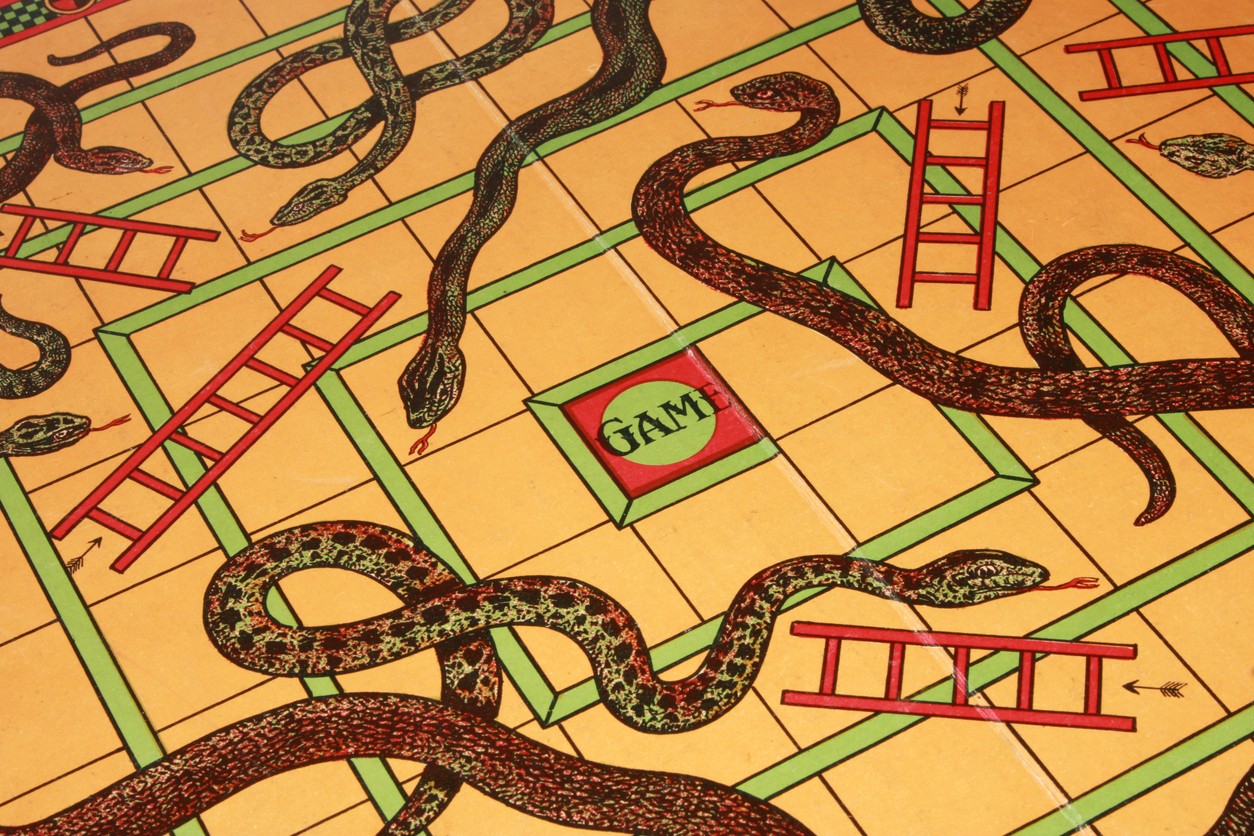
Instead, we now play games. Not board games – although those familiar with The Game of Life board game will understand how it represents a rather dated linear approach to future pathways, and I actually use this game to introduce the idea of flexible pathways – but, rather, activities designed to get students thinking about their options.
These are essentially ice-breaking exercises, rather than serious attempts to steer them towards careers or university courses. But they stimulate conversation and introduce the students to ways they can begin their research without the pressure of having to make serious choices.
Fantasy island
As an example, they have worked in small groups of three or four, armed with sheets of A3 paper and boxes of crayons, designing their fantasy university. They have to agree on a location: we have had floating universities in the Maldives, underground colleges in the Antarctic and an institution built inside an English Premier League football stadium.
They also have to come up with courses that don’t currently exist. This is harder than it seems, given some of the less mainstream degrees offered by universities, and requires a good deal of research. And they have to design accommodation and leisure facilities.
The value in this exercise is twofold: it gets them talking to each other to share ideas, and they learn to use search engines, databases and AI resources in their research. Although this may seem a trivial way to spend a lesson, they enjoy it and become quite competitive in their designs (which are then displayed in the IB Centre). Two of our current students are now applying to universities in Spain, their interest triggered by this exercise.
Careering around
In another session, we used a very non-scientific online careers quiz. You know the type: “Do you prefer going shopping or helping your granny in the garden?” This generates a very random list of possible and mostly unsuitable careers.
Once students have been given their future career, they use ChatGPT (other generative AI options are available) to suggest universities in five different countries that provide appropriate pathways.
The students then prepare a short presentation on one of the universities, which has to include a famous alumnus, a photo of a student dorm and an offbeat or unexpected course provided by the university.
A variation on this is to randomly allocate a style of presentation – a poem, a piece of artwork, an influencer-style video or a comic strip. Again, this gets them involved in research in an entertaining way, particularly on the finer details, such as accommodation and career opportunities.
Game night
For those who have travelled a little further along the decision-making route, games can help them to look more deeply into the practicalities of moving away from home to a new environment.
One exercise that works well (and which I have unashamedly stolen from our well-being counsellor – thank you, Faye) is for them to plan a weekend with friends in their new home.
This involves them researching and costing:
- How to find a good local pizza restaurant
- How to get from the college accommodation to their chosen restaurant
- How to book the table
- Locating a supermarket that stays open late to buy food for the next day’s breakfast
- How to arrange transport back to their accommodation
- Planning a Sunday at a local theme park, gallery or sports event
This introduces them to the realities of day-to-day student life and helps them to look at accommodation and campus options. We introduced this exercise in response to talks by our returning alumni, whose first-year university experiences were heavily coloured (positively and negatively) by life outside the lecture halls and labs.
I’m sure you have your own mechanisms for kickstarting the research phase of university applications. I’d be delighted to hear about your ideas – and possibly steal them for use with my own students.