Counselling activity: how helping others can help students, too
A day of service can provide a sense of meaning and belonging, a standout line in a college application – and a way to puncture the private-school bubble of privilege

Paulina Bula

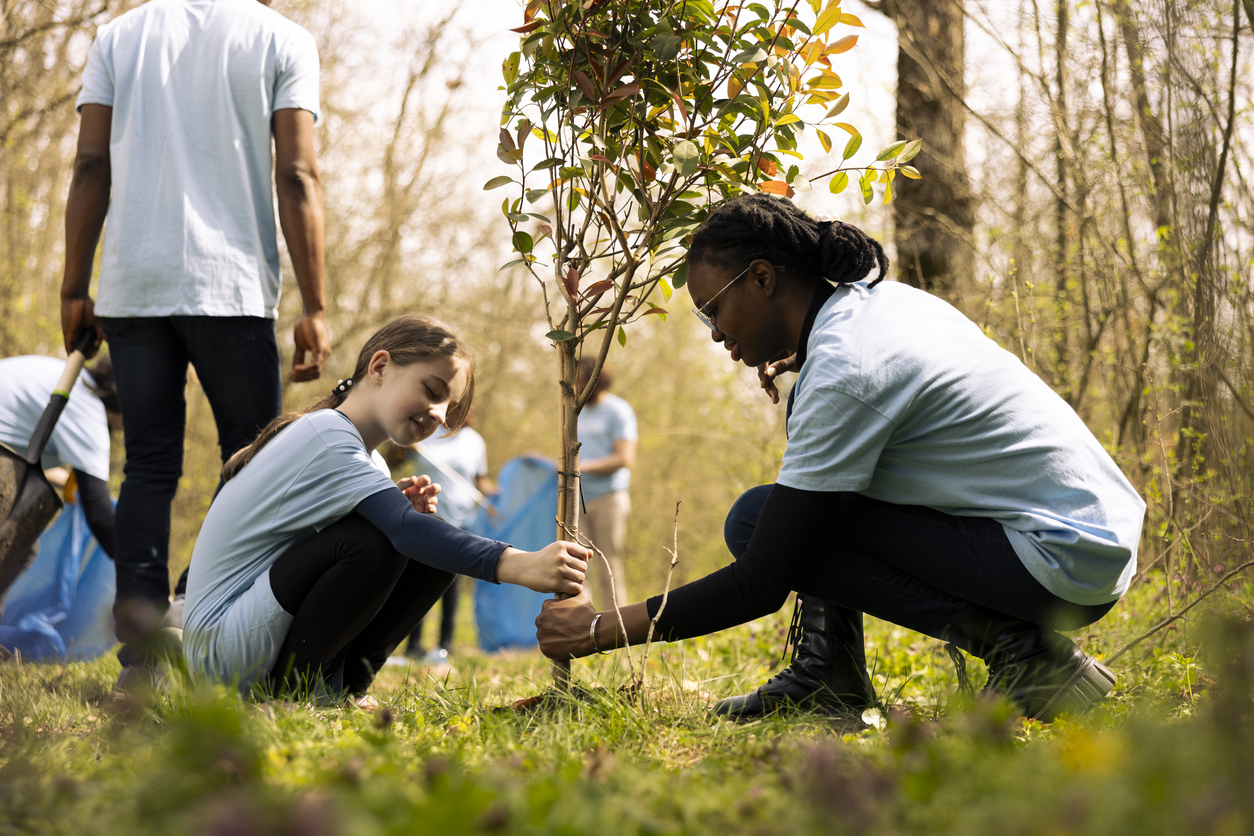




At exactly 8am the courtyard fills with energy, 151 students crowding into chattering clusters, backpacks bumping, snacks being delivered, voices overlapping in a deafening hum.
I thread through the chaos, calling out groups as they funnel towards the buses bound for children’s centres, soup kitchens, animal shelters, parks and homes for the elderly. It is equal parts exhilarating and nerve-racking.
This is my field trip, my plan, my baby. As I watch students spill on to their buses, my eyes water and I hold back tears, the weight of months of preparation pressing on me: the hope that today would give them something no ordinary school day could.
A way to discover purpose and belonging
Service Day is an initiative I began three years ago, born from my passion for serving others. Working in private international schools, where many students are privileged in ways they don’t recognise, made me determined to gently show them a world outside their own.
For some, Service Day is simply a break from the classroom; for others, it becomes a standout line on a college résumé. But for a few it offers something more profound: it becomes a lifeline, a way to discover purpose and belonging.
For example, one student who had been struggling with loneliness, self-harm and identity questions, found unexpected comfort in helping others. The experience grounded her and she kept volunteering long after the day had ended, slowly building confidence and resilience. Stories like hers remind me that Service Day isn’t just about university admissions – it’s about creating pathways to meaning for teens navigating real emotional challenges.
Getting the ‘yes’ on big ideas
Service Day is a huge undertaking and requires administrative buy-in as well as teacher and staff support. Building relationships with senior leadership is key to getting the “yes” on big ideas. I presented data on the psychological impact of service, and on its impact on student university-applications outcomes. And I tied it to our school’s mission statement of “Empowering compassionate agents for a better future”.
Before my meeting with the head of school, a colleague and I had identified the organisations we wanted to work with. We conducted site visits and risk assessments for all eight locations. We presented this data and reasoning as a way to discourage arguments that parents would not support the initiative.
I surveyed students and parents about their interest in this type of event, and tried to think of a rebuttal to every question and concern I might face.
Because this trip was mandatory, I also asked the school to pay for the transportation. My goal was to get 100 per cent participation and limit any hesitation a student might have about going. At minimum, they just had to show up and get on the bus.
The logistics came later, and were challenging in their own way. I relied heavily on Portuguese-speaking colleagues to help me price out and reserve transportation. I leaned on our advisory teachers, who have deep connections with students, to have discussions about the event, to set expectations, to encourage participation and most importantly to reflect on the experience afterwards. I begged for teacher volunteers to help chaperone and to set examples of compassion for our students.
It wasn’t perfect, but four years later, I am planning the fifth biannual Service Day trip. And many students have already stopped in to check when we are going.
A lasting impact
Since the first service trip, Service Day has now grown and improved to be more impactful to students and our NGO partners. With time and experience, the value of this event was evident to all stakeholders on campus.
We now dedicate six advisory lessons to planning for and organising the trip. Our NGO partners are frequent visitors to our campus, sharing updates and challenges with the students assigned to their cause.
On the day of service, students go to their assignments not just to serve for the day, but having fundraised, painted, cleaned, organised, communicated and much more throughout the entire semester. This creates a lasting impact for themselves, their groups, their NGO partners and our school.