Is a university degree still necessary in the digital era?In a world of tech start-ups and digital influencers, is a university degree still necessary for career success? Here’s how to broach the subject with your students
Why a counsellor’s work begins when the university fair endsAs international education grows increasingly competitive, the university fair has become a place where competing priorities meet. The counsellor’s role is to help students make sense of these
Counselling activity: creating a personal vision boardThis creative art exercise allows students to express ideas and emotions that may be difficult to communicate in traditional counselling conversations
Counselling activity: Life Chapters MappingYoung people are trying to understand who they are and where they belong – and storytelling can help them make sense of their experiences
Counselling activity: thinking ahead to university applicationsThis two-part activity – with worksheets – helps students to start thinking practically about university applications and interviews
‘What course? What university? What country?’This structured research framework helps students pinpoint what’s important to them – and thus make successful choices
Why the foundation year needs a rethinkIn international schools foundation courses are often misunderstood – yet they can play a critical role in preparing students for the realities of university study
Why writing academic articles can help school students choose their degreeA degree can lay the foundation for a student’s professional life. Writing an academic article in their preferred field will help them choose wisely
Counselling activity: using career journals Asking students to fill in career journals can help them to focus their interests and understand what they want from their future careers
Supporting the transition from grade 10 to grade 11Speaking to grade 10 students about university helps them start thinking about their own strengths and motivations
Developing an oracy framework at schoolOracy is a skill that is valued during the university interview process, but is often overlooked during application prep sessions. Here are some ways to encourage oracy skills in students
How to help students find out who they want to beWhen students have limited access to work experience or job shadowing, psychometric tests can help them work out what paths they want to pursue
How can students build the skills they need for university? By applying to universityBy framing university applications as a chance to grow, counsellors can transform the application process from a transactional task into a meaningful learning experience
Counselling resource: the (other) 80:20 ruleThe 80:20 rule encourages students to speak for roughly 80 per cent of the session, leaving only 20 per cent for counsellor input
Counselling activity: how helping others can help students, tooA day of service can provide a sense of meaning and belonging, a standout line in a college application – and a way to puncture the private-school bubble of privilege
Counselling activity: Guess What MajorOften, students are only familiar with a handful of well-known university courses, such as engineering or business. This activity introduces them to lesser-known areas of study
NSLC: How building relationships helps us choose the right students for usNational Student Leadership Conference wants to ensure that only students who will gain the most from their career-based leadership programmes take up the places on offer
Counselling activity: how collaboration expands students’ horizonsHorizons Club brings together students who want to study internationally – and encourages them to pool their strengths and help one another through the application process
What’s the best way to learn about a university? Website, YouTube video or student campus visit – which is the most effective way to learn about a university?
Counselling activity: writing a letter to your future selfAsking students to write a letter to their future self can help them to identify their challenges and how they can overcome them
Counselling activity: using cinema therapy to help studentsUsing cinema therapy can be a unique and interesting way of helping students map out their university applications and future aspirations
What does ‘the best university’ mean, anyway?Students and parents often talk about the ‘best’ or the ‘top’ universities – but what they actually mean by that can vary significantly
Counselling activity: how to use Lego to write a Common App essayStudents often freeze when tasked with writing their college application essays – but playing creatively with Lego can help them realise the stories they have to tell
How to use Restorative Practice as a school counsellorRestorative Practice is a technique that counsellors can use to help shift the focus on building relationships and understanding responsibility rather than simply solving a problem
How to prepare students for departure to universityCounsellors play a crucial role in helping students make the transition from school to university and ensuring that they have a successful start to their new life
Counselling activity: the Identity ProjectStudents can often feel reduced to their grades or university outcomes. This activity reminds them – and us – that their academic journey is also about identity and self-discovery
Creative counselling on a budgetUsing existing resources can be a cost-effective way to provide students with creative counselling sessions
How Maslow’s hierarchy of needs can help students choose the right universityA best-fit university is one that meets a student’s needs and preferences. As counsellors, our job is to help students see how different universities can meet their essential needs
Spring Forward Week: a whole-school commitment to college readinessSpring Forward Week is an initiative created to prepare students for upcoming university applications and help them to think strategically about their university journey
‘I just like the vibe’: hard facts versus gut feeling when choosing a universityYou’ve gone through a detailed analysis of curriculum, outcomes, cost of living – and then your student chooses the university with the cute mascot. Is that necessarily a bad thing?
Counselling activity: admissions officer for a dayThis activity, in which students have to decide which of six applicants they should offer a university place, helps them think about their own applications and the concept of best fit
Counsellor resource: transitioning to university lifeDedicated sessions for students to understand how to support themselves as they transition to university life were well received, counsellors in Dubai found
Can classical archetypes help students find the right career path?The archetypes of ancient Greece – and Jungian psychology – offer timeless wisdom that can help our students make the right university choices. Includes a multiple-choice quiz
How to use cognitive science to support your counsellingKnowing the theories behind how people think can help identify the why and how of best practice – especially when your job involves working with people
How to ensure a successful one-to-one meeting with studentsThe one-to-one meeting is where the main substance of university counselling takes place – where they are advised and guided, based on your knowledge of them as individuals
Using the SWOT matrix to strategise the college application processThe SWOT matrix has traditionally been used to plan projects in a business context. But there’s no reason why students can’t use it to organise their college applications. Here’s how counsellors can support this
Climbing a mountain or completing a jigsaw: why metaphor is a valuable counselling toolFor younger students, stories and metaphors are often easier to understand than abstract concepts and unfamiliar ideas
How card games can help students make choicesEducational card games can help students make decisions about future university choices and careers
How to advise cross-cultural studentsCross-cultural kids, who move between multiple education systems and cultural expectations, often have multilayered identities – and complex university and career goals
The games people play (when counselling students)Many students don’t know what they want to study, or where. So, how to start the process of helping them to focus on possible pathways?
‘Walk with me’: why we should counsel students on the moveWalking around the school and having casual conversations with students allows for a more natural and open counselling relationship
Why volunteering is good for counsellors – and their studentsCounsellors can play a transformative role in people's lives – so why not use your skills to contribute positively to the world as a volunteer?
Why middle school students should receive university counsellingOffering university and career counselling to middle school students can provide them with motivation, direction – and a head start for competitive courses
Counselling activity: ‘Guess Where?’ – a study abroad gameRemember the classic game, ‘Guess Who?’ This counselling version allows students to consider what’s most important to them when choosing a university destination
Why financial best fit is as important as academic best fitWe can use the language of academic best fit to help students find their reach, target and safety choices from a financial perspective
How to manage IB predicted gradesEveryone in school – students, subject teachers, school leaders and parents – has something to say about IB predicted grades. Managing these competing viewpoints can feel like walking a tightrope
How to organise a university campus visit for the first timeYein Oh recently took students on a university campus visit for the first time. Here are her tips for other counsellors organising their first field trip
How university partnerships can offer hands-on experience for studentsBy partnering with universities, counsellors can give students a taste of academic life – and can bridge the gap between theoretical learning and practical application
How to set up a structured alumni programmeAs counsellors, we want students to realise their academic and career ambitions – and a formal alumni programme can help them see how this is done
Counsellor resource: developing an elective module for university prepA school in Brazil has created an elective module for students to prepare them to apply to universities abroad and settle into life in a new country
Why we should rethink the term ‘safety schools’Students typically categorise their university choices into ‘reach’, ‘match’ and ‘safety‘ – but is it time we replace the term ‘safety school’ with something else?
Counselling activity: University preparation weekA university preparation week for Year 12 students can cover everything from managing money and cooking bolognese sauce to considering best fit
Counselling activity: the hero’s journeyThis counselling activity helps students to identify patterns and themes in their life, and to gain insight into their strengths, passions and values
Why understanding a student’s context mattersOur students all grow up in different environments – and are formed by those environments. Awareness of these wider contexts should inform our counselling
Debunking the Gen Z myth: a guide for school counsellorsGen Z students are often misunderstood, but a new report from Duolingo reveals their true attitudes to social media and global issues
How to help SEND students with university applicationsFor students with special educational needs and disabilities, the university application process presents unique challenges – and counsellors play a vital role
Counselling activity: how to run counselling sessions as mock interviewsMock interviews are a useful way to prepare for forthcoming university interviews – but they can also help assess a student’s fit for a particular field
Why counsellors should prepare students for life after high schoolCounsellors help students with academic planning, essay writing and choice of university – but their job doesn’t end when students hit ‘submit’ on university applications
How to help students plan a meaningful gap yearMeaningful, structured gap years are periods of time designated for exploration and personal growth – and can help prepare students for university
Counselling activity: best fit is a two-way streetThis interactive group activity encourages students to think about what they want from their university experience – and what a university might want from them
Counsellor resource: how guided journalling can focus students’ thoughtsGuided journalling can encourage students to think about what matters to them about going to university – and how they can set about achieving it
‘I started a new job mid-year, and had to write recommendations for students I hadn’t met’Starting at a new school mid-year can be challenging – especially when faced with tasks that require in-depth understanding of students you haven’t met yet
How to create a future pathways programmeAs counsellors are increasingly referring to themselves are future pathways coordinators, Ruth McAteer shares how to set up a future pathways programme at your school
Counsellor resource: using Universal Design to make learning accessible to allCounsellors can use the principles of Universal Design to ensure that their lessons and presentations are accessible to all students
‘Why I always tell my students that I didn’t intend to become a counsellor’Rachel Doell is an accidental counsellor: she actually wanted to become a doctor. But careers are not always linear – it can take time to find the right job
How climbing a mountain can help students apply to universityTaking students on a challenging outdoor adventure is not just a physical journey, but also a metaphorical journey towards their future goals
Exploring the art of counselling and mentoringCounsellors are uniquely positioned to help students fulfil their potential by identifying mentorship opportunities or serving as mentors themselves
Counsellor resource: how to be a mapmaker when there is no mapThese three steps can be adapted to help counsellors in any advising scenario
Supporting HALI students in TogoA programme in Togo provides high-achieving, low-income students with the resources and guidance to continue their education
Counsellor resource: Empowering the community for a cohesive goalSchool counsellors can connect with the school and local community to ensure that all students reach their goal
Counsellor resource: How to help students identify their ‘why’Too often, students are asked ‘what do you want to be when you grow up?’, but perhaps that isn’t the right question. Instead, asking them to identify what issues they believe in and what brings them joy might help them to identify their career paths
Are personality tests a helpful tool for counsellors?As counsellors, one of our responsibilities is to get to know our students. Could these personality tests help?
College counselling: the Netflix seriesHigh school counselling can be like the unfolding plot of a Netflix series. So what are the central themes of each season?
Counselling resource: “Finding Fit” class activitySamantha Caras uses her “Finding Fit” activity to help students better understand the concept of best fit – and she learns something new every time, too
A guide to essential statistics for counsellorsThe university application process is filled with data. In order to provide informed guidance, counsellors need a basic understanding of statistics
Is a university degree necessary for future success?Students assume that apprenticeships and degree apprenticeships are for the less academically able – but they provide exactly the skills that employers are looking for
Why it’s OK for students not to know what they want to doGeneralists tend to explore widely, take on failure and gain confidence in who they are – all traits we should be encouraging in our students
Help your students follow their passion – and find their ikigaiThe Japanese concept of ikigai refers to something that gives a person value, joy and a sense of purpose in life. How can we help our students find theirs?
How to plan student visits to university campusesWith nearly 30,000 universities around the world, it can be difficult for students to know which ones to apply to – which is why visiting some of them can be helpful
Big city? Beach town? How to help students find the right universityJust as wearing a poorly fitting pair of shoes is an uncomfortable experience, so students will find it uncomfortable attending a university that isn’t the best fit for them
How the psychology of decision making can help students choose universitiesChoosing which universities to apply to is one of the biggest decisions of our students’ lives. How can we use psychological research to help them with it?
Six tips for implementing a social-emotional learning approachOne of the best ways to be an effective counsellor is to implement a social-emotional learning approach. But how do you do this?
What is the purpose of higher education?Counsellors, students and parents can have very different ideas about what higher education should achieve. Can those ideas be reconciled?
How can you help students find their best-fit university?The vast array of university options can leave students afraid of making the wrong decision. How do you bring order to the chaos?
Why are university visits necessary?University visits involve welcoming representatives from colleges and universities to your high school to speak to students. But what do they actually achieve?
How to help third-culture kids set down rootsStudents whose passport country is different from their country of residence often have unique needs and considerations. How can you best support them?
How to futureproof your students’ choicesIncreasing students’ awareness of the skills they will need for their future careers helps to prepare them better for success at university, says Alan Perkins
Why your students should consider the road less travelledMost students follow a well-trodden path – but there are alternative routes that may be better suited to helping them achieve their goals. Arjumand Rafiq considers the benefits of veering off the beaten track
How to incorporate sustainability into your counselling conversationsClimate change will have an impact on the skills required in the future and will lead to the creation of new careers. It’s time green guidance became part of the counsellor’s job, says Khushboo Bedi
What psychometric tests can – and cannot – tell studentsParents and students often expect psychometric tests to give concrete answers about career pathways. However, these tests should be used as tools to determine a student’s personality and interests alongside their grades and extracurriculars
Counselling activity: the future-self interviewBy interviewing their future self as though they were a real person, students can discover career-relevant values and motivations that more conventional methods rarely reveal
Counselling activity: the Career Storyboard exerciseMany students struggle to connect subject or career choice with their personal strengths. The Career Storyboard exercise helps them bridge this gap
How career theory can help us counsel cross-cultural kidsMany career theories assume stability and a single cultural frame – but three overlooked theories are far more relevant to the lives of internationally mobile students
Counselling activity: the Future LinkedIn Screenshot ExerciseThis activity encourages students to imagine their professional identity 10 years from now – and works backwards from there
What is labour-market information – and why do counsellors need to know about it?Labour-market information is a term encompassing information about all aspects of the labour market – and it can help us to become more informed counsellors
'When our graduates apply for jobs, employers take notice'At emlyon business school, the Global BBA and BSc in Data Science for Responsible Business offer students the chance to put skills and knowledge to use the instant they are acquired
Incorporating the SDGs into conversations about careersIncorporating the SDGs into conversations about future careers can help students think not just about what they want to do in the future but how that might impact their community
Supporting early intervention and awareness to create career road mapsSupporting students to start thinking about their career journeys early can help them to become resilient and flexible in an ever-changing world
How to plan a coincidence – and the importance of being squigglyStudents must plan to generate chance opportunities – and be receptive to them. The prize is a career full of interesting twists and turns
Introducing the Chaos Theory of Careers and how it can help studentsMost of us did not intend to become university counsellors – and yet when we discuss careers with our students, we often suggest a linearity that no longer applies
Could your students run your school career fair?When a group of students suggested organising a career fair, the school took them up on their offer – and the student-led career fair was born
How to organise a careers fair from scratchCounsellors can direct students to careers resources but cannot offer insights from lived experience of different careers. That’s where a careers fair comes in
How to set up a work-experience programmeWork experience provides students with practical experience, bridging the gap between academic learning and real-world application
Counselling activity: “Me in 10 Years’ Time”This counselling activity asks students to close their eyes and imagine themselves in a decade’s time – what do they want their working lives to look like?
How to create a values-based careers dayRather than championing conventional career success, a pathways and possibilities day invites stories of personal struggle, squiggly careers and significant pivots
How to plan a careers fair: a step-by-step guideCareers fairs are a useful way to educate students and to involve parents and local community members in school life – but they take a lot of careful planning
Counsellor resource: a journey of self-discoveryIntegrating online career exploration platforms into regular counselling sessions and one-to-one meetings can help students find their career path
Money makes the world go around – but it won’t motivate your studentsBeing a counsellor is not just about the short-term goal of getting students into university – it’s also about helping them to find satisfaction in their future careers
Key career theories – and how counsellors can use themCareer-development and guidance theories underpin much of the work that counsellors do – but they can have limitations as well
Four ways to incorporate university careers services into your counselling toolkitCounsellors can look to university careers services when helping students choose universities and, ultimately, understand what their return on investment might be
Counselling activity: remember to duckWhat can origami paper ducks teach students about future career options? Rather a lot, it turns out
Counselling activity: Career Exploration DayCareer Exploration Day is a classroom activity designed to help students fuse multiple academic subjects into different professions
Four steps to creating a community-based work-shadowing programmePreparing students for the professional world is crucial – and where better to start than with your school’s community network?
Why students don’t have to choose between art and scienceStudents who love art but want a more practical degree often feel torn in two – but new courses are springing up that allow them to combine creative thinking with a more vocational discipline
How a law degree can lead to a career outside the lawA law degree can lead to a career as a lawyer – but it can also open the door to a wide range of careers across diverse industries
The shipping forecast: careers in the maritime industryThe maritime industry supports millions of jobs worldwide, ranging from engineers, ocean scientists and offshore energy specialists to policymakers and lawyers
Living the dream: how to counsel performing-arts studentsA career in the performings arts is full of rejection, failure, adaptation and reinvention. But so are many more conventional careers, too
Does the devil wear Prada? Counselling aspiring fashion studentsPop culture has glamorised fashion – but the industry is as much about business, marketing and psychology as about photo shoots and haute couture
Are you being served? A guide to hospitality degreesSome students assume hospitality involves glamorous foreign travel. Others think it’s an option for low achievers. As counsellors, we need to help them separate fact from fiction
How to guide Year 11 students through their subject choicesWhether students are choosing A levels, DP subjects in the IB programme or APs, the decision they make will shape their next two years – and affect their university options
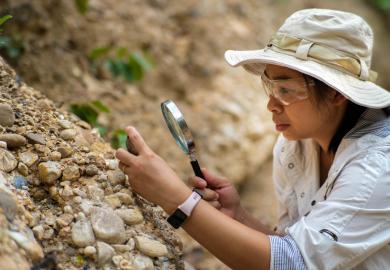
Rock solid career choice: what your students need to know about studying geologyGeology encompasses a variety of degree courses and career options. Find out more here
Early birds: how to support younger students with an interest in medicineStudents as young as Year 9 can already show an interest in studying medicine – which gives them plenty of time to build up relevant skills and experience
‘I’ll have a bit of both, please’: when students can’t choose between subjectsChoosing a degree course is like ordering from a menu: some students will know exactly what they want; others would prefer an all-you-can-eat buffet
‘I want to be a doctor, but I don’t have the grades’: how to advise studentsYour student’s heart is set on a career as a doctor but their grades don’t match their ambitions. All is not lost: there is a range of options for them to consider
How the liberal arts can help with career readinessLooking to help your students find their competitive edge in a complex job market? Huron University’s Linea Dacosta addresses an important topic students and their parents should not overlook.
Applying to study occupational therapy in the UK: a comprehensive guideMany students won’t have heard of occupational therapy – but it’s a competitive course, so in-depth research and preparation is vital
Why psychology might not be the subject of students’ dreamsThere is often a need to unravel with students how studying psychology at university differs from doing a personality quiz on TikTok or watching Inside Out 2
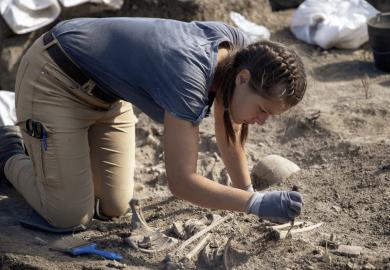
Archaeology, anthropology and Classics: what your students need to knowArchaeology, anthropology and Classics can lead to a range of careers – but inconsistency in naming courses can make it hard for students to work out which degree is which
Architecture: scrapping the seven-year mythYes, training to practise as an architect can take seven years – but plenty of jobs are available for graduates of a three- or four-year degree in architecture
Why counsellors need to take care of businessAs university counsellors, we often hear our students say they want to study ‘business’ – but what do they really mean by that?
Why are students so reluctant to consider engineering degrees?Students are often interested in the work that engineers do – but find the E-word offputting. How can counsellors change their mind?
Applying for art and design courses: what counsellors need to knowWorking with students on applications for art and design courses can be enjoyable and challenging – and a refreshing change from reviewing personal statements
What’s the value of a history degree? Debunking the myths and misconceptions Many students believe that a history degree will limit them to a teaching career on graduation. Rebecca Jennings from UCL states the many reasons why a history degree has good earning potential and teaches key skills that all employers are looking for
Applying to study law: what your students need to knowLaw is a highly transferable, sought-after degree – but applying to study law involves more than just watching back episodes of Suits