Studying in Poland: an introduction
How do you apply to study in Poland? Poland has a broad and diverse higher education sector, with institutions across major cities

Julia Christova





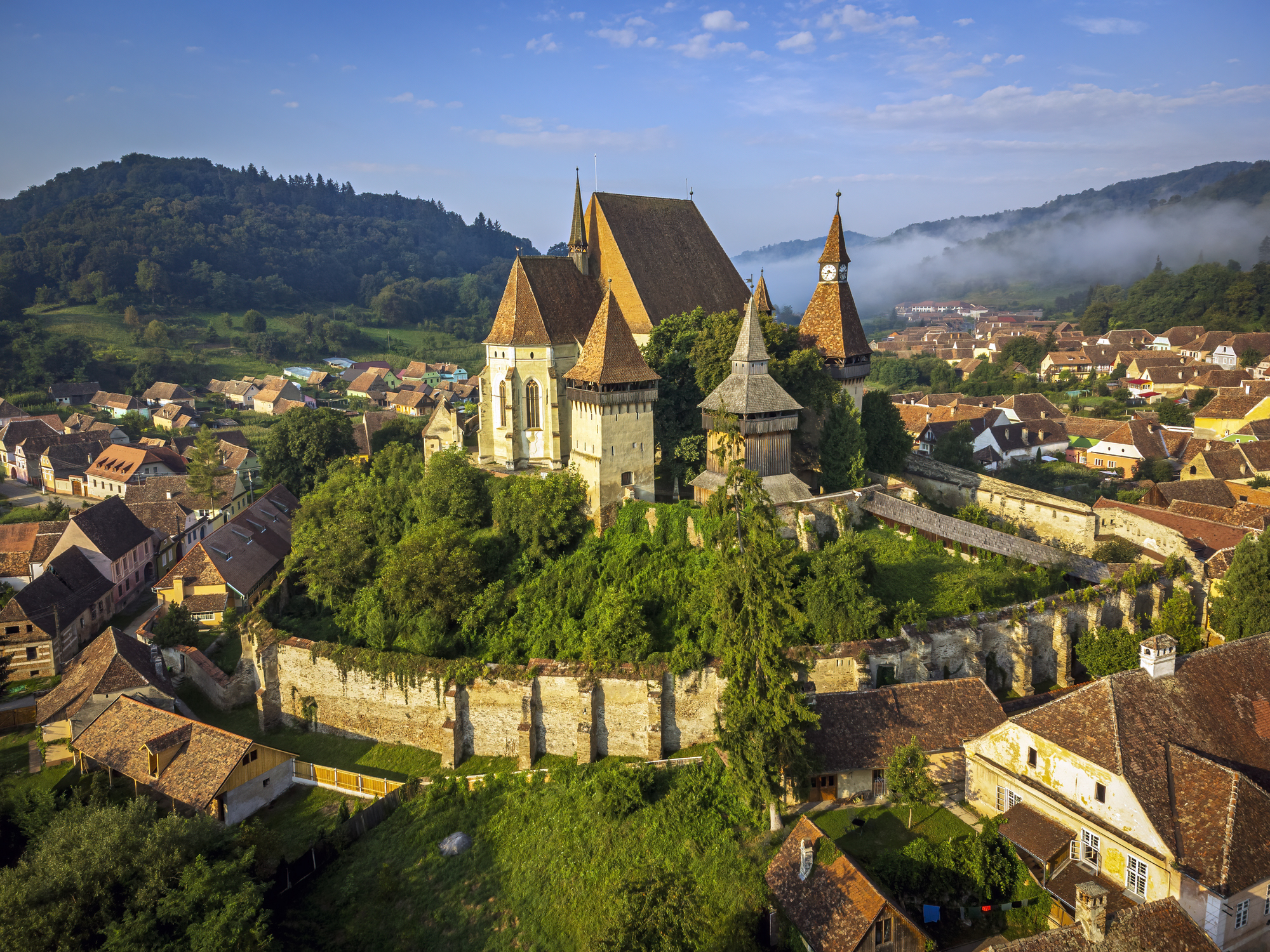
Poland has a broad and diverse higher education sector, with institutions across major cities such as Warsaw, Krakow, Wrocław, Poznań, Gdańsk and Łódź. These include world-renowned universities such as the University of Warsaw, Jagiellonian University in Krakow, the Warsaw University of Technology and the Wrocław University of Science and Technology (Wrocław Tech), as well as universities of economics in Poznań, Wrocław and Krakow.
Students can choose between comprehensive academic universities, technical universities, medical institutions, business and economics schools and specialist institutions focusing on areas such as the arts, agriculture and physical education.
Poland offers a growing number of English-taught programmes. Students applying to English-taught programmes may need to demonstrate English proficiency, depending on the university and their previous education. Polish-taught programmes may require Polish-language proficiency or preparation.
How to apply to study in Poland
Poland does not have a centralised undergraduate application system covering all universities. Each institution determines its own admission conditions, recruitment procedures and deadlines – and these can vary, even for similar programmes.
The official Polish government study portal, Study in Poland / Go Poland!, is a useful starting point for exploring programmes and learning about the higher education system. However, students should always use the official website of their chosen university as the final source of information.
Applications are usually submitted directly through the university’s online admissions portal, with many institutions using IRK – Internetowa Rejestracja Kandydatów (internet candidate registration).
Admissions criteria can vary considerably. Some universities assess particular subjects and grades, while others use additional examinations or selection procedures. Students should always check the current requirements of their chosen university and programme, rather than relying on general information.
Typical requirements include:
- secondary school diploma and academic transcript
- evidence that the qualification provides access to higher education
- proof of language proficiency
- passport or identity document
- photographs
- application or registration fee, where applicable
- portfolio, interview or entrance examination for selected programmes
- additional programme-specific documentation.
Application timeline
For an October intake, students should ideally begin their research 12 to 18 months before their anticipated enrolment date.
About nine to 12 months before starting, they should check admission and language requirements and create a shortlist of universities. Over the following months, they can prepare recognition documents, translations and language certificates.
Applications commonly open in spring, although deadlines vary significantly. After applying, students should regularly monitor their university portal and email, complete any additional assessments and, once admitted, organise accommodation, finances and immigration requirements.
Costs and funding
Students should consider the complete cost of studying abroad, including tuition fees, accommodation, food, transport, insurance and other living expenses. Tuition arrangements depend on the university, the programme and a student’s status.
For European Union students, full-time study in Polish at public universities can generally be tuition-free under the applicable conditions, while English-taught programmes are usually fee-paying.
Bachelor’s programmes can cost about €3,000 to €4,000 a year, although fees vary significantly, and specialised programmes such as medicine can be considerably more expensive.
The counsellor’s role
My advice to counsellors would be to create a student application tracker covering the university and programme, degree structure, admission and subject requirements, documents, qualification recognition, language requirements, deadlines, tuition and living costs, scholarships, visa or residence requirements and application status.
The counsellor’s role is to make this journey manageable, student-centred and informed, while checking official university and Polish government guidance throughout the application cycle.