A guide to applying to university in France
Universities in France are affordable and can provide a high-quality education. Here are some tips for counsellors assisting students with applications to French universities

Camille Lebienvenu-Afaf




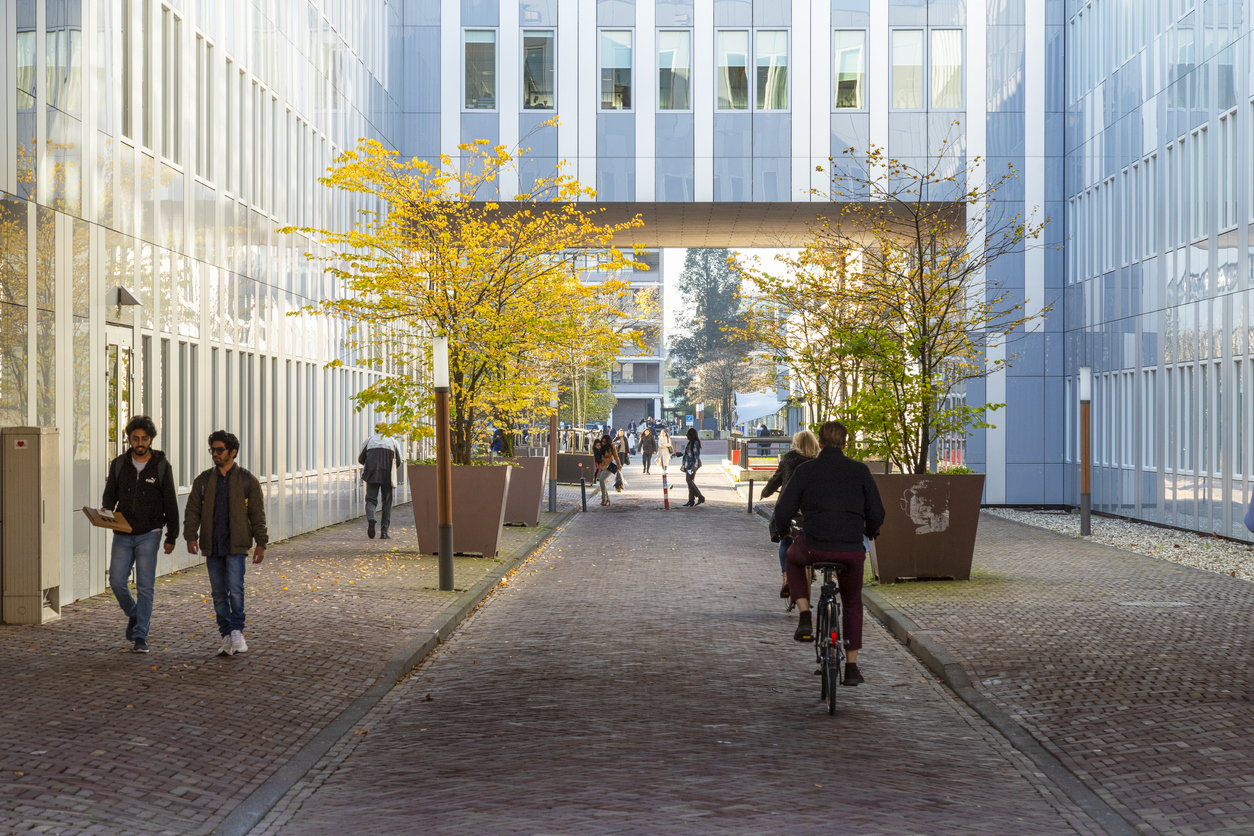


As the landscape of global higher education continues to diversify, France has emerged as a compelling option for students seeking high-quality, affordable and internationally recognised university experiences outside the traditional anglophone destinations. This guide is designed to support counsellors in advising students about studying in France, with tangible advice drawn from my experience.
French higher education appeals to students who are:
Independent learners: the system expects students to manage their own workload and adapt to lecture-heavy environments.
Multilingual or motivated to learn French: while English-taught programmes exist, everyday life and administrative tasks often require functional French.
Budget-conscious: public universities in France are heavily subsidised by the state, making tuition low even for international students.
Curious about global perspectives: France’s multicultural academic and social environment fosters intercultural competence and global citizenship.
How to apply for a visa and residence permit
For non-European students, the application process usually goes through Campus France, the national agency that manages international admissions:
Step 1: Create an account on the Études en France platform.
Step 2: Choose programmes (up to seven) and upload documents (transcripts, passport, motivation letters).
Step 3: Interview at local Campus France office (sometimes virtual).
Step 4: Await conditional admissions.
Step 5: Confirm enrolment and begin visa process. Some institutions (such as Sciences Po or private universities) accept direct applications and may use rolling admissions or their own portals.
Deadlines vary, but the Études en France portal typically opens in October and closes by January or March, depending on the school.
Costs and funding
Tuition at public universities is approximately €2,770 per year for a licence (bachelor’s programme) or €3,770 for master’s programmes. Many students benefit from government subsidies and lower tuition through bilateral agreements.
Living costs: ~€700 to €1,200/month depending on the city (Paris is highest).
Funding and scholarship opportunities
- Eiffel Excellence Scholarships (for master’s and PhD)
- Campus Bourses tool lists scholarships by level and country
- CROUS housing grants and meal subsidies for student life
- Encourage students to look for scholarships through their programme or embassy as well.
Students can apply for a long-stay student visa (VLS-TS) after receiving their admission letter. The student visa allows part-time work (up to 964 hours/year).
After arrival, students validate their visa online and eventually apply for a titre de séjour (residence permit) for stays over one year. Counsellors should prepare students for administrative formalities that can feel complex – connect them with school admissions teams or alumni to help manage expectations.
Institutions and programmes
Universités publiques (Public universities): offer broad academic options with low tuition (~€170 to €600/year).
Grandes Écoles: Selective institutions offering programmes in engineering, business and political science, often requiring post-bac preparation (CPGE).
Private and international universities: These include the American University of Paris Sciences Po campuses, EDHEC, ESCP or HEC Paris (for business students).
Language requirements
English-taught programmes may require IELTS/TOEFL scores.
French-taught programmes require proof of B2-level French (DELF/DALF or TCF). Regardless of programme language, learning basic conversational French is highly recommended. Many universities offer French language support courses to international students.
Practical tips for counsellors
Encourage students to join virtual campus tours or speak with current students via Campus France events or alumni networks.
Prepare students for the cultural shift – there is less academic hand-holding and more autonomy in studies. Support families in understanding the value of a degree from a French university even if the brand name isn’t globally famous.
Use tools such as “What Matters Most” and “FutureMe Framework” to guide conversations about best fit.
France’s higher education ecosystem offers a mix of academic excellence, affordability and international opportunities. As counsellors, we need to expand the narrative beyond anglophone destinations and empower students to consider bold, globally minded choices.